Main menu

Hushpitality | Why silence is becoming travel’s ultimate luxury

Hushpitality | Why silence is becoming travel’s ultimate luxury

Luxury hotels have spent decades giving us more.


More restaurants. More treatments. More pools. More experiences. More things that absolutely must be squeezed into the three days we are staying there.


But somewhere between the breakfast reservation, the 10.30 pilates class and the reminder that dinner starts in precisely 15 minutes, holidays started becoming surprisingly busy.


Now the pendulum is beginning to swing the other way.


There is a new travel buzzword for it: hushpitality.


The term has become one of the defining themes of Hilton’s 2026 Trends Report, describing a growing desire for travel that reduces noise, stimulation and demands on our attention.


And there is evidence behind it.


Hilton surveyed more than 14,000 travellers across seven countries and found that 56% said their number-one motivation for leisure travel in 2026 was to rest and recharge. Spending time in nature mattered to 37%, improving mental wellbeing to 36% and one in five specifically wanted more “me time”.


Perhaps that should not be surprising.


Our everyday lives are saturated with messages, calls, podcasts, traffic, screens and notifications. Genuine silence has become surprisingly difficult to find.


Which means it has acquired something luxury has always relied upon – scarcity.


Hushpitality is not really about retreating from the world entirely. Nor does it mean abandoning beautiful restaurants, brilliant spas or interesting experiences.


It is about hotels and destinations recognising that sometimes the most valuable thing they can offer is less.


Less noise. Less stimulation. Less pressure to maximise every minute.


Sometimes the luxury is simply having nowhere you need to be.

Amangiri - where space becomes the luxury

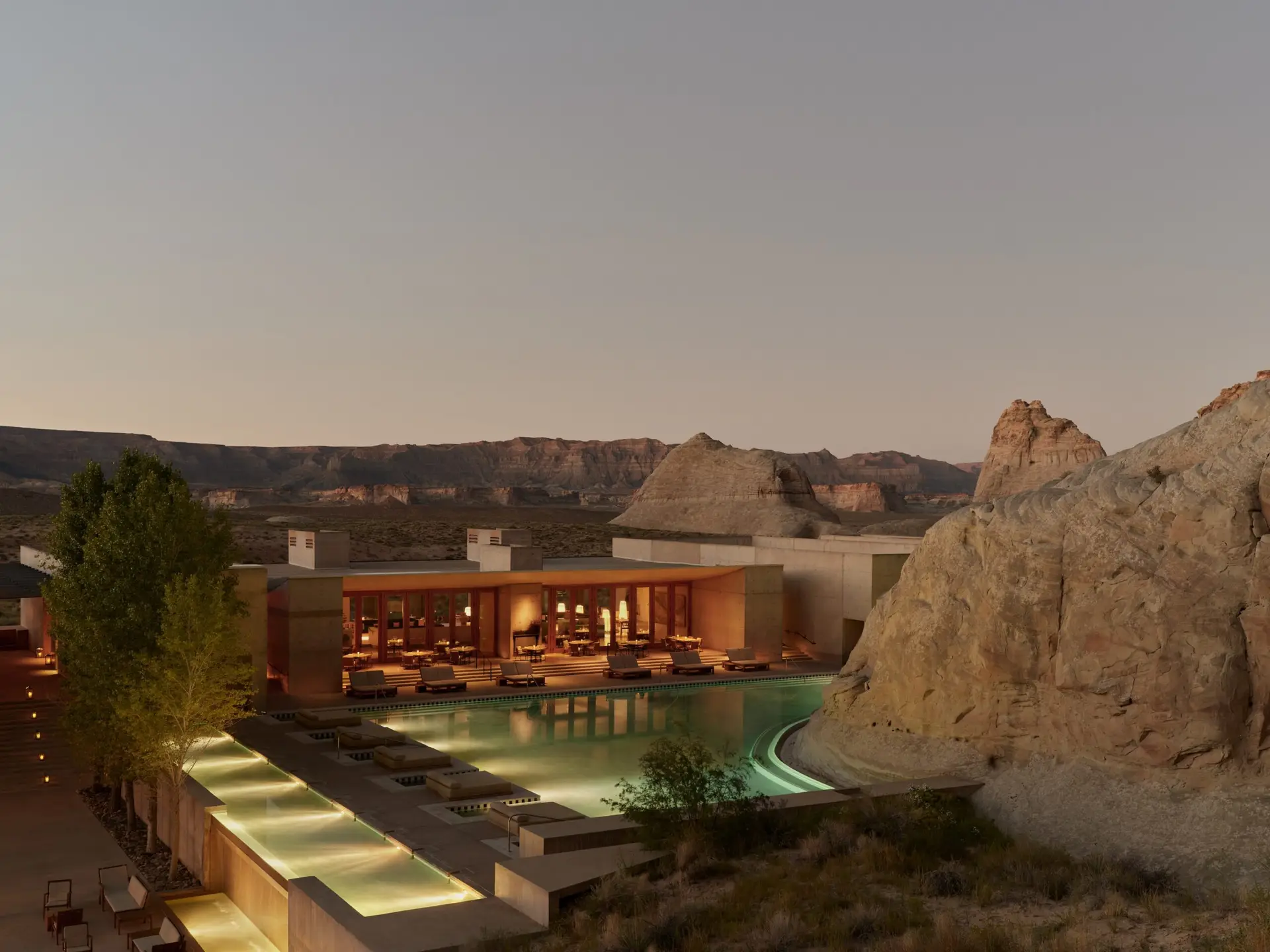
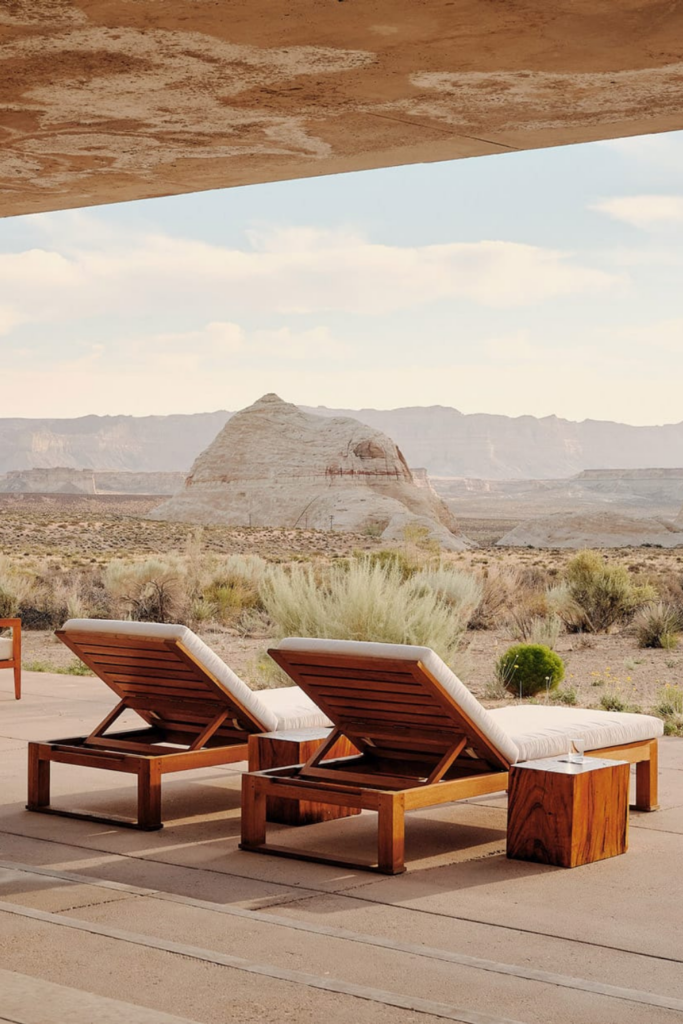
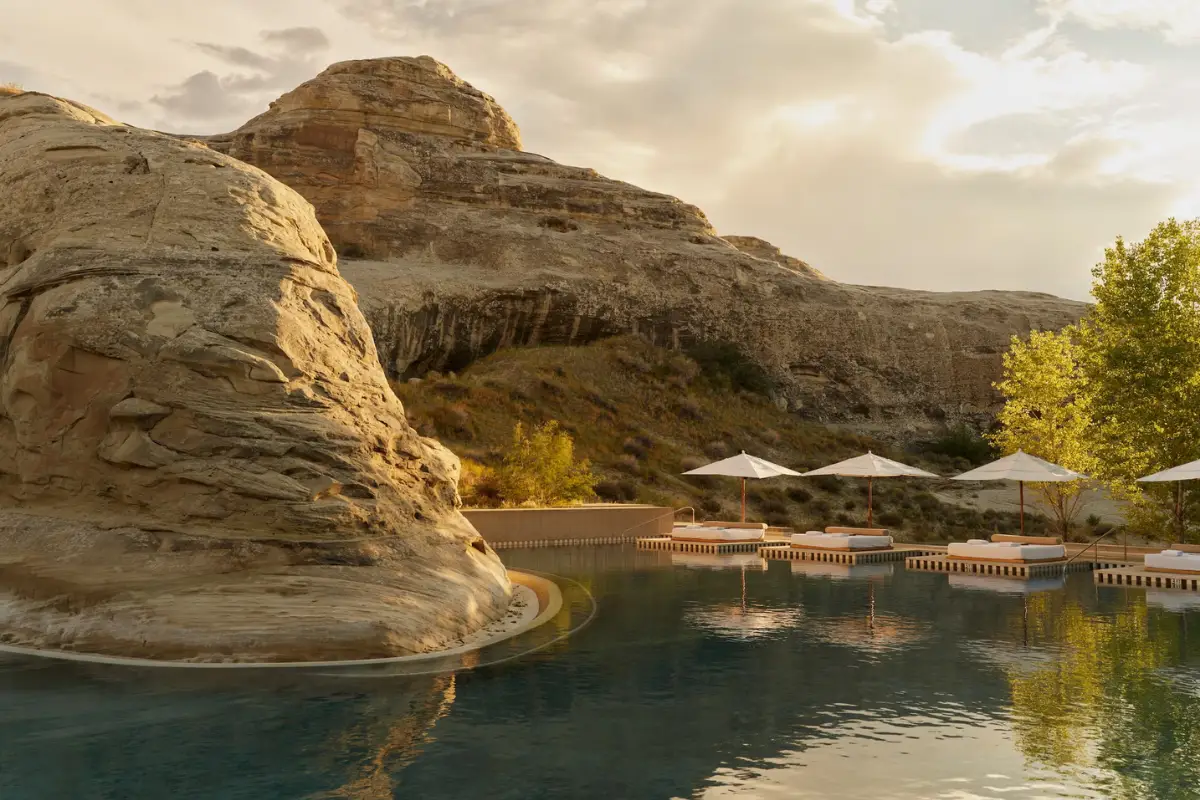
There are few places where the idea makes more immediate sense than Amangiri.


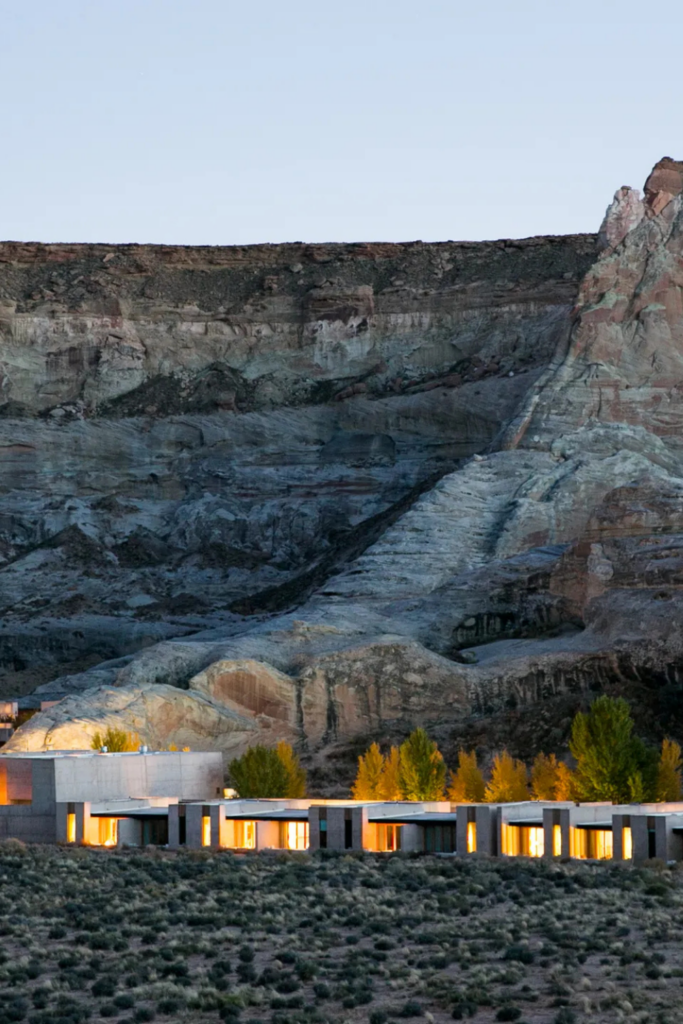
The Aman resort occupies more than 900 acres of the Colorado Plateau in southern Utah. Yet within that landscape sit just 34 suites.


That ratio tells you rather a lot.


The resort’s modernist architecture was deliberately designed to sit within the surrounding rock formations rather than compete with them. Beyond it, the desert stretches seemingly endlessly into dunes, plateaux and ridges.


Aman itself describes Amangiri as a place defined by the tranquillity of Canyon Country. Nearby Camp Sarika consists of just ten tented pavilions and is specifically positioned as somewhere guests can spend time off-grid.


Of course, there are things to do. This is still one of America’s great luxury resorts.


But that almost misses the point.


At Amangiri the landscape gives you permission not to do them.


You can walk. Swim. Look at the desert. Sit somewhere and realise you have not picked up your phone for an hour.


In 2026 that can feel remarkably indulgent.

Eremito - silence, literally

If Amangiri gives you the option of quiet, Eremito goes considerably further.


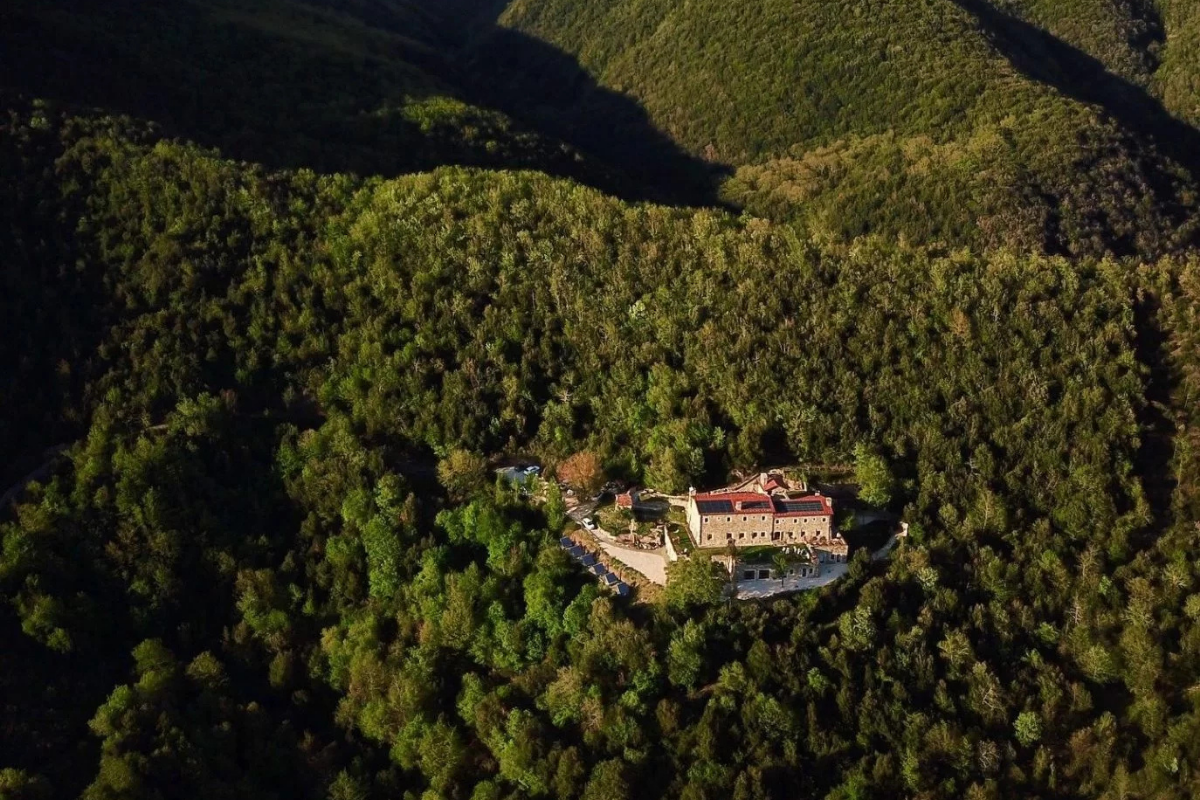
Deep in the Umbrian countryside, the former hermitage sits alone within the UNESCO Monte Peglia Biosphere Reserve, far from towns and busy roads.


There is no Wi-Fi. There is no television. There is no mobile signal inside.


And every evening guests gather at 7.30pm for a vegetarian dinner eaten in complete silence, accompanied by Gregorian chant.


It sounds severe until you begin to consider how unusual that actually is.


Guests can talk during the rest of the day, although anyone who wants to spend their entire stay in silence can wear a small badge signalling their preference to staff and other guests.


Eremito was doing this long before anyone thought to give the trend a name: its silent dinners date back to the hotel’s opening in 2013.


It is also particularly interesting for another reason.


Most of its 18 small “Celluzze” rooms are designed for single occupancy.


Because hushpitality is developing alongside another major shift in how people travel.

Fogo Island - letting nature fill the silence

On the north-east coast of Newfoundland sits another compelling example.


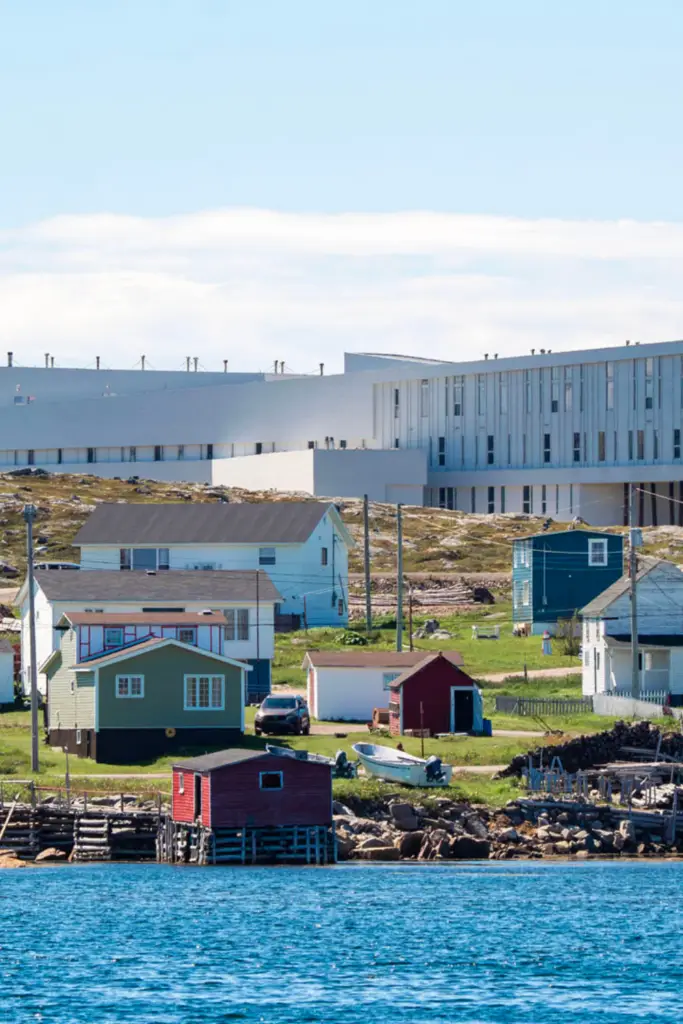
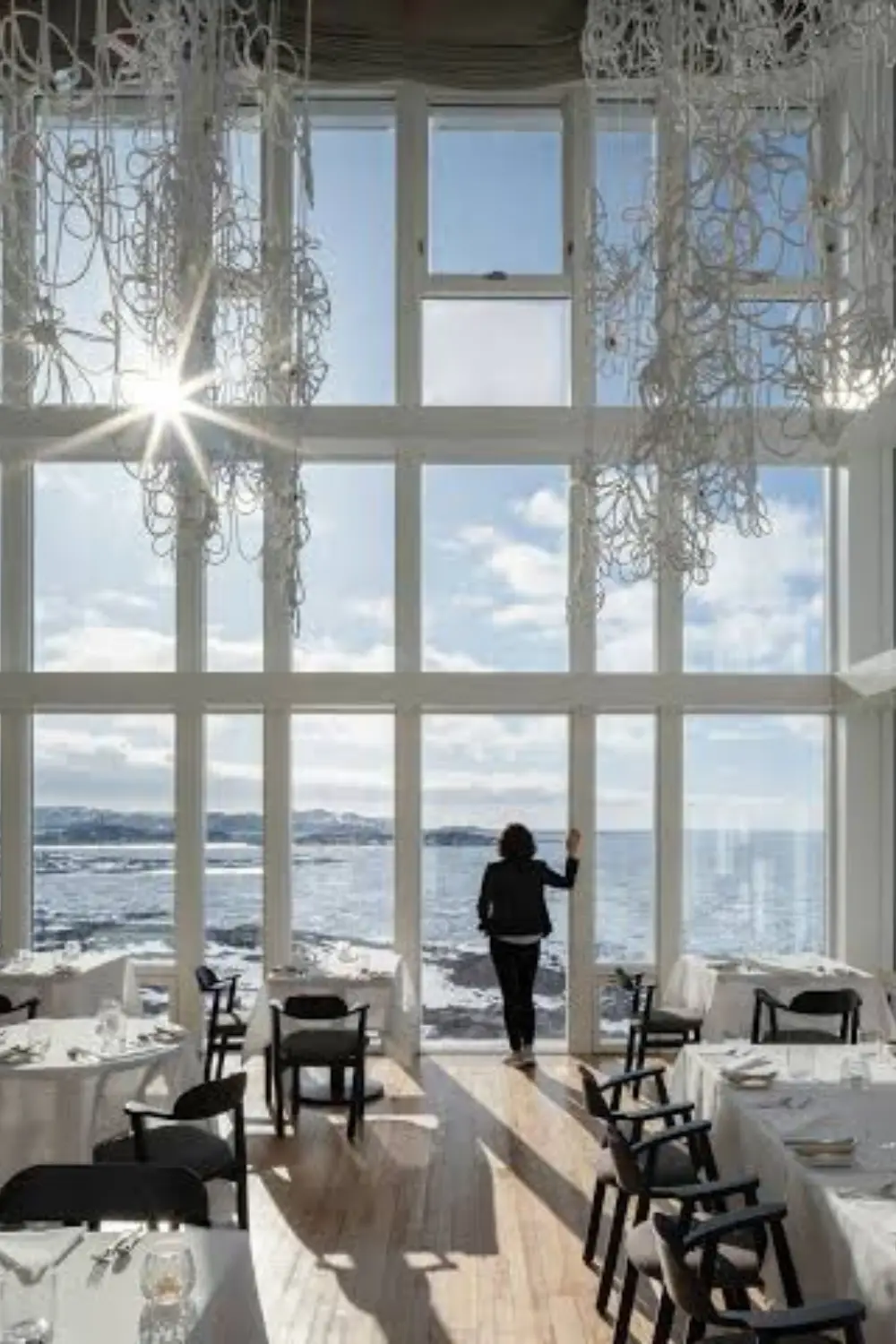
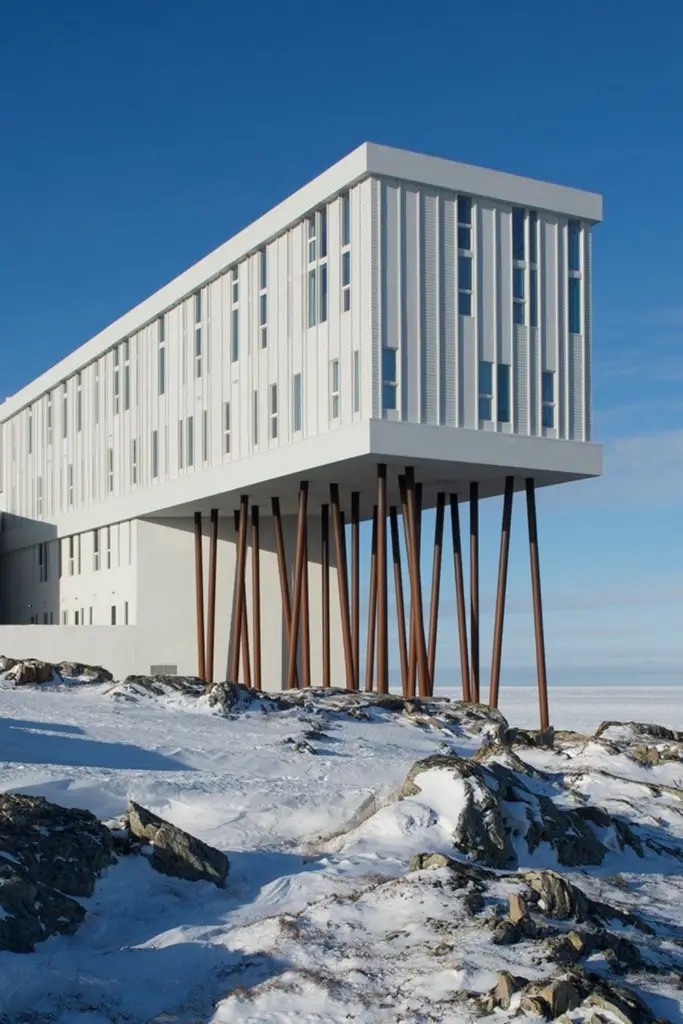
Fogo Island Inn rises dramatically from the rocks above the North Atlantic but its contemporary architecture was designed to remain deeply connected to the place around it.


The island is still dominated by rocky coastlines, bogs, coniferous forests and wild sea.


Rather than trying to compete with that setting, much of the experience deliberately directs guests back towards it.


The Inn describes walking its trails as an opportunity for reflection and quiet solitude. Guests can hike, paddle, cycle, swim or simply spend time watching the ocean.


It even produces a dedicated solo-travel itinerary centred on solitude, nature and quiet contemplation.


There is plenty happening here.


It simply does not demand your attention.


And perhaps that distinction is going to become increasingly important.

Soneva Jani - switching off without roughing it

Of course, seeking less stimulation does not necessarily mean seeking less luxury.


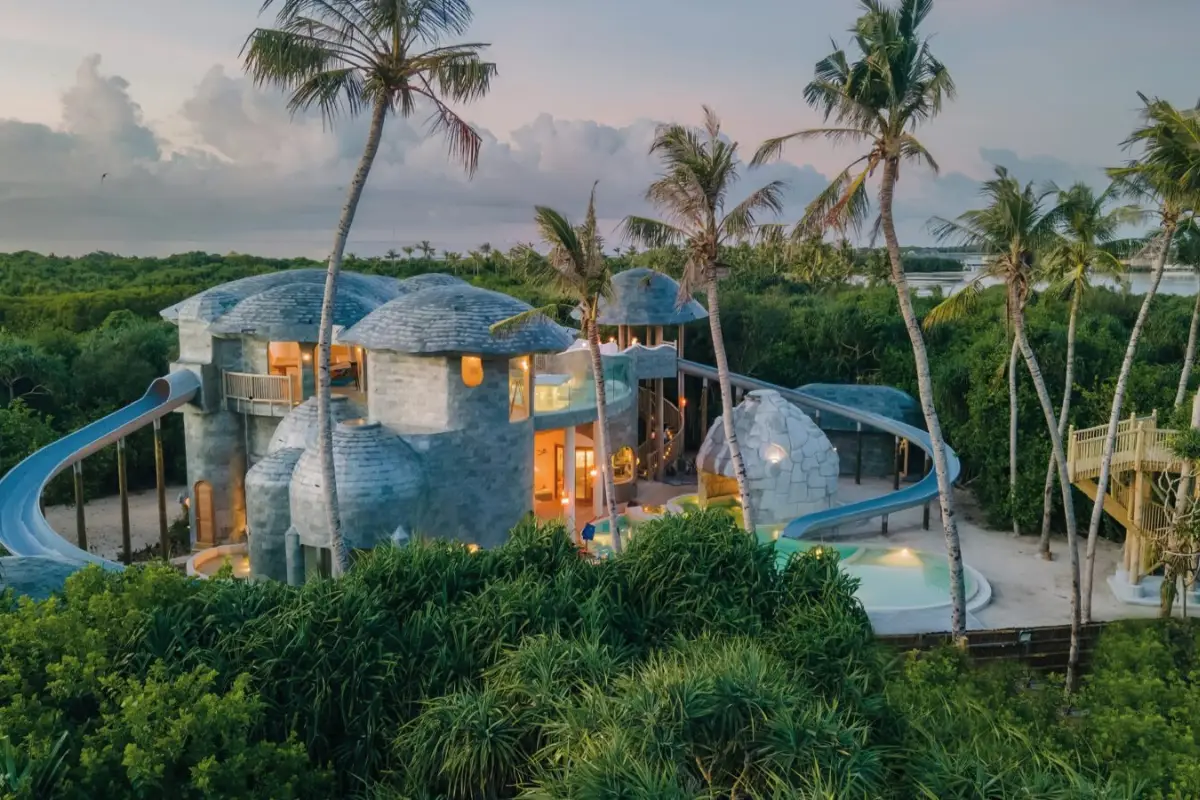
Soneva Jani makes a particularly persuasive case.


Its villas sit across the turquoise waters of the Maldives’ Noonu Atoll and Soneva’s long-standing “No News, No Shoes” philosophy feels almost designed for this particular moment.


Guests are explicitly encouraged to leave the heels at home, embrace the island’s relaxed pace and pick up a book instead. Many villas have their own bookshelves and Soneva operates its Barefoot Bookseller concept for guests looking for something new to read.


Importantly, this philosophy is not something Soneva invented because quiet travel suddenly became fashionable.


It has been fundamental to the brand for years.


Perhaps the rest of us are simply catching up.

Bhutan - when an entire destination thinks differently

Then there is Bhutan.


Including an entire country alongside four hotels might appear slightly odd until you consider how closely its approach to tourism aligns with the hushpitality idea.


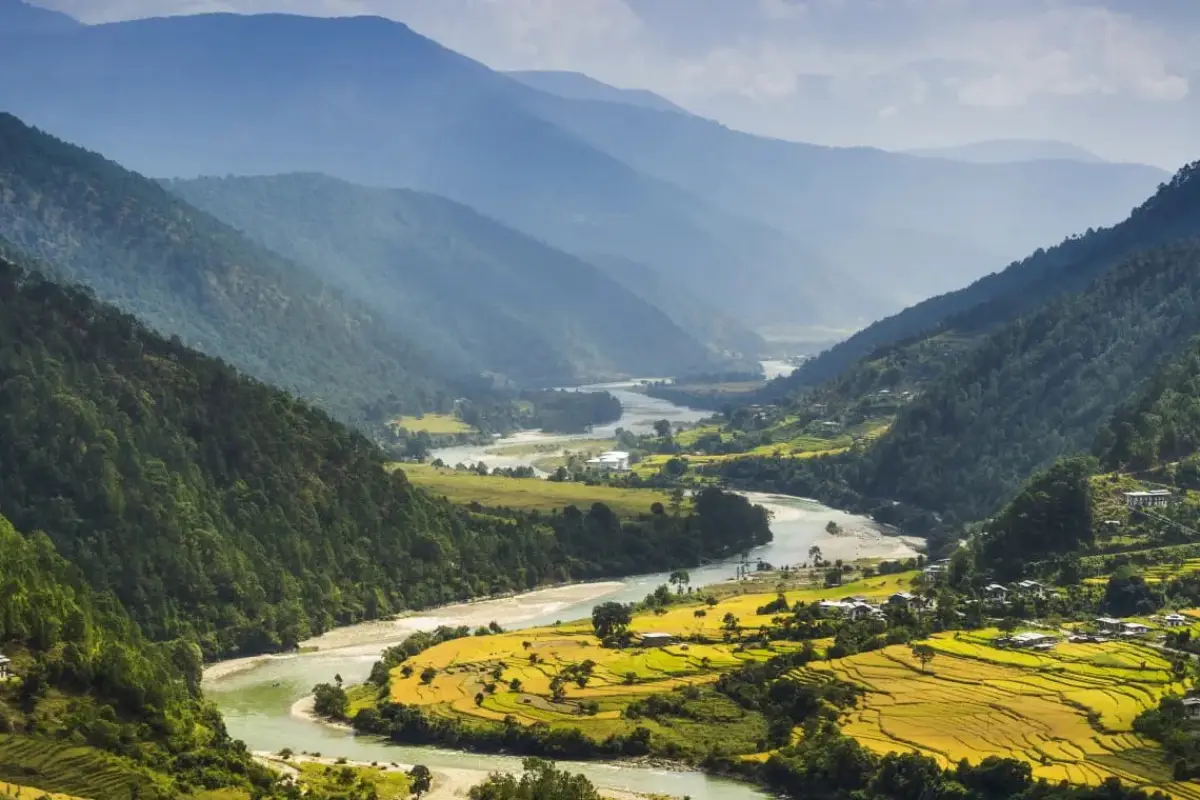
Bhutan continues to pursue a deliberately “high-value, low-volume” tourism model designed to protect its natural environment, cultural heritage and infrastructure.


Its tourism policy explicitly targets mindful and responsible visitors rather than pursuing visitor numbers at any cost.


That philosophy sits within Bhutan’s broader concept of Gross National Happiness.


Rather than measuring progress purely through economic output, its framework includes nine areas ranging from psychological wellbeing and time use to environmental protection and community vitality.


For a traveller, the result is a destination that almost forces you to change pace.


Monasteries, forested valleys, mountain walks and long journeys through the Himalayas are difficult to turn into a frantic city-break checklist.


And that is precisely the point.

Perhaps wellness doesn't need another treatment

Hushpitality also raises an interesting question for the wellness industry.


For years, luxury wellness has largely expanded through addition.


Another treatment. Another therapy. Another diagnostic test. Another three-day programme promising to optimise some previously unconsidered part of ourselves.


Some of those things can be brilliant.


But there is an irony in travelling somewhere to recover from an overstimulated life only to receive a printed itinerary containing six appointments before dinner.


The next evolution of wellness might therefore be remarkably simple.


Space.


Sleep.


Nature.


A book.


A meal without a phone sitting beside the plate.


Time in which nothing is expected of you.

Is silence the next luxury hotel amenity?

Probably.


Not because travellers suddenly want monasteries instead of martinis or empty hotels instead of brilliant restaurants.


Hushpitality is not really about rejecting everything we enjoy about luxury travel.
 

It is about recognising that silence has become scarce and therefore valuable.


The best hotels have always understood that luxury is partly about removing friction. Someone else carries the bag. Someone remembers how you take your coffee. Someone has already thought about the detail before you have to ask.


Perhaps the next version of that service is removing something else.


The noise.


Because amid increasingly connected, scheduled and stimulated lives, having nowhere you need to be might be one of the hardest things to find.


And perhaps one of the most valuable things a hotel can offer.

Inspired by the trend? Start planning your next escape

Ready to travel?

Speak to a Travel Seen specialist and let us help you find the right hotel, destination or experience for you. →


Ready to book?
Send us an enquiry and we will get you matched to the right experience. Call or Whatsapp us on 0333 305 9912.

More From Our Blogs

Hushpitality | Why silence is becoming travel’s ultimate luxury

Forget adding another treatment, restaurant or experience. Hushpitality is the growing luxury travel trend built around something increasingly difficult to find: genuine peace and quiet.

How padel became the new luxury travel status symbol

Padel courts are no longer hidden behind the hotel gym. From jungle courts in Sumba to Alpine backdrops in St. Moritz, luxury hotels are turning padel into part of the destination itself.

Why Sani Marina is the secret to how Sani Resort works

Sani Marina is much more than somewhere to admire the yachts. With waterfront restaurants, boutiques, bars and boat trips, it gives Sani Resort a genuine centre and makes the whole holiday feel more like staying in a destination than a traditional resort.

How padel became the new luxury travel status symbol

How padel became the new luxury travel status symbol

Luxury padel court at a high-end resort surrounded by dramatic scenery

There was a time when the hotel tennis court lived somewhere behind the gym.


You might notice it on the resort map. You might even book it once. But it was rarely the thing appearing first in the hotel’s photographs.


Padel is changing that.


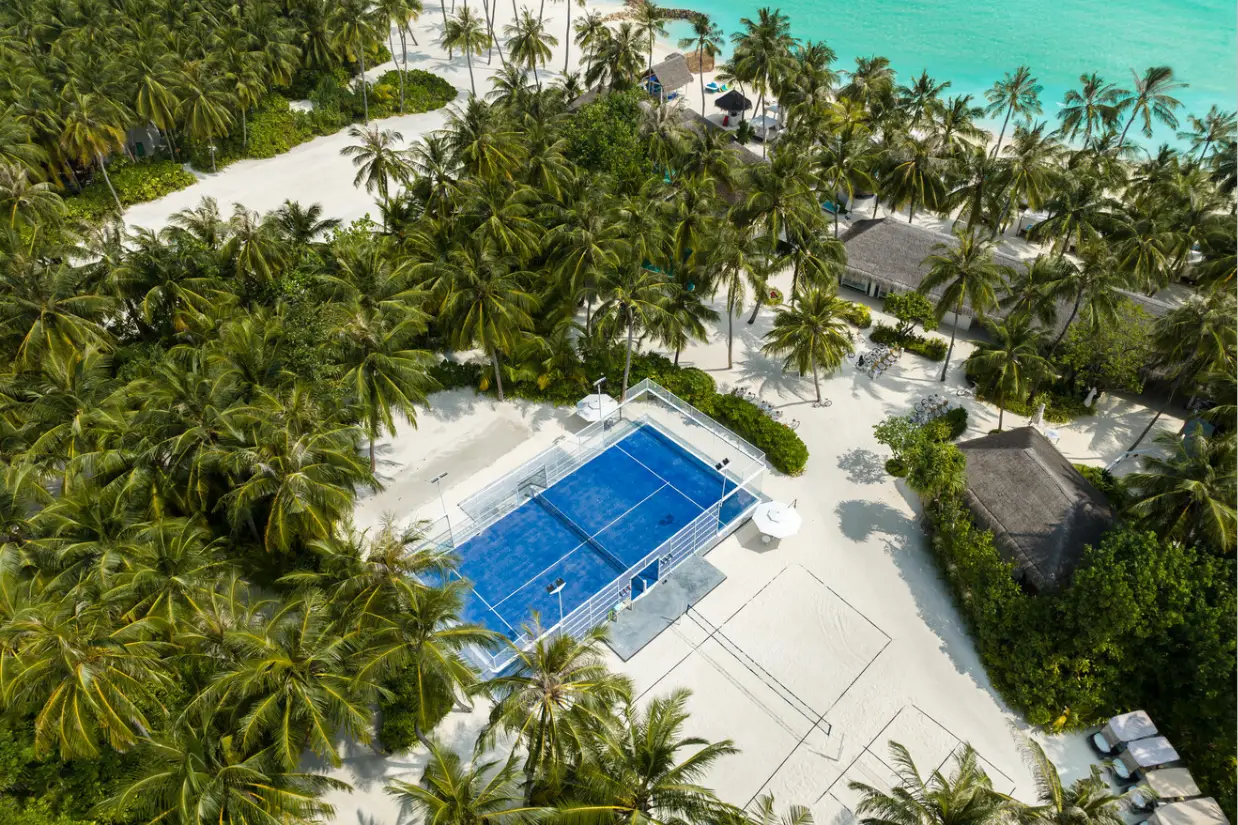
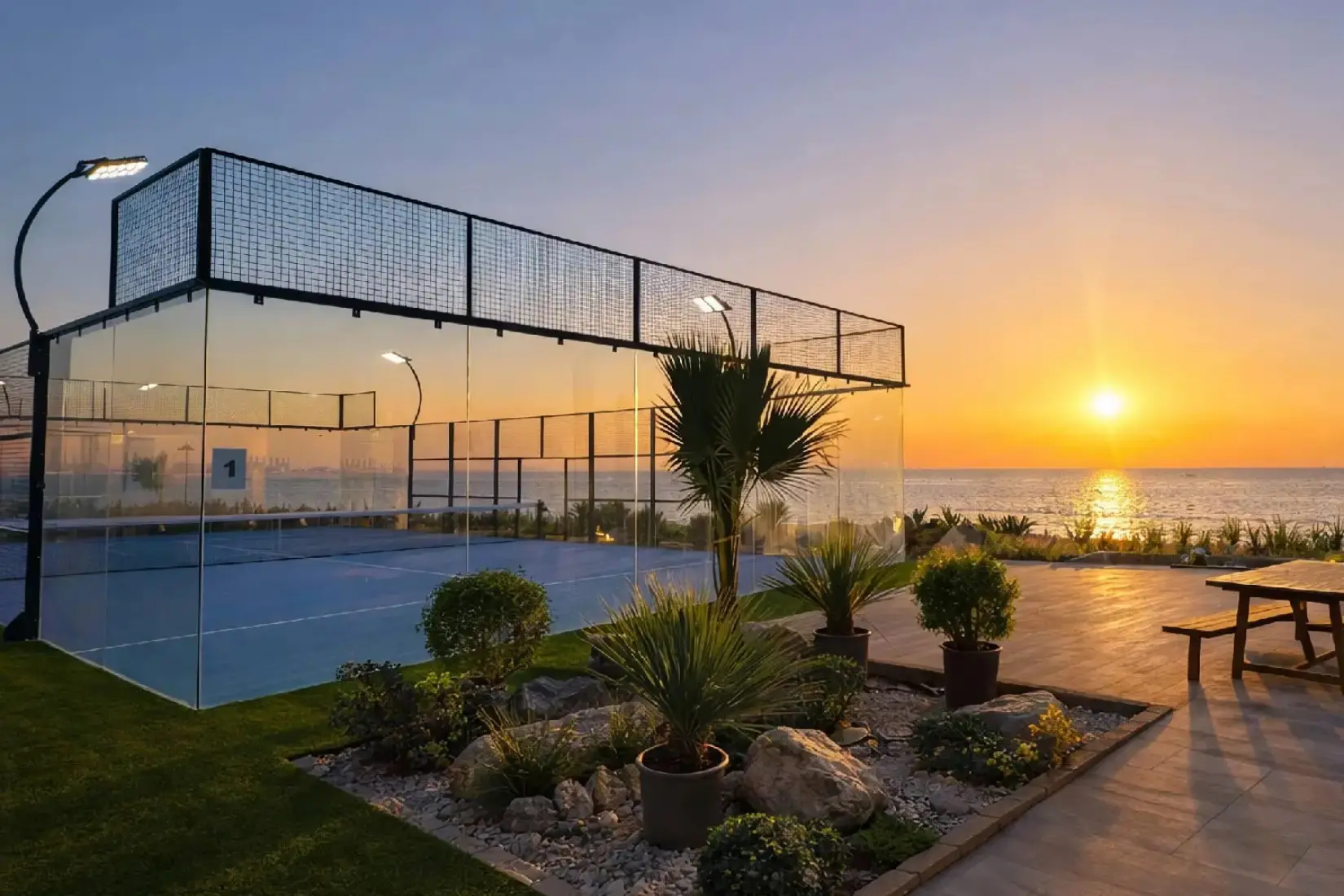
Some of the world’s most recognisable luxury hotels are now putting courts in remarkably beautiful places: surrounded by Indonesian jungle, on private Maldivian islands and against the mountains of St. Moritz.


And increasingly, the court itself is becoming part of the sell.


That is what makes this more interesting than another story about the rise of padel. We already know the sport has exploded.
 

The International Padel Federation’s 2025 World Padel Report puts the number of players at more than 35 million worldwide, up by more than five million in a year. There are now around 77,300 courts across 150 countries, while the number of courts grew by 15.2% in 2025 alone. Britain is among the European markets FIP identifies as still growing rapidly.


The more interesting question is what happens once all those players go on holiday.

The court has become part of the picture

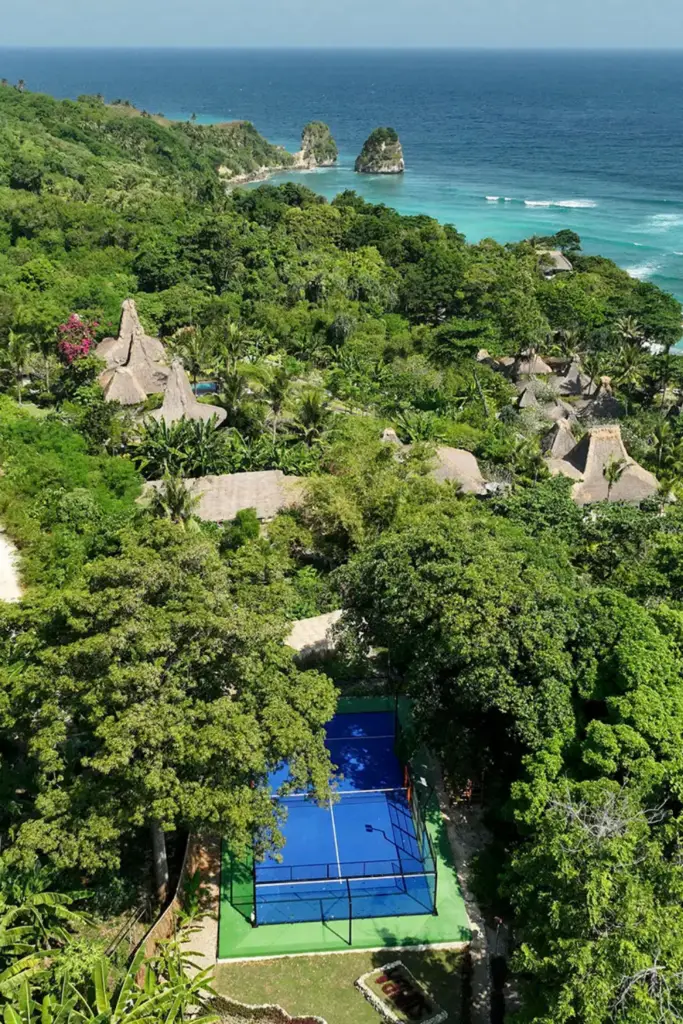
Look at NIHI Sumba.


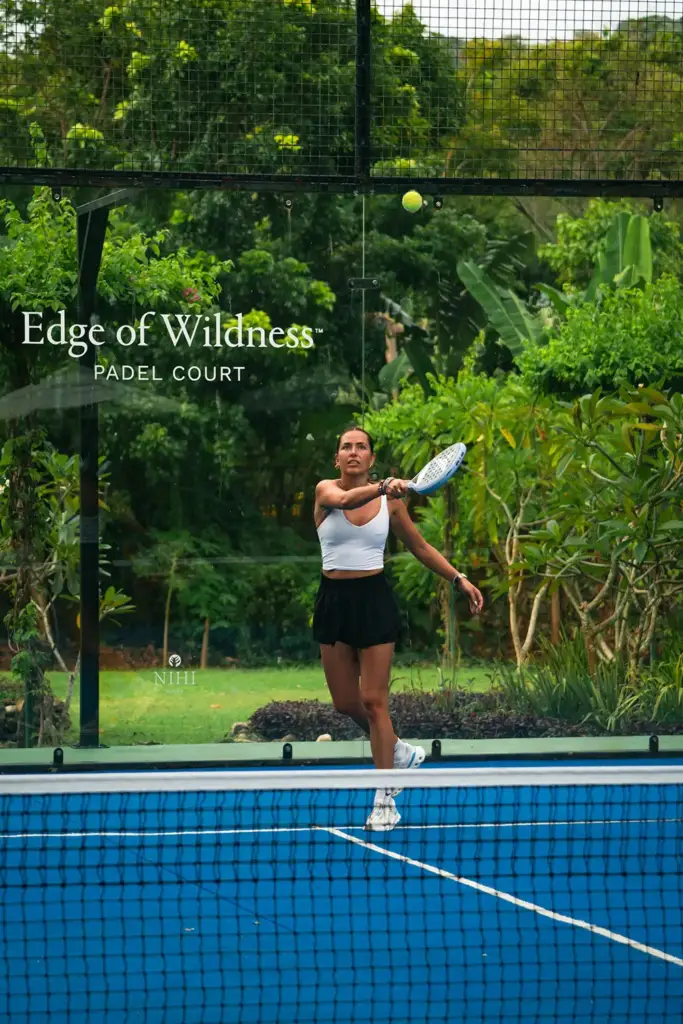
Its vivid blue padel court sits among the tropical greenery of the Indonesian island, immediately making the setting part of the game.

NIHI describes it as the first and only padel court in Sumba. It is complimentary for guests and open from morning until evening, with weekly social games and private lessons available through coaching partner Liga Tenis.


This is not a court that happens to exist at a hotel. It looks like somewhere you would want to play specifically because of where it is.
 

And that distinction matters.


Luxury hotels have always competed on things that photograph well. The infinity pool became an obvious example: somewhere to swim, yes, but also an architectural feature that could communicate a resort’s entire proposition in one image.


Padel courts are beginning to perform a surprisingly similar role.


They signal activity, sociability and a certain kind of lifestyle — while still producing the sort of imagery luxury hotels want associated with their brand.

Padel is becoming a social space too

At Delano Dubai, the idea goes even further.


La Cantine Sports Club has six outdoor padel courts set among landscaped social areas on Bluewaters Island. But the concept also includes a wellness-focused café inspired by Mediterranean dining and spaces deliberately designed to encourage people to stay before and after playing.


That says quite a lot about why hotels like padel.


A gym is normally something guests use individually.


Padel creates an occasion. Four people play. Others watch. Somebody stays for lunch. A morning activity turns into half a day.


For hotels trying to create more reasons for guests to spend time within the resort, it makes commercial as well as cultural sense.

It fits the way luxury travel is changing

There is also a broader shift at play.


Luxury travel used to be strongly associated with doing very little extremely well.


That still has its place, but the modern luxury resort increasingly needs to offer something more active: hiking, wellness programmes, cycling, watersports, tennis and now padel.


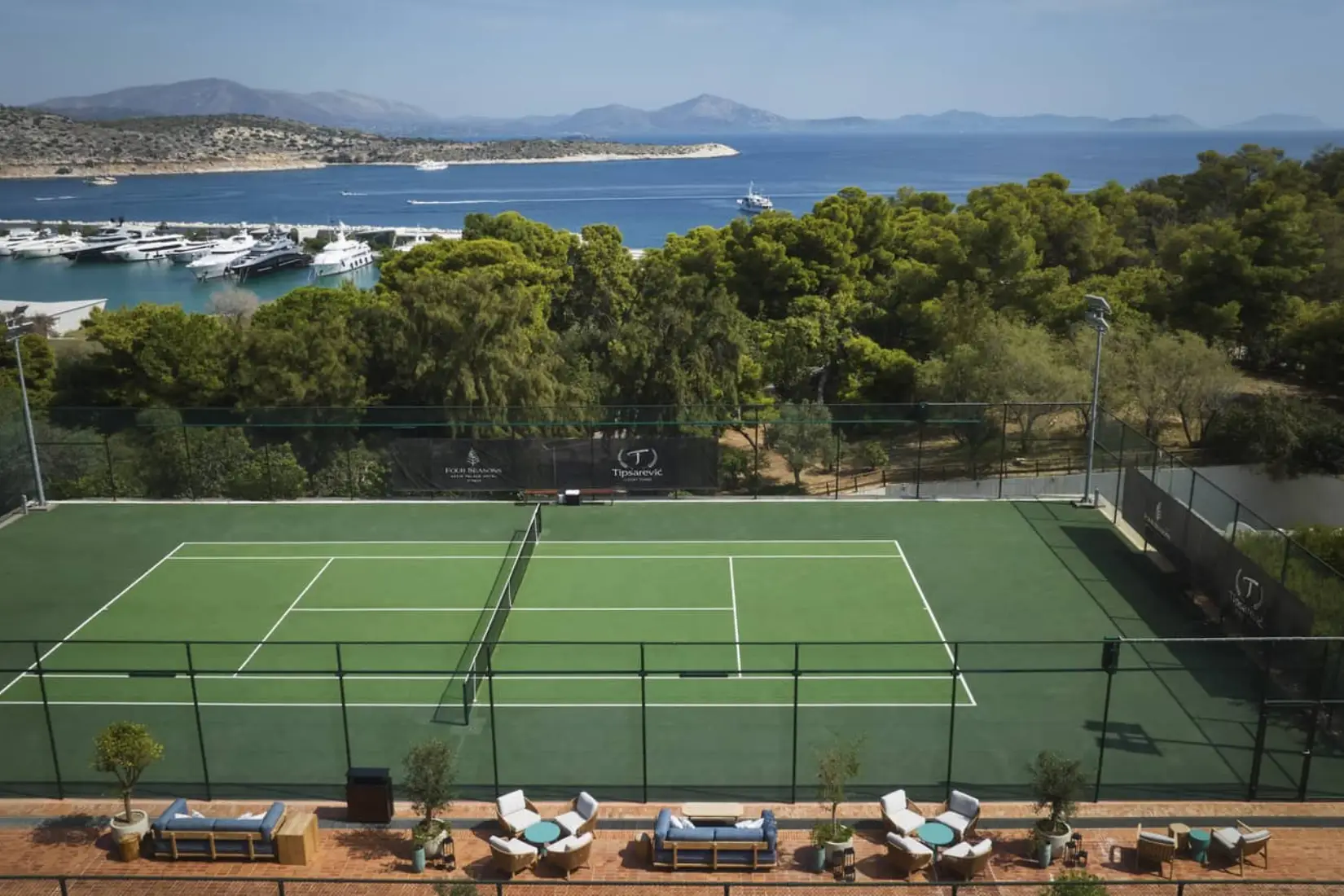
At Four Seasons Astir Palace Hotel Athens, the resort has added a dedicated padel court alongside three tennis courts at its Tennis and Padel Club. Guests can simply reserve a court or book private coaching.


Its location on the Athenian Riviera makes the appeal fairly obvious.


A game can become one part of the day rather than the purpose of it: padel in the morning, the beach afterwards and lunch overlooking the water.


That may be padel’s biggest advantage as a holiday sport.


It is sociable enough for a group, accessible enough for relative beginners and competitive enough for people who actually care about winning.

The Alps might be clearest sign yet

Then there is Badrutt’s Palace.


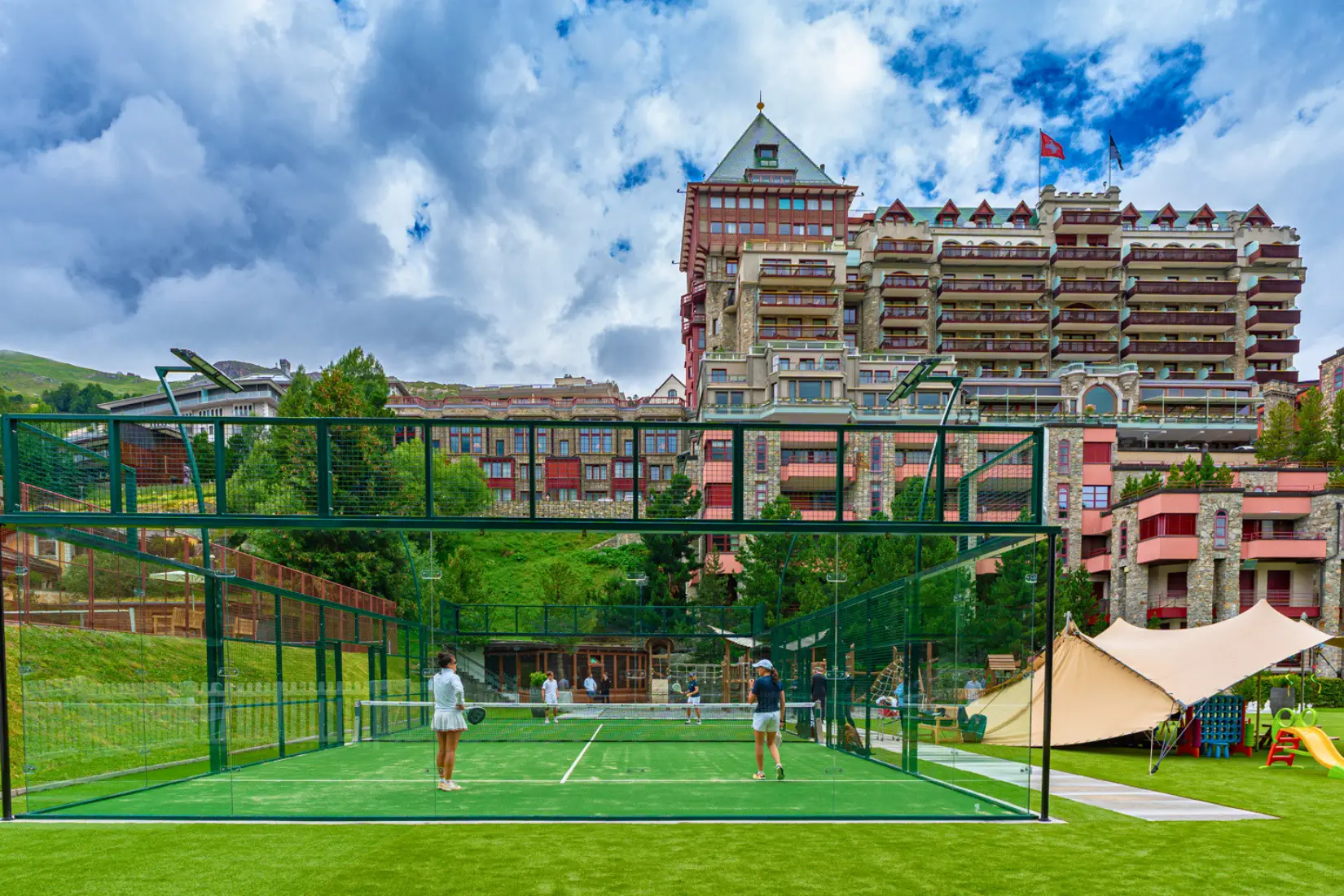
The St. Moritz hotel now has what it describes as the highest padel court in Europe, open year-round and surrounded by the Engadin’s mountain landscape. Equipment rental, partner arrangement and coaching are all available.


The hotel’s own 2025 coverage described the new court alongside its infinity pool as part of the latest evolution of its leisure offering.


And perhaps nowhere makes our argument more neatly.


Padel is no longer confined to Spanish resorts or beach clubs.


A grand Swiss hotel synonymous with skiing, old-school glamour and Alpine luxury now considers a padel court noteworthy enough to promote as part of the Badrutt’s Palace experience.


That is a status shift.

Even the Maldives isn’t exempt

At One&Only Reethi Rah, padel sits within Club One alongside the resort’s wider sports programme.


The island has floodlit tennis and padel courts, resident professionals and hitting partners who can arrange personalised games. One&Only even includes tennis or padel lessons within some of its family holiday packages.


There is something faintly absurd about flying to a private island in the Maldives and immediately seeking out a racket.


But it also perfectly explains the sport’s appeal.


Padel does not necessarily feel like the thing you are supposed to do on holiday.


For its converts, it is the thing they want to do.

Luxury padel court at a high-end resort surrounded by dramatic scenery

And of course, the Mediterranean gets it

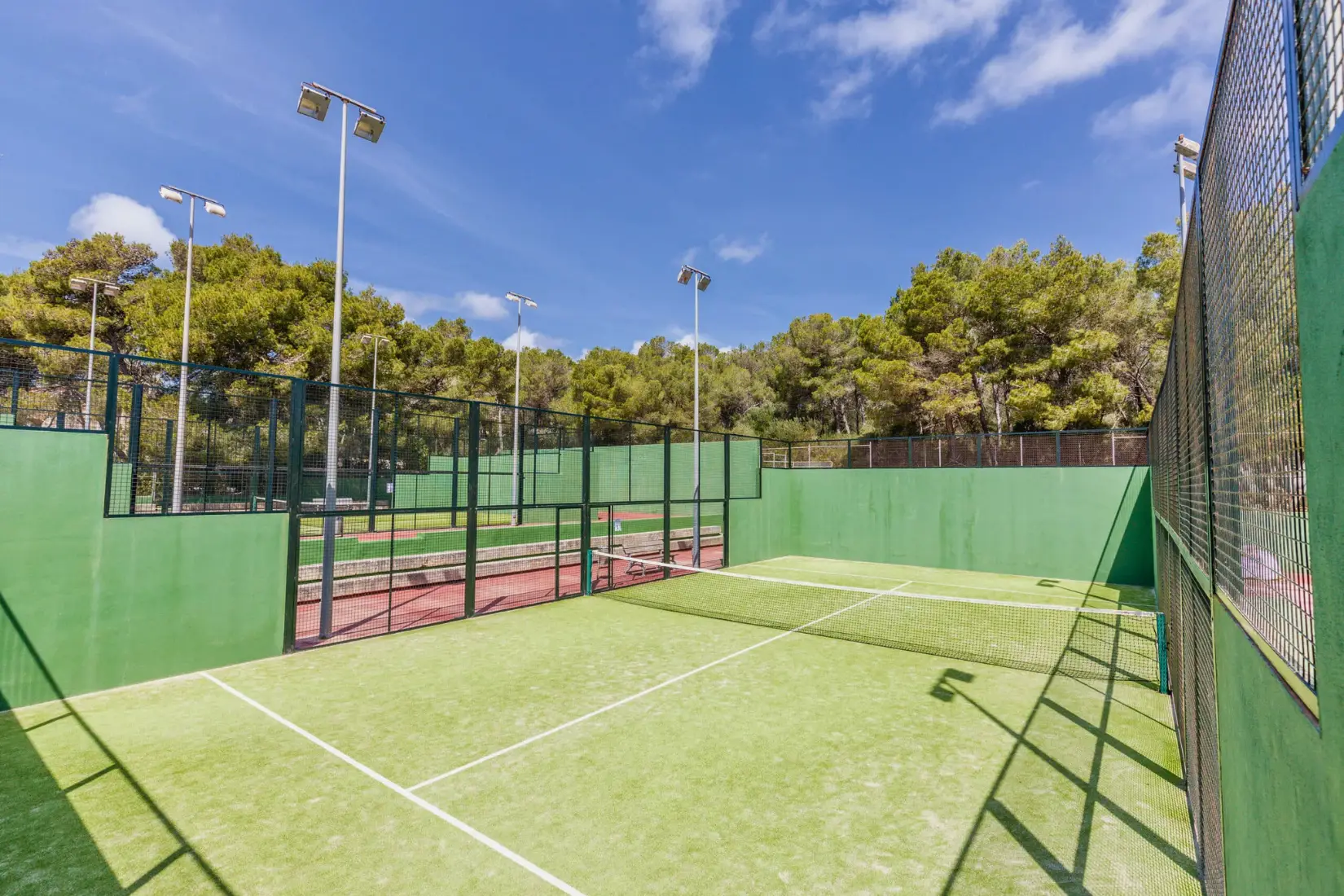
At Ikos Porto Petro in Mallorca, new outdoor padel courts now form part of the complimentary activity programme alongside three tennis courts, paddleboarding, canoeing and fitness.


It is an especially natural fit for the Ikos model.


Play a match. Have lunch. Swim. Order something cold. Repeat tomorrow.


No logistics and, thanks to the all-inclusive format, very little friction.


That might ultimately be why padel works so well within the luxury resort world.


It gives people something to organise the day around without making the holiday feel organised.

So, is the padel court the new infinity pool?

We are not suggesting hotels start filling in their swimming pools.


But there is a similarity.


The infinity pool became much more than an amenity. It became visual shorthand for the hotel itself: the image that appeared on Instagram, in travel features and perhaps ultimately made you want to stay there.


The best resort padel courts are beginning to occupy some of the same territory.


They are placed somewhere beautiful. They photograph brilliantly. They say something about the people who stay there and increasingly, they give travellers who already play at home another reason to choose one hotel over another.


That last part is important.


With more than 35 million players globally, padel has a sizeable audience of travellers who do not necessarily want to stop playing just because they are away.


Hotels are responding by turning the humble resort court into something altogether more aspirational.


The question may no longer be whether your hotel has padel.

It might be what the view is like from the court.

Start planning your padel escape

Ready to plan a padel escape?

Speak to a Travel Seen Group specialist and start planning your next escape →


Ready to book?
Send us an enquiry and we will get you matched to the right experience. Call or Whatsapp us on 0333 305 9912.

More From Our Blogs

Hushpitality | Why silence is becoming travel’s ultimate luxury

Forget adding another treatment, restaurant or experience. Hushpitality is the growing luxury travel trend built around something increasingly difficult to find: genuine peace and quiet.

How padel became the new luxury travel status symbol

Padel courts are no longer hidden behind the hotel gym. From jungle courts in Sumba to Alpine backdrops in St. Moritz, luxury hotels are turning padel into part of the destination itself.

Why Sani Marina is the secret to how Sani Resort works

Sani Marina is much more than somewhere to admire the yachts. With waterfront restaurants, boutiques, bars and boat trips, it gives Sani Resort a genuine centre and makes the whole holiday feel more like staying in a destination than a traditional resort.

Join our community of travellers

Curated travel stories, hidden destinations and
exclusive offers – direct to your inbox.

Please refer to our Privacy Policy