The Human Advantage | Why AI can’t replace the travel agent

AI can build you an itinerary in seconds. It can compare hotels, suggest destinations and surface flights almost instantly. But can it actually know you?
Artificial intelligence is already changing the way we travel. From inspiration and research to itinerary planning, it has made access to information faster than ever.
Ask for a two-week itinerary through Japan and you can have one in seconds. Ask for the best hotels in Ibiza and you’ll get a list. Ask for a comparison of flight routes and it can work through thousands of options far quicker than any person could.
So, does that mean the traditional travel agent is becoming obsolete?
We think the opposite could be true.
As travel becomes increasingly automated, the value of genuine human expertise may become even more important. Across our own specialist brands including Oxford Ski Company, eShores and Luxx Collective, technology can support the process. But the part that makes a trip feel truly personal still comes down to people.
AI can give you options. A travel expert can tell you which one is right.
AI is exceptionally good at processing information.
It can analyse reviews, compare hotels, identify flight routes and put together an itinerary based on almost any brief. For straightforward travel research, that can be incredibly useful.
But choosing a holiday is rarely just about finding the hotel with the highest rating or the flight with the shortest journey time.
Someone might tell us they want a family-friendly hotel but what they really mean is somewhere that welcomes children without feeling like a traditional family resort.
A couple might ask for somewhere lively but they are imagining great restaurants, bars and atmosphere rather than a nightclub beneath their bedroom.
And someone asking for luxury may not mean chandeliers or white-glove service at all. They may mean privacy, space, brilliant food and somewhere that feels individual rather than corporate.
Those distinctions are difficult to capture in a search box.
They come from conversation, judgement and getting to know the person travelling.


The best hotel isn’t necessarily the right hotel.
One of the biggest differences between information and expertise is knowing when not to recommend something.
Travel trends move quickly. A particular hotel might suddenly be everywhere on Instagram or a destination might become the place everyone is talking about.
That doesn’t automatically make it right for every traveller.
A good travel expert knows which room category is genuinely worth upgrading to. They know whether the hotel that looks beautiful online actually delivers the experience a client is looking for. They may know what has changed at a property since their last visit or whether another hotel ten minutes away would suit that particular client far better.
Sometimes the most useful thing a travel expert can say is:
“I don’t think that’s right for you.”
That judgement is hard to automate because it isn’t simply based on what is objectively ‘best’. It is about understanding what is best for that person.

Then something goes wrong
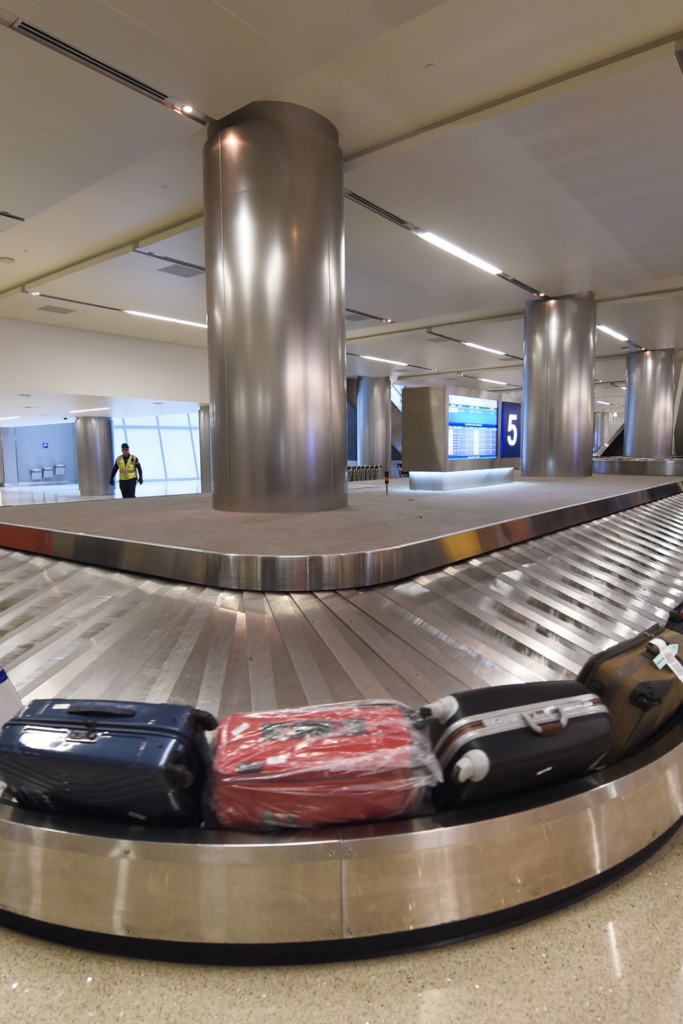
The difference between booking a trip and having someone look after a trip often becomes clearest when plans change.
Flights get cancelled. Airlines alter schedules. Transfers are delayed. Weather disrupts itineraries. Hotels make mistakes.
When everything is running perfectly, technology can make travel feel incredibly straightforward.
When something goes wrong, another page of search results is rarely what you want.
You want somebody at the end of the phone or WhatsApp who knows your trip, understands what has happened and can work out the best solution.
Technology might identify three alternative flights.
The human expert knows which of those three their client will actually be happy taking.
And sometimes what someone needs most in that moment isn’t more information at all.
It is reassurance that somebody is dealing with it.


Travel is more emotional than we sometimes admit
When people talk about travel technology, the conversation often focuses on efficiency.
But holidays are not purely functional purchases.
They are honeymoons, anniversaries and milestone birthdays. They are the first family holiday with a new baby or perhaps the last big family trip before children leave home.
They can be celebrations after difficult years or holidays somebody has spent a long time saving for.
That emotional investment matters.
A machine can tell you that a suite has a sea view.
A travel expert can understand why having that sea view matters to you.
For higher-value trips in particular, confidence can become just as important as convenience.
People are not only paying for flights and hotel rooms. They are paying to feel confident that someone has thought carefully about what they are booking.

Perhaps AI will make the best travel agents even better
The future of travel probably isn’t going to be AI versus the travel agent.
It is far more likely to be travel agent + AI.
There are plenty of parts of the travel industry where artificial intelligence can be genuinely useful.
Research can become faster. Administrative tasks can become easier. Data can be analysed more efficiently and the first stages of itinerary building can happen in a fraction of the time.
Used well, that doesn’t remove the need for human expertise.
It gives travel experts more time to use it.
Less time spent on repetitive admin means more time to listen to clients, challenge assumptions, research the finer details of a trip and build relationships.
The technology does the processing.
The person does the understanding.
The real luxury is having someone who knows you
Travellers have never had more information available to them.
They can research destinations, compare hotels, read thousands of reviews and increasingly use AI to plan an entire trip themselves.
That means the modern travel expert has to offer something more than access to a booking system.
The value lies in expertise, curation and confidence.
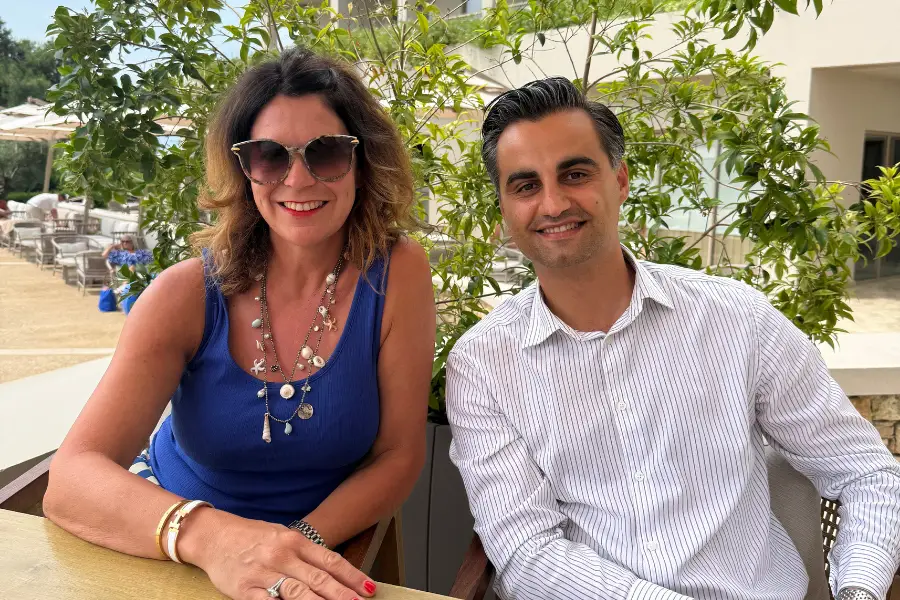
It is the person who remembers that you loved one hotel but found another too formal.
The person who knows you would rather have the smaller suite in the better location.
The person who understands that when you say you want somewhere quiet, you still want to be able to walk somewhere for dinner.
And the person who is still there when the flight is cancelled.
AI can tell you what is available.
A great travel expert can tell you what you should choose and why.
That is the human advantage.

Start planning your Ikos escape
Ready to visit an Ikos Resort?
Speak to a Travel Seen specialist and start planning your next escape →
Ready to book?
Send us an enquiry and we will get you matched to the right experience. Call or Whatsapp us on 0333 305 9912.
More From Our Blogs

Join our community of travellers
Curated travel stories, hidden destinations and
exclusive offers – direct to your inbox.
ENQUIRE NOW
We are delighted to assist you in crafting your dream holiday. Please complete the form below, and one of our travel specialists will be in touch.
How would you like to speak to us?
Choose the option that suits you and we’ll take it from there.
Call our Travel Experts at
0333 305 9912
(Office hours 9am-5pm Monday-Friday)
Start on WhatsApp. Our smart travel assistant will chat things through with you, share inspiration, then introduce you to the right specialist to plan and book.
Call us today
Prefer to talk it through? Call 0333 305 9912 and we’ll start shaping your trip.
(Office hours 9am-5pm Monday-Friday)
Prefer email?
Leave your details and what you’re planning and we’ll come back to you.