Is Shoulder Season the new Peak Season?
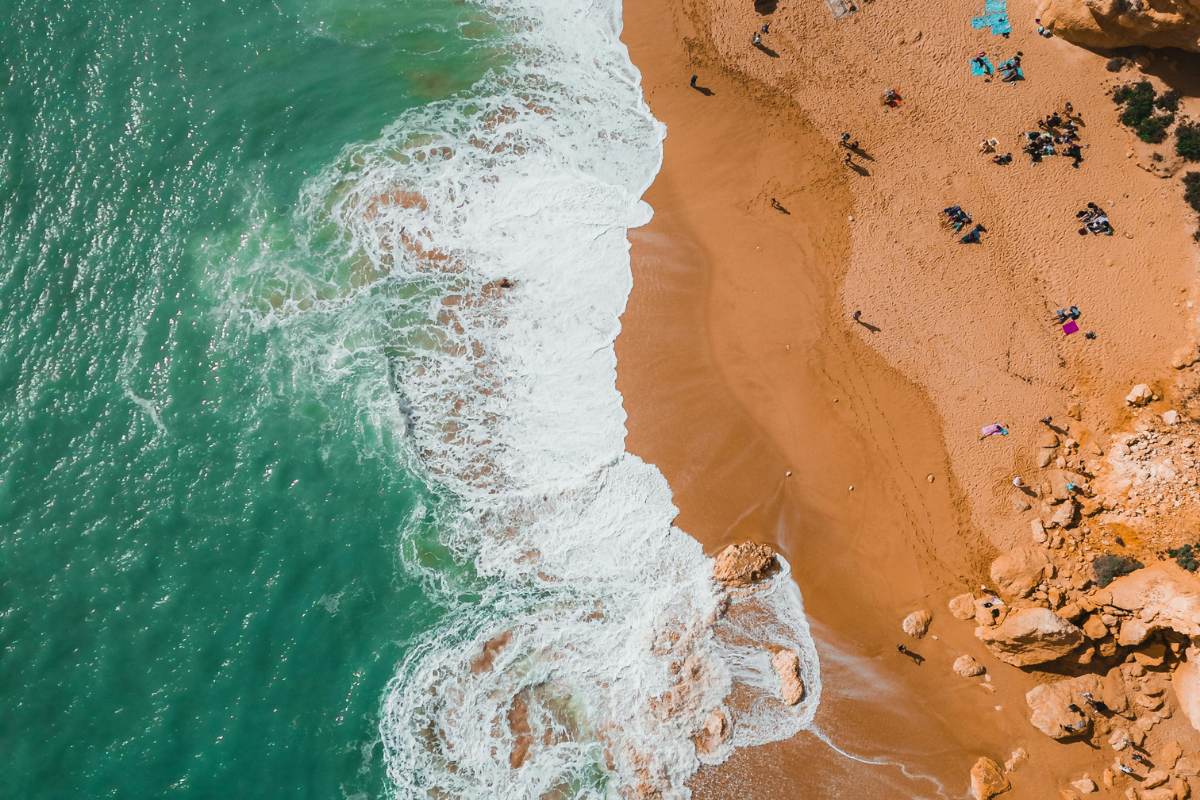
Why May, September and October might just be the best months to experience Europe.
For years, July and August have been the undisputed stars of the European summer. But with soaring temperatures, crowded beaches and increasingly busy destinations, travellers are beginning to question whether the height of summer really is the best time to go.
Enter shoulder season.
Traditionally considered the quieter months either side of peak summer, May, September and October are becoming increasingly desirable in their own right.
For luxury travellers, the appeal is obvious. Beautiful Mediterranean weather, exceptional hotels and a noticeably slower pace, often without the intensity of midsummer.
Perhaps the future of European summer travel isn’t about discovering somewhere new. It’s about experiencing somewhere familiar at a completely different time of year.
What is shoulder season and why is it becoming so popular?
Shoulder season refers to the periods immediately before and after a destination’s busiest travel months. Across much of southern Europe, this typically means spring and early autumn.
While more attractive hotel rates and greater availability can certainly be part of the appeal, the real luxury is often something much simpler.
Wandering through a beautiful Italian town without the crowds. Finding a table at that restaurant everyone’s talking about. Enjoying a stretch of coastline when the pace has become noticeably more relaxed.
It’s a different approach to luxury travel, where the experience matters just as much as the destination.
And as travellers become more conscious of extreme summer temperatures and overcrowding, choosing when to travel is becoming every bit as important as choosing where.
May, September or October. Which is best for Europe?
Each shoulder-season month offers something slightly different.
May is particularly appealing for exploring Europe beyond the beach. Think longer days, landscapes in bloom and destinations coming to life ahead of summer. Although Mediterranean sea temperatures can still be fresh, it’s a wonderful time for cultural escapes, coastal walks and countryside retreats.
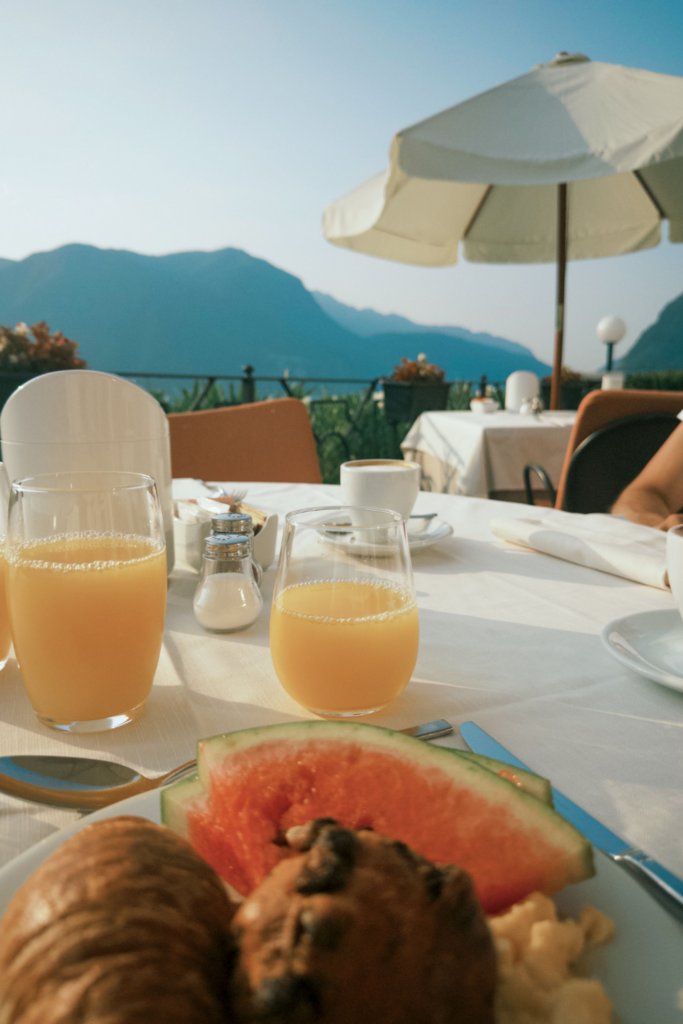
September offers the best of both worlds. The Mediterranean has spent months warming up, beach clubs and restaurants are generally still open and many destinations become quieter once the school holidays end.
October makes a compelling case for extending summer even further. Particularly in the eastern Mediterranean, pleasantly warm temperatures and inviting seas can continue well into autumn.
The secret is choosing the right destination for the month rather than assuming the traditional summer calendar applies everywhere.
Where to go in Europe during shoulder season
Some of Europe’s most beautiful destinations reveal an entirely different side of themselves outside peak summer.
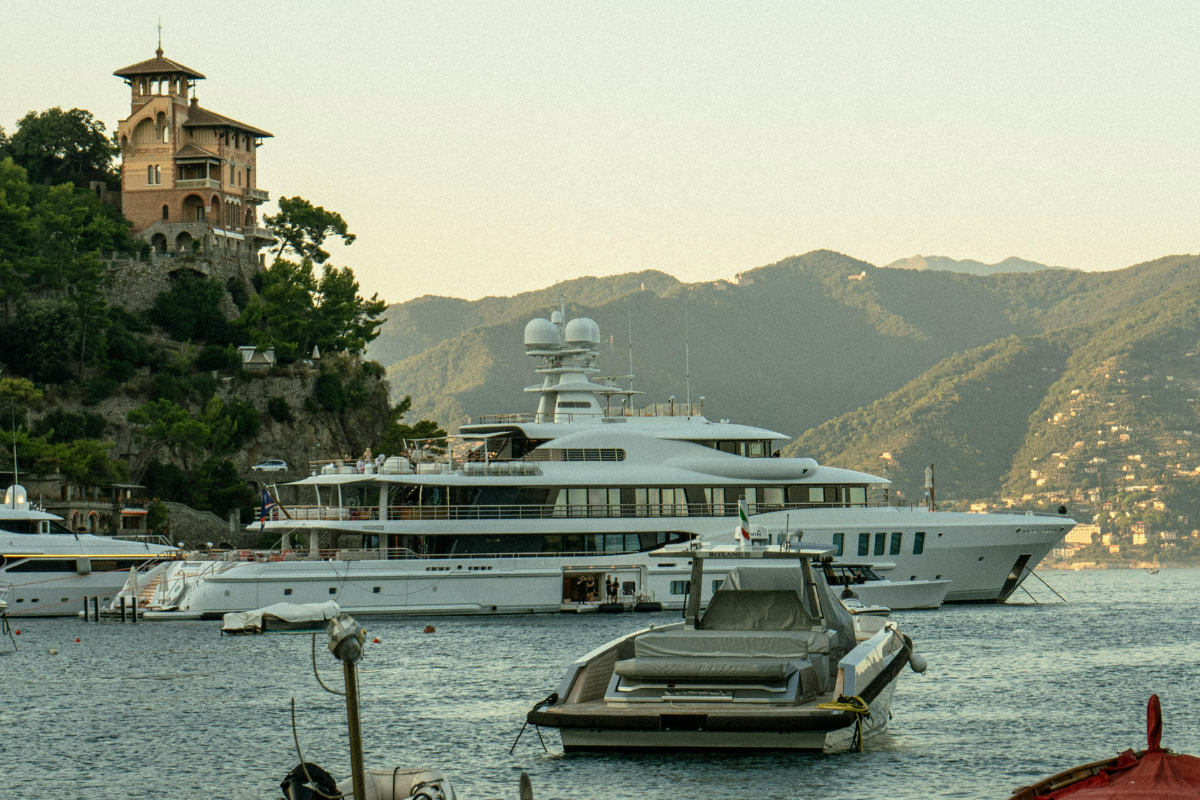
Italy - May, September and October
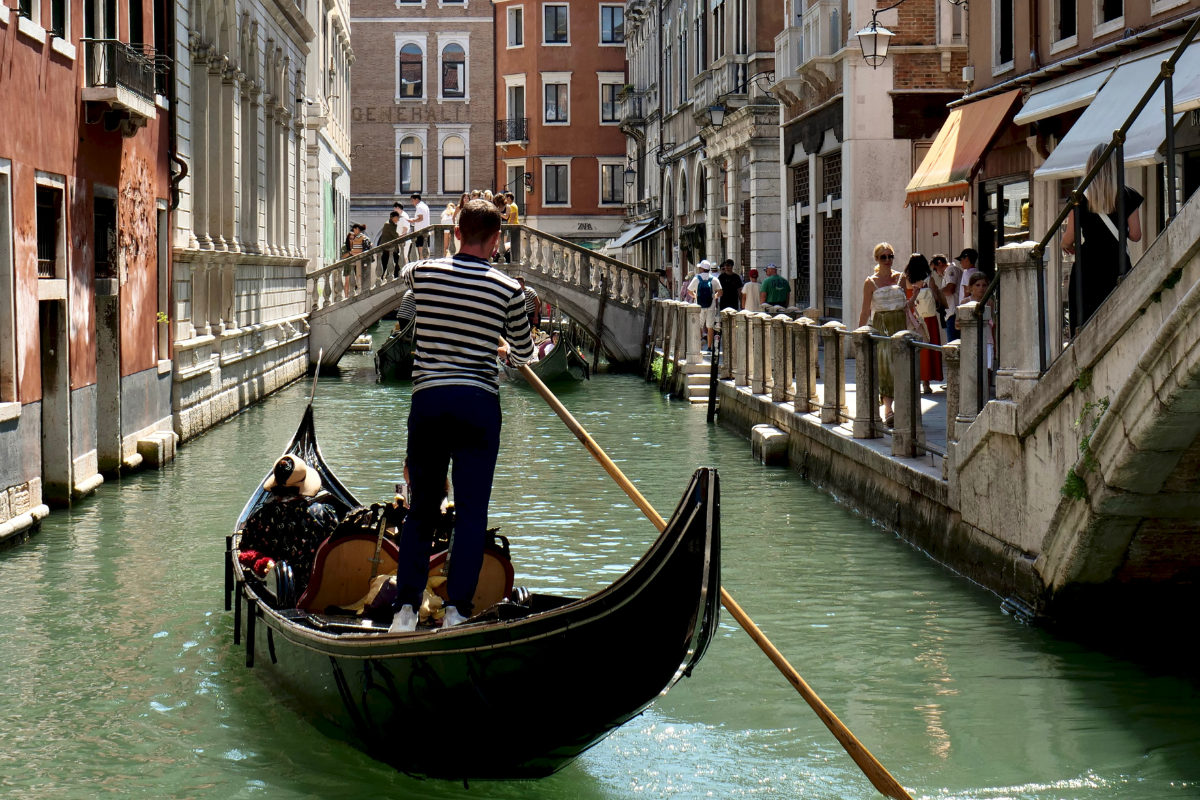
Rome in October is a very different experience from Rome in August. More comfortable temperatures make exploring its historic piazzas, neighbourhood trattorias and cultural landmarks considerably more enjoyable.
Florence and Venice are equally appealing outside the height of summer, while further south, Sicily combines beautiful coastlines, Baroque towns, vineyards and exceptional food.
For travellers who love culture, gastronomy and discovering somewhere beyond the hotel, Italy is particularly rewarding during shoulder season.
Cyprus - September and October
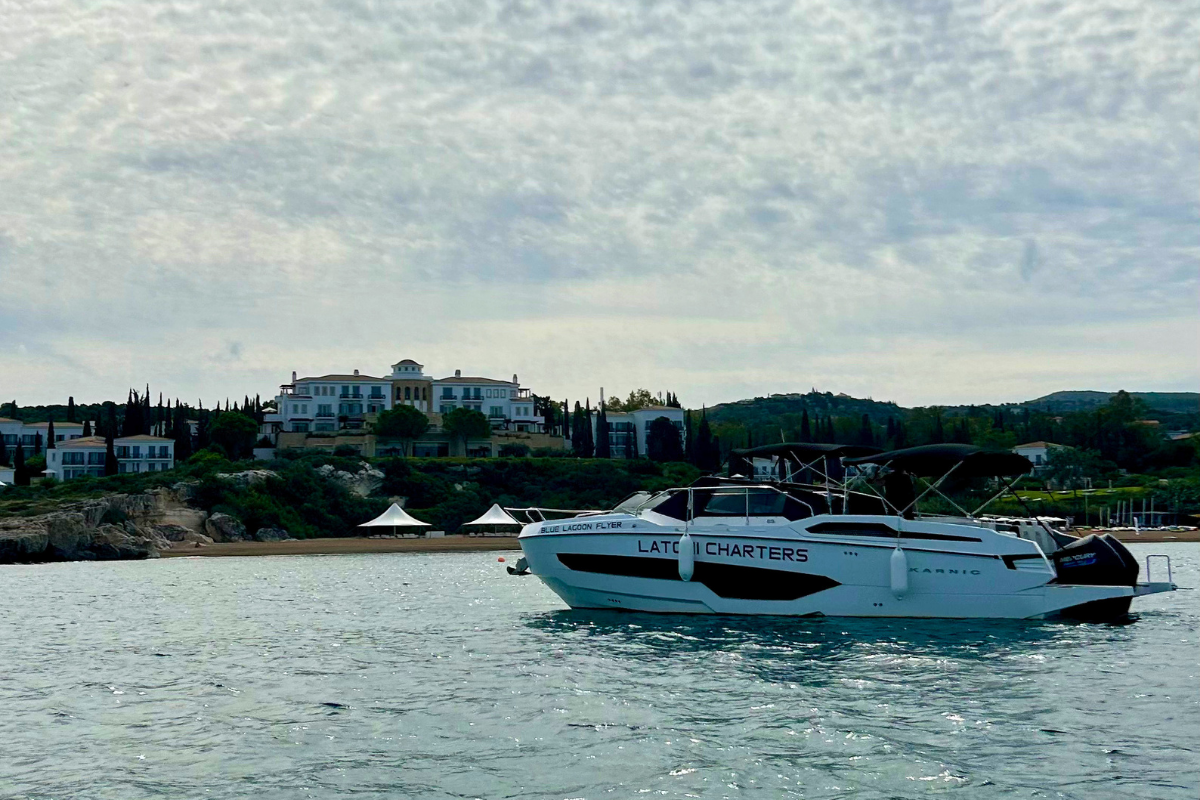
For those looking to extend summer well into autumn, Cyprus is one of the Mediterranean’s strongest contenders.
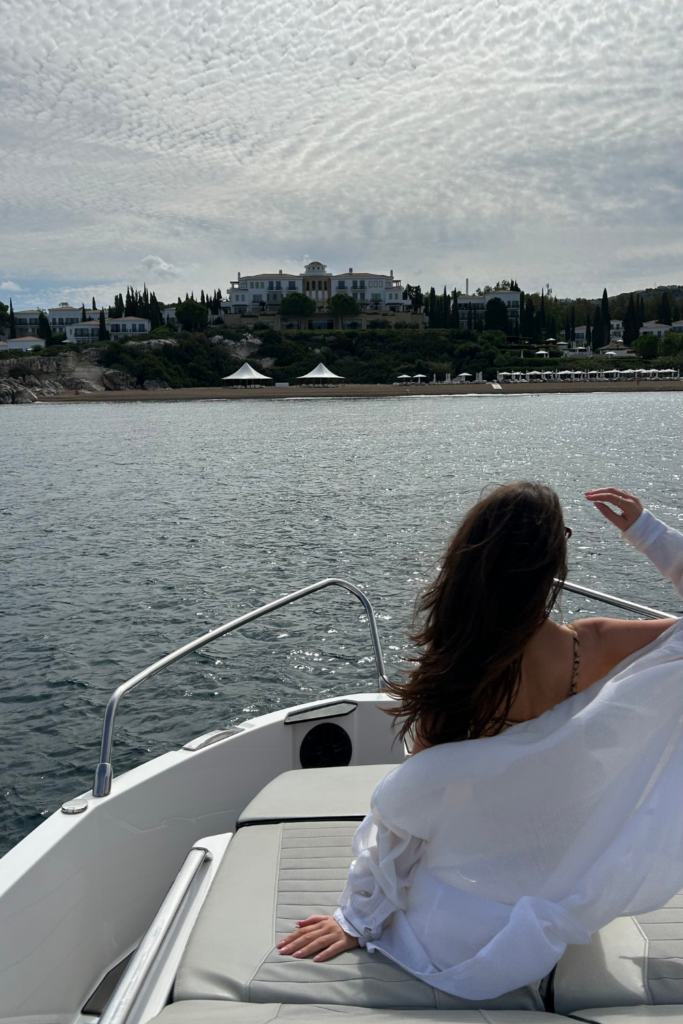
Our recent Travel Seen visit to Anassa, Annabelle and Almyra was a lovely reminder of just how appealing the island can be in October.
With warm seas, beautiful coastal scenery and plenty to discover beyond the beach, Cyprus offers the opportunity to enjoy a luxury Mediterranean holiday long after the traditional summer season has ended.
Crete - September and early October
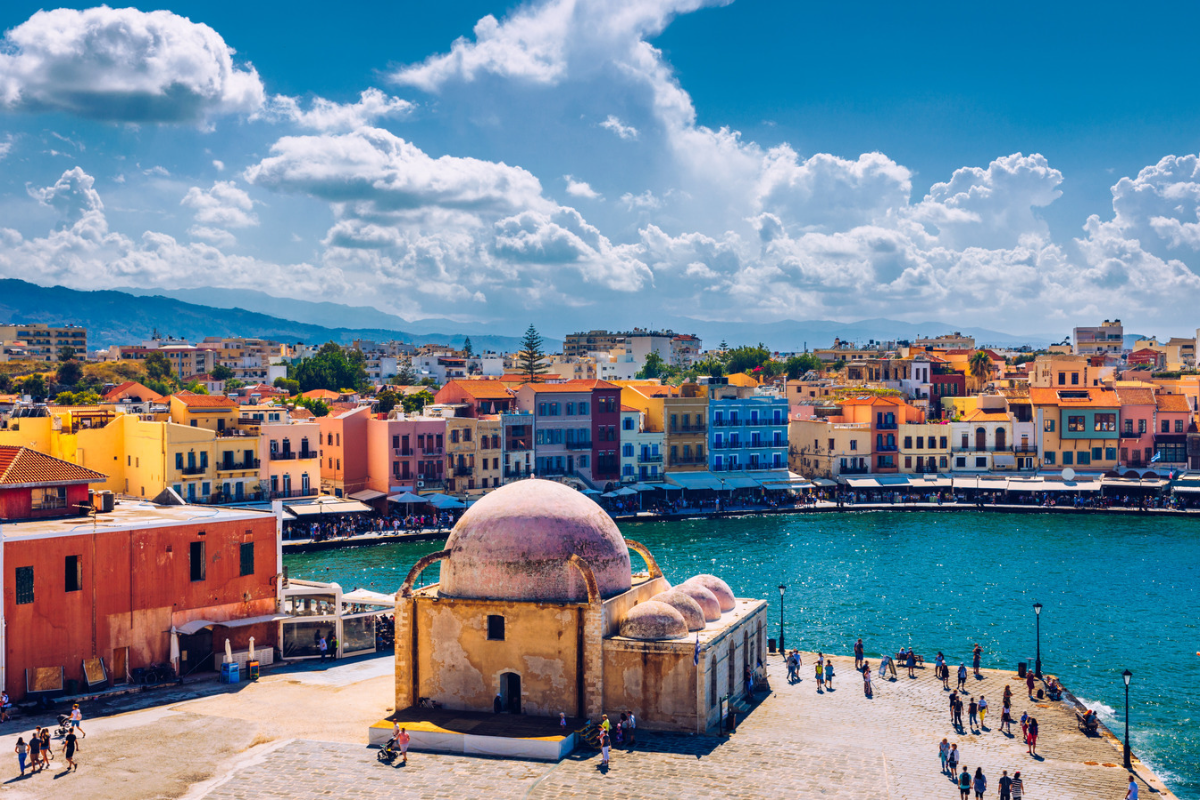
Greece’s largest island is another excellent choice for early autumn.
The sea is often still beautifully warm, while more comfortable temperatures make exploring Crete’s traditional villages, Venetian harbours and exceptional food scene particularly enjoyable.
It’s a destination that offers far more than beautiful beaches.
Mallorca - May and September
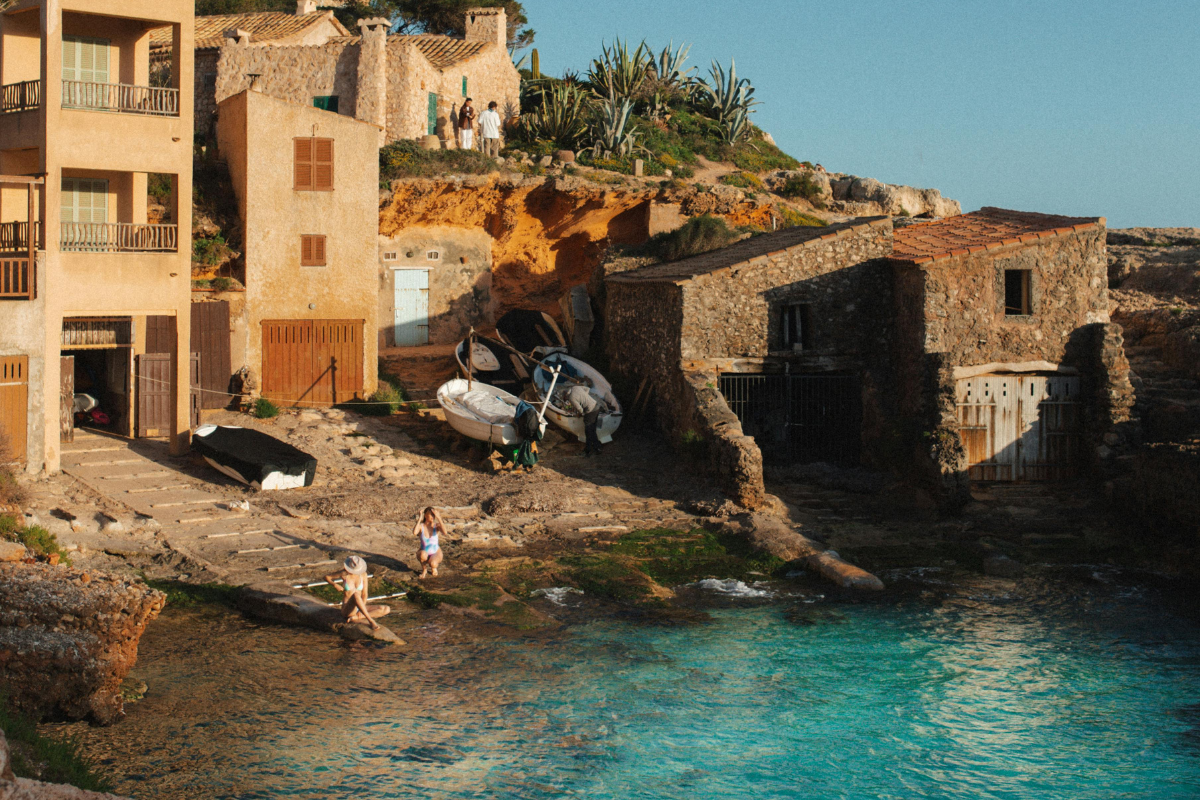
Mallorca reveals a different side of itself in spring and early autumn.
Think scenic coastal drives, mountain villages, hidden coves and long lunches overlooking the Mediterranean.
May is particularly lovely for discovering the island’s countryside and villages, while September is ideal for combining warm seas with a gentler atmosphere.
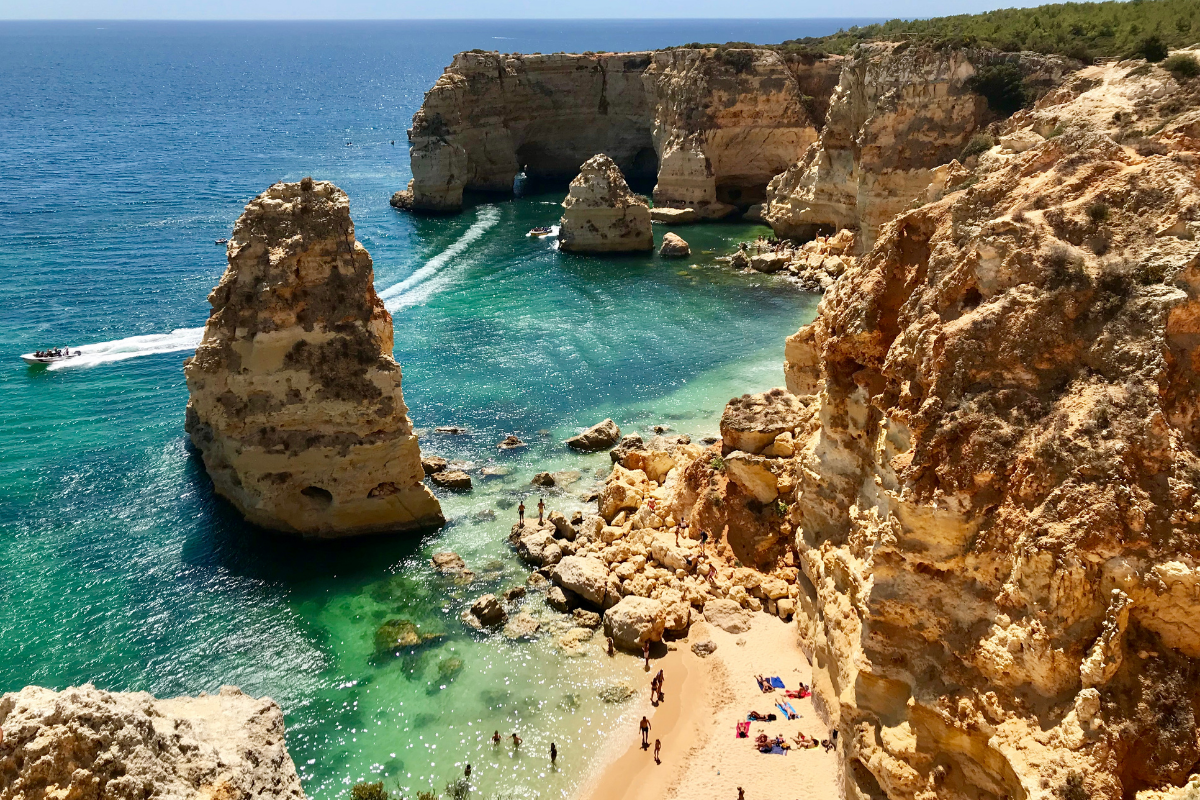
The Algarve - May and September
Portugal’s Algarve comes into its own outside the height of summer.
Golden beaches, dramatic clifftop walks and leisurely seafood lunches overlooking the Atlantic offer plenty of reasons to visit in spring or early autumn.
September is especially appealing for those wanting a traditional beach holiday without quite so much of the peak-season rush.
Is shoulder season the future of luxury travel?
Beyond the weather, travelling outside peak summer can offer greater flexibility with hotel availability, more choice when it comes to room categories and potentially more attractive rates.
But perhaps the greatest appeal is simply experiencing a destination when everything feels a little less hurried.
Of course, July and August will always have their place, particularly for families travelling around school holidays. And shoulder season isn’t without its considerations, from changing weather to seasonal hotel and restaurant closures.
But for those with the flexibility to travel at other times, the traditional holiday calendar is becoming increasingly less relevant.
Luxury travel is no longer simply about visiting the most desirable places. It’s about knowing when those places are at their best.
Shoulder season FAQs
When is shoulder season in Europe?
Shoulder season generally falls in April–May and September–October, although timings vary depending on the destination.
Where is warm in Europe in October?
Cyprus is one of the best options for late-season Mediterranean warmth. Crete and Sicily can also offer pleasant autumn weather, although conditions are more variable.
Is September a good time for a Mediterranean holiday?
Yes. September is particularly appealing because sea temperatures often remain warm after summer while many popular destinations become noticeably quieter.
Are luxury holidays cheaper during shoulder season?
They can be. Some hotels offer more attractive rates and greater availability outside peak summer, although this depends on the destination, property and travel dates.
The best time to travel isn’t always when everyone else does
Perhaps the most interesting shift in European travel isn’t where we’re choosing to go, but when.
A quieter coastline, a beautiful hotel with more room to breathe or an afternoon exploring somewhere without the midsummer heat can transform an experience entirely.
Summer, it seems, no longer needs to begin in July or end in August.
Discover Europe differently with Travel Seen
Ready to plan?
Speak to a Travel Seen specialist and start planning your next escape →
Ready to book?
Send us an enquiry and we will get you matched to the right experience. Call or Whatsapp us on 0333 305 9912.
More From Our Blogs

Join our community of travellers
Curated travel stories, hidden destinations and
exclusive offers – direct to your inbox.
ENQUIRE NOW
We are delighted to assist you in crafting your dream holiday. Please complete the form below, and one of our travel specialists will be in touch.
How would you like to speak to us?
Choose the option that suits you and we’ll take it from there.
Call our Travel Experts at
0333 305 9912
(Office hours 9am-5pm Monday-Friday)
Start on WhatsApp. Our smart travel assistant will chat things through with you, share inspiration, then introduce you to the right specialist to plan and book.
Call us today
Prefer to talk it through? Call 0333 305 9912 and we’ll start shaping your trip.
(Office hours 9am-5pm Monday-Friday)
Prefer email?
Leave your details and what you’re planning and we’ll come back to you.