Why the privacy of a villa and the service of a five-star hotel are becoming the ultimate luxury combination.
The traditional hotel suite is getting an upgrade.
As luxury travel evolves, more travellers are looking beyond conventional hotel accommodation in favour of something more personal. More space, greater privacy and the freedom to enjoy a holiday entirely on their own terms.
Enter the hotel residence – a growing category of luxury accommodation that combines the independence of a private villa with the facilities and exceptional service of a five-star resort.
From the Mediterranean to the Maldives, it’s one of the luxury travel trends we expect to shape 2027.
A hotel residence is a private, residential-style property within or connected to a luxury hotel or resort.
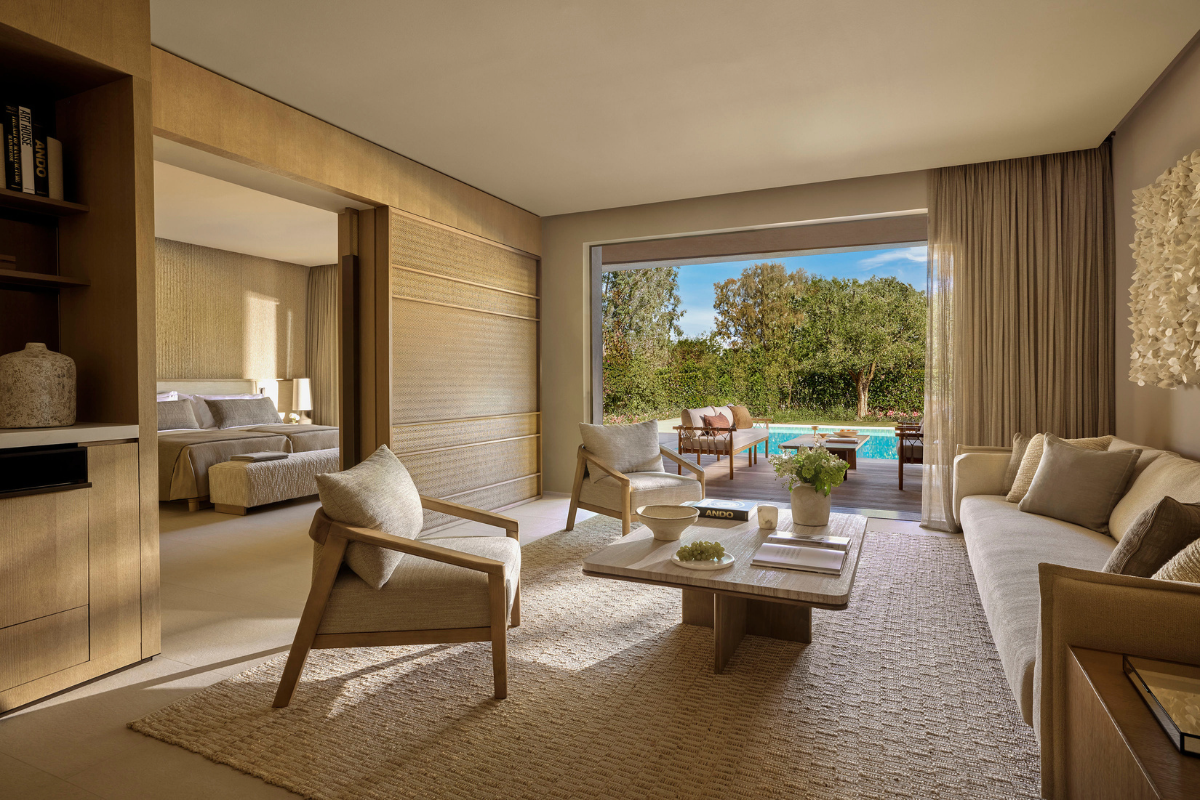
Unlike a traditional hotel suite, these residences often feature multiple bedrooms, generous living areas, private pools and outdoor dining spaces.
The difference? Guests can still enjoy hotel restaurants, spas, housekeeping, concierge services and other resort facilities.
Think villa living without the villa admin.
The appeal goes beyond extra space.
Multigenerational holidays, milestone celebrations and group escapes are changing what travellers want from luxury accommodation.
Rather than booking several separate rooms, families and friends increasingly want to share one beautiful property, with enough room to spend time together and the privacy to escape when they choose.
Hotel residences offer exactly that balance.
Slow mornings by a private pool. Long lunches on the terrace. Everyone around the same table at the end of the day.
All without sacrificing the convenience of a luxury hotel.
Some of the world’s leading luxury resorts are already embracing this more residential approach to hospitality.
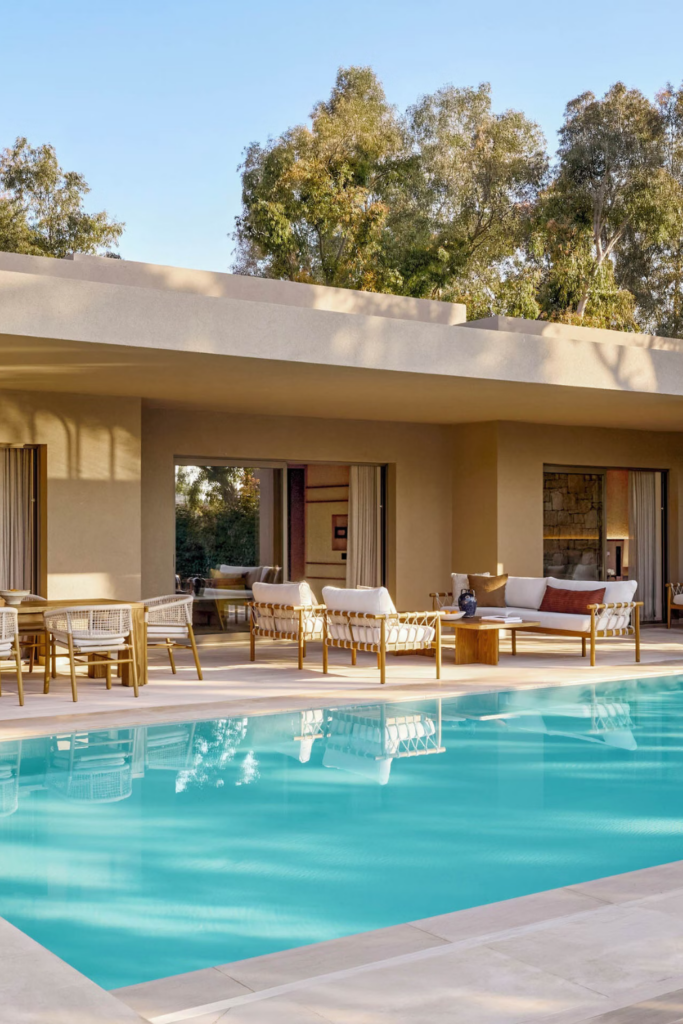
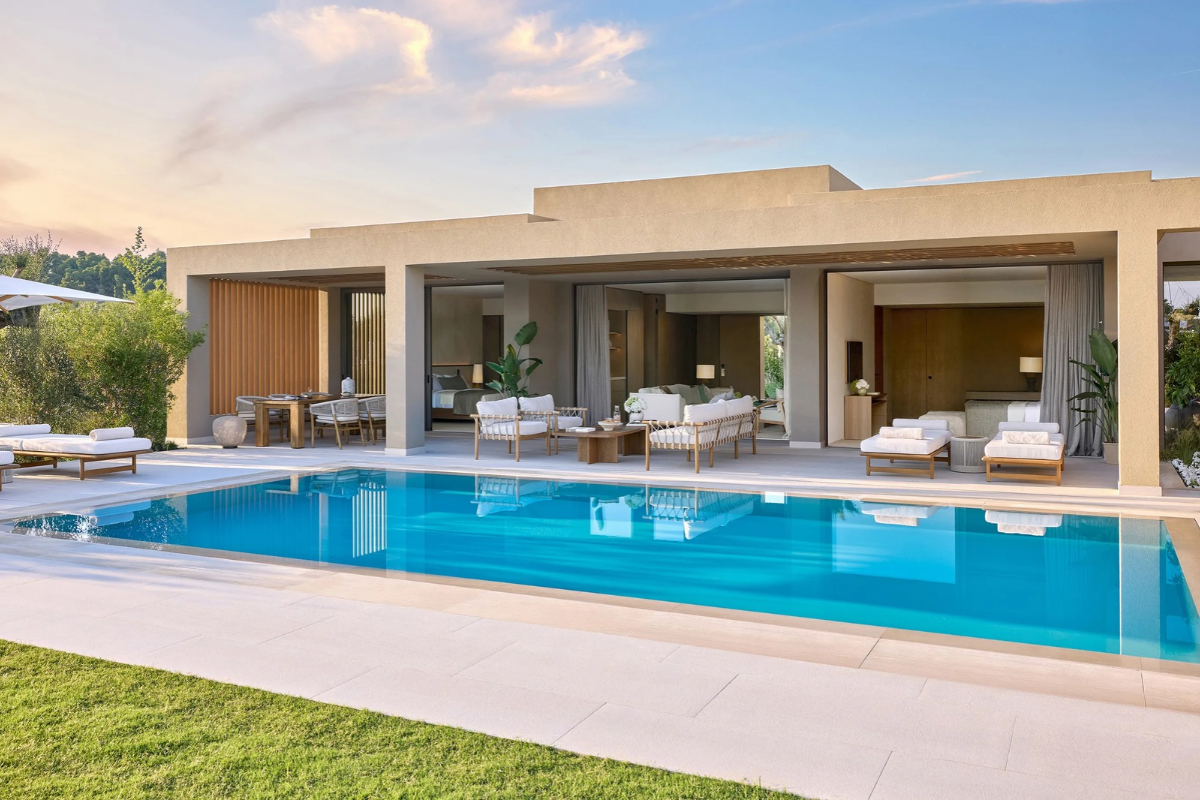
At Sani Asterias in Halkidiki, newly redesigned residences offer spacious indoor and outdoor living, with selected properties featuring private infinity pools and direct beach access.
Guests enjoy a more secluded family base while remaining connected to the restaurants, beaches and experiences of the wider Sani Resort.
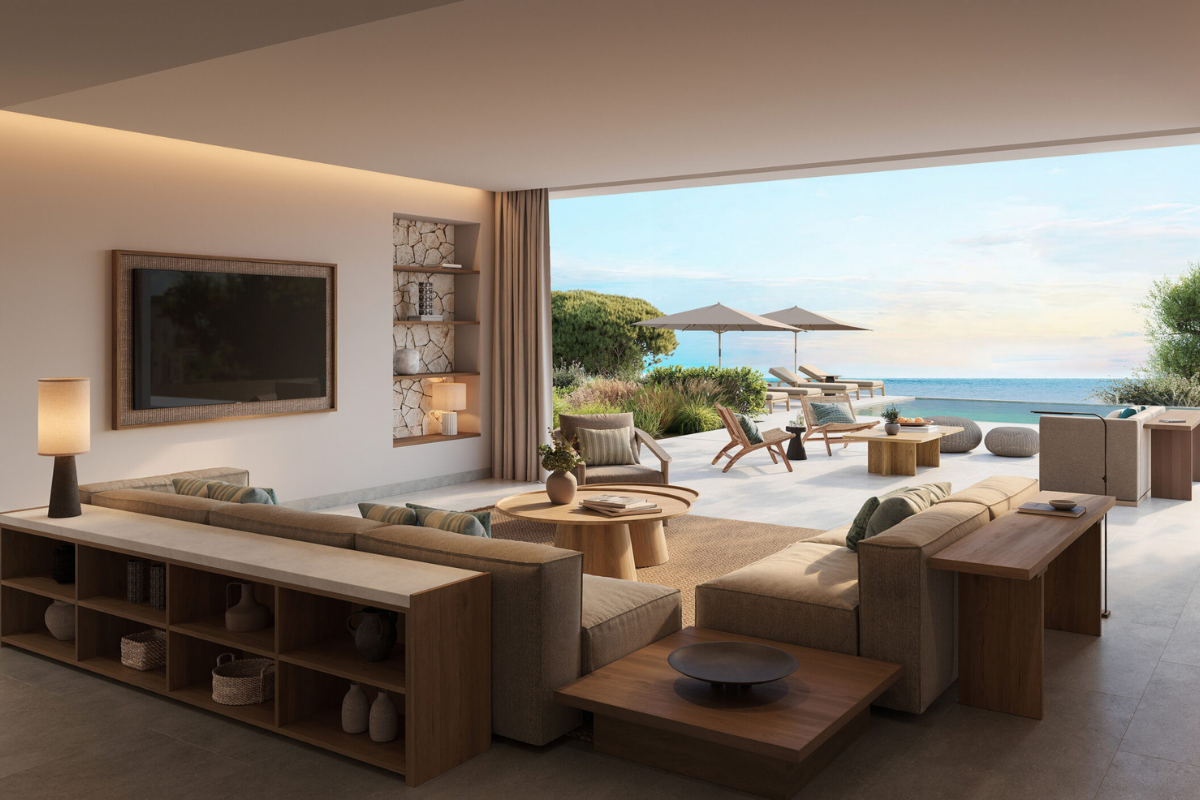
The new three and four-bedroom Deluxe Villas at Ikos Odisia bring private villa living to the luxury all-inclusive experience.
With private pools, sea views and access to the resort’s Deluxe Collection benefits, they offer a compelling option for families who want more independence without compromising on service.
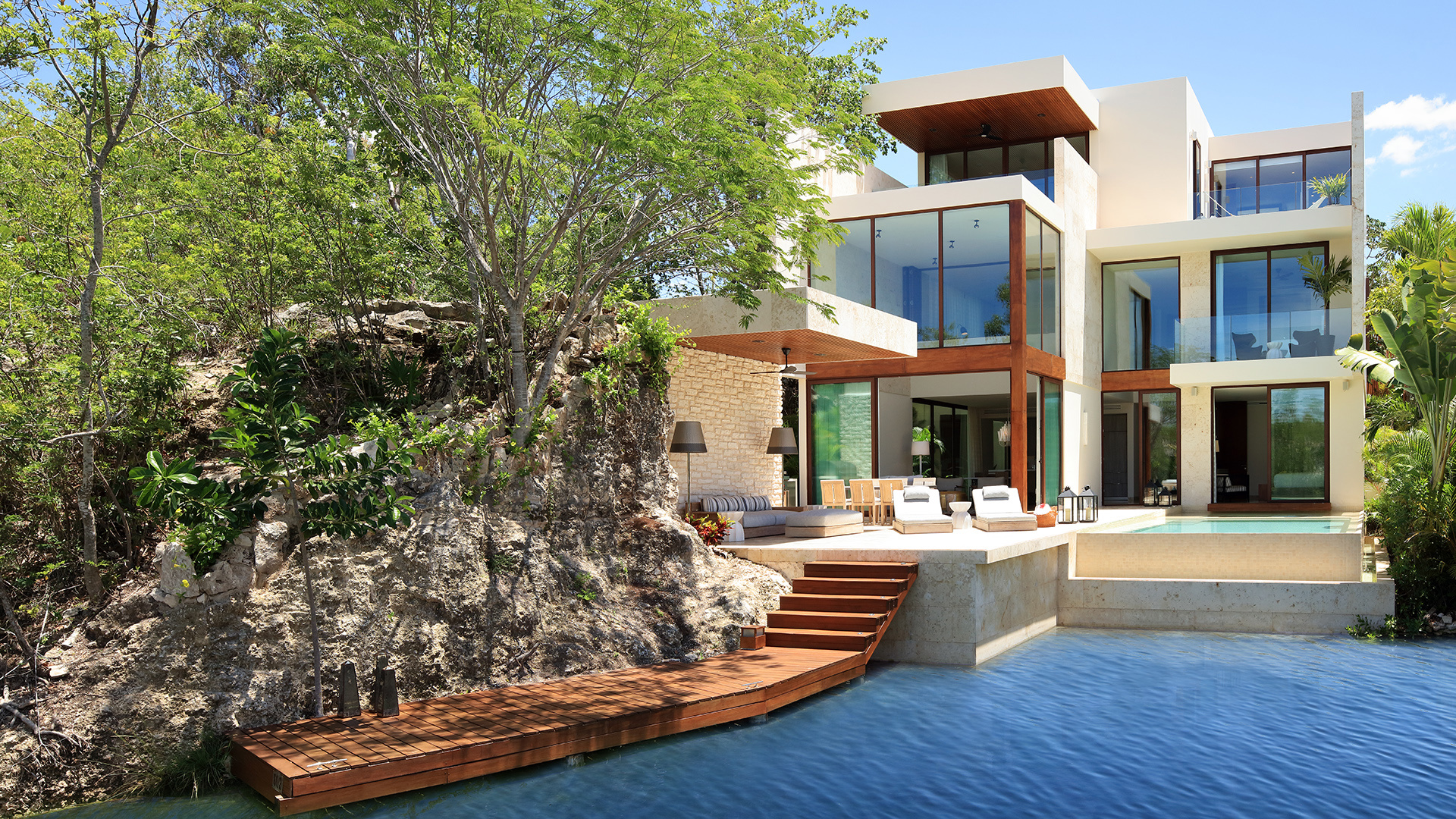
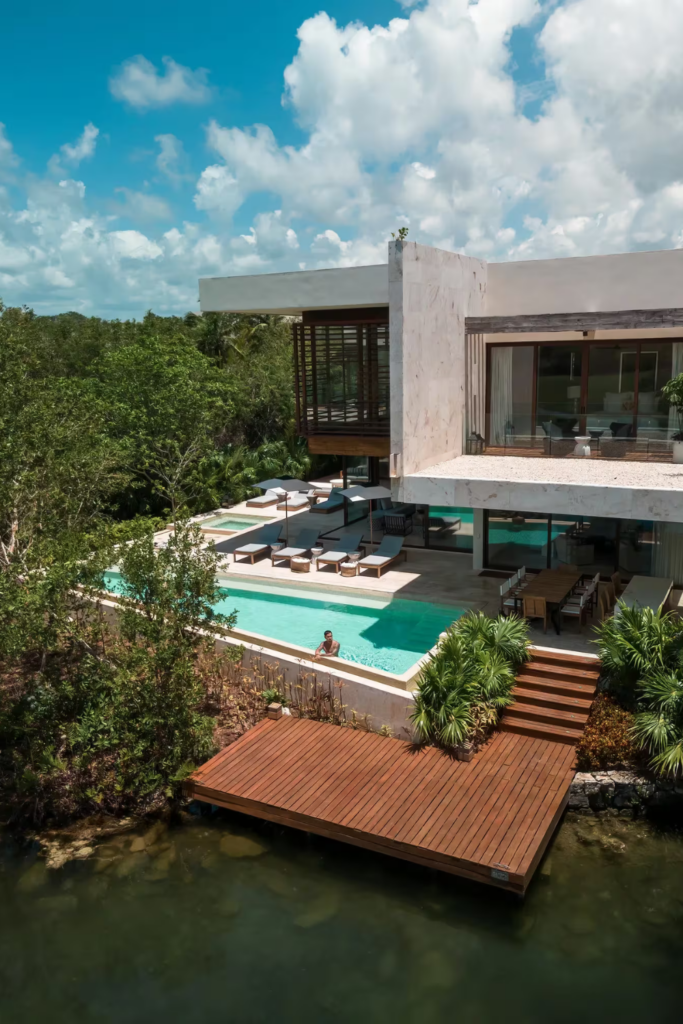
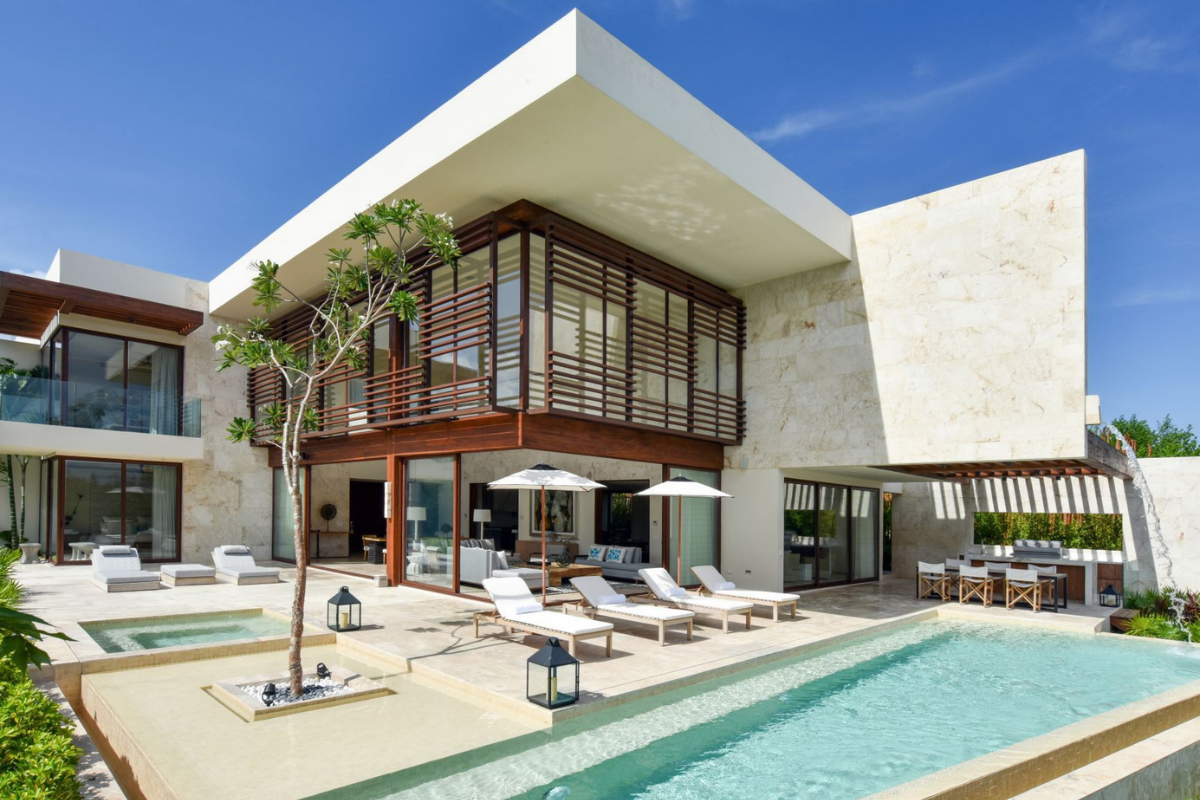
At Rosewood Mayakoba, private residences offer expansive living spaces in a spectacular setting along Mexico’s Riviera Maya.
For larger families and groups, the combination of residential privacy and Rosewood’s hospitality creates an appealing alternative to a traditional luxury hotel stay.
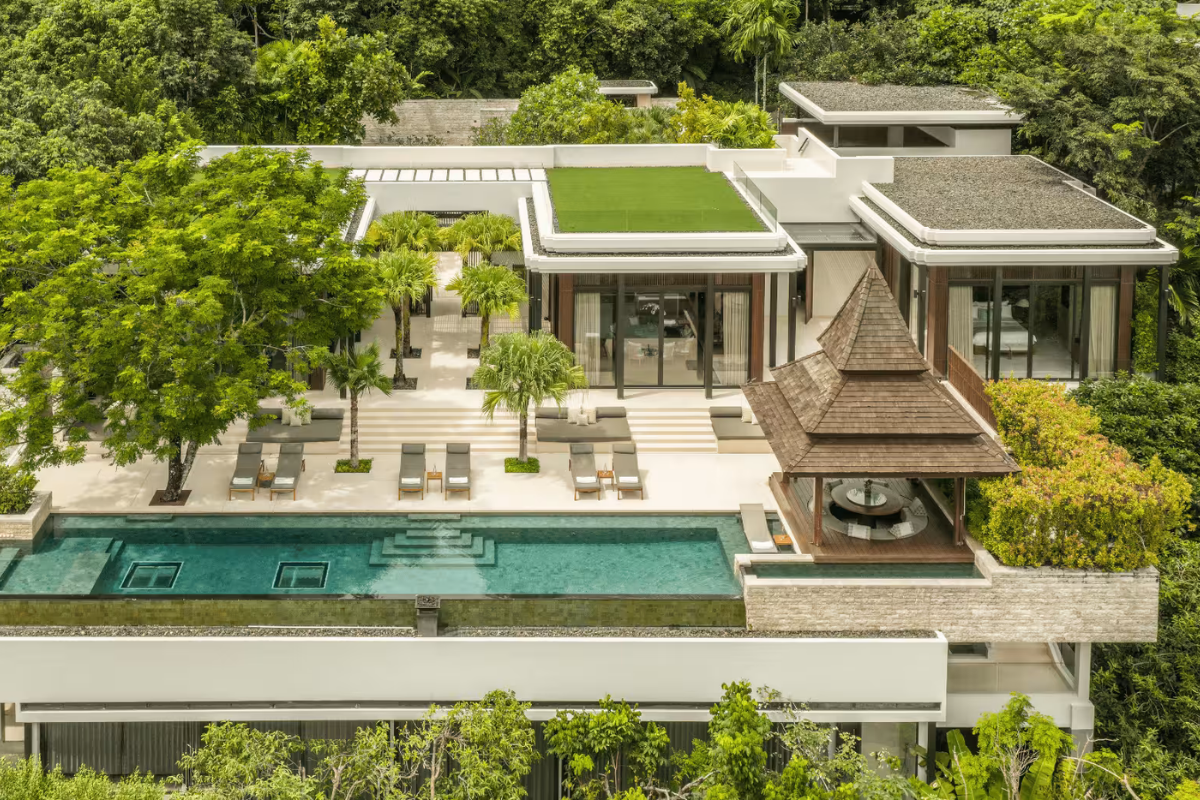
Overlooking Phuket’s coastline, Layan Residences by Anantara takes private villa living a step further.
Infinity pools, live-in butlers, in-residence Thai chefs and access to Anantara’s resort facilities bring the hotel experience directly into the residence.
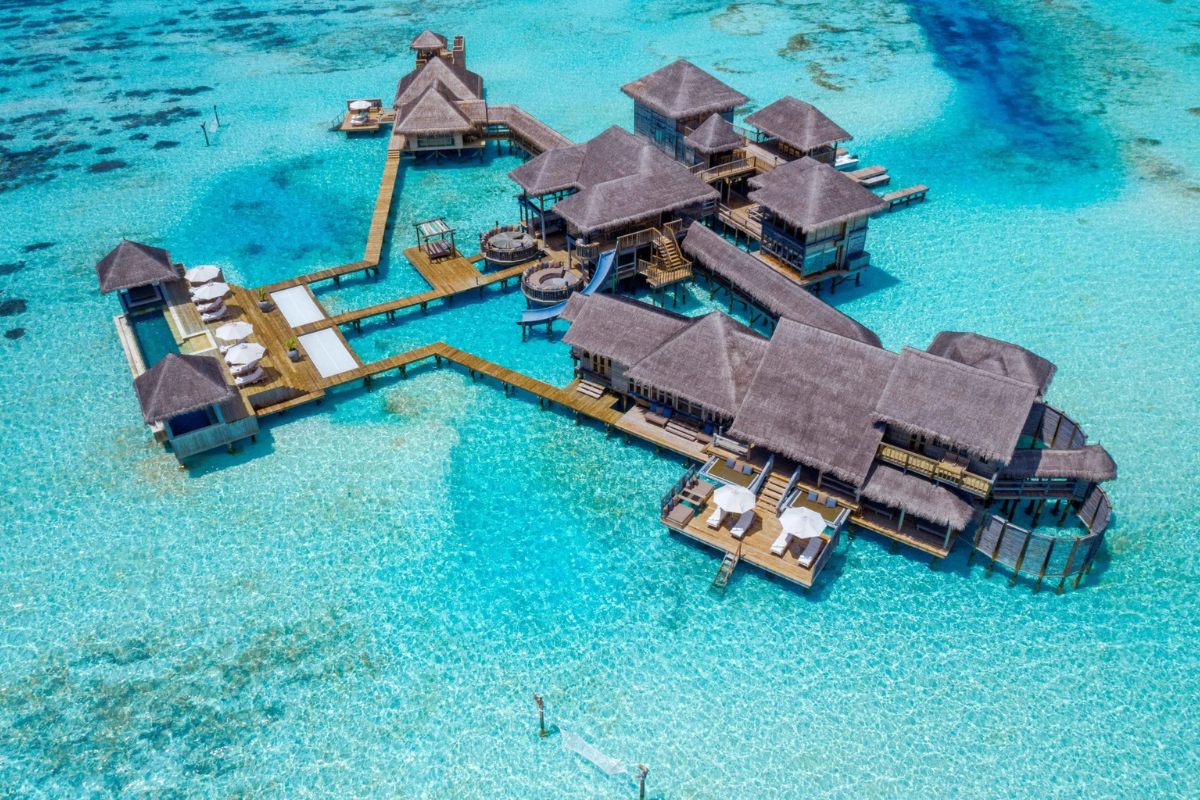
For a particularly extraordinary interpretation, Gili Lankanfushi’s Private Reserve offers an expansive overwater retreat complete with its own swimming pool, spa and cinema.
It’s less a hotel suite and more an entirely private world, with the resort’s signature Mr Friday butler service on hand.
Luxury is becoming less about the room itself and more about how travellers want to spend their time.
For some, that means bringing several generations together under one roof. For others, it’s the freedom to enjoy complete privacy while having exceptional service just beyond the front door.
Hotel residences offer the best of both worlds.
And as travellers continue to prioritise meaningful experiences, flexibility and time together, we expect this style of accommodation to become an increasingly important part of the luxury travel landscape in 2027.
At Travel Seen, we’re always exploring the destinations, properties and experiences shaping the future of luxury travel.
Been. Seen. Shared.
What is the difference between a hotel residence and a hotel suite?
A hotel residence typically offers more space and residential features such as multiple bedrooms, private living areas and sometimes a pool or kitchen, while maintaining access to hotel services.
Are hotel residences suitable for families?
Yes. Luxury hotel residences are particularly suited to families, multigenerational holidays and groups who want shared living spaces alongside private bedrooms.
Do hotel residences include hotel services?
Many offer access to housekeeping, concierge services, restaurants, spas and other hotel facilities. Specific inclusions vary by property and accommodation category.
Ready to plan?
Speak to a Travel Seen specialist and start planning your next escape →
Ready to book?
Send us an enquiry and we will get you matched to the right experience. Call or Whatsapp us on 0333 305 9912.
Why May, September and October might just be the best months to experience Europe.
For years, July and August have been the undisputed stars of the European summer. But with soaring temperatures, crowded beaches and increasingly busy destinations, travellers are beginning to question whether the height of summer really is the best time to go.
Enter shoulder season.
Traditionally considered the quieter months either side of peak summer, May, September and October are becoming increasingly desirable in their own right.
For luxury travellers, the appeal is obvious. Beautiful Mediterranean weather, exceptional hotels and a noticeably slower pace, often without the intensity of midsummer.
Perhaps the future of European summer travel isn’t about discovering somewhere new. It’s about experiencing somewhere familiar at a completely different time of year.
Shoulder season refers to the periods immediately before and after a destination’s busiest travel months. Across much of southern Europe, this typically means spring and early autumn.
While more attractive hotel rates and greater availability can certainly be part of the appeal, the real luxury is often something much simpler.
Wandering through a beautiful Italian town without the crowds. Finding a table at that restaurant everyone’s talking about. Enjoying a stretch of coastline when the pace has become noticeably more relaxed.
It’s a different approach to luxury travel, where the experience matters just as much as the destination.
And as travellers become more conscious of extreme summer temperatures and overcrowding, choosing when to travel is becoming every bit as important as choosing where.
Each shoulder-season month offers something slightly different.
May is particularly appealing for exploring Europe beyond the beach. Think longer days, landscapes in bloom and destinations coming to life ahead of summer. Although Mediterranean sea temperatures can still be fresh, it’s a wonderful time for cultural escapes, coastal walks and countryside retreats.
September offers the best of both worlds. The Mediterranean has spent months warming up, beach clubs and restaurants are generally still open and many destinations become quieter once the school holidays end.
October makes a compelling case for extending summer even further. Particularly in the eastern Mediterranean, pleasantly warm temperatures and inviting seas can continue well into autumn.
The secret is choosing the right destination for the month rather than assuming the traditional summer calendar applies everywhere.
Some of Europe’s most beautiful destinations reveal an entirely different side of themselves outside peak summer.
Rome in October is a very different experience from Rome in August. More comfortable temperatures make exploring its historic piazzas, neighbourhood trattorias and cultural landmarks considerably more enjoyable.
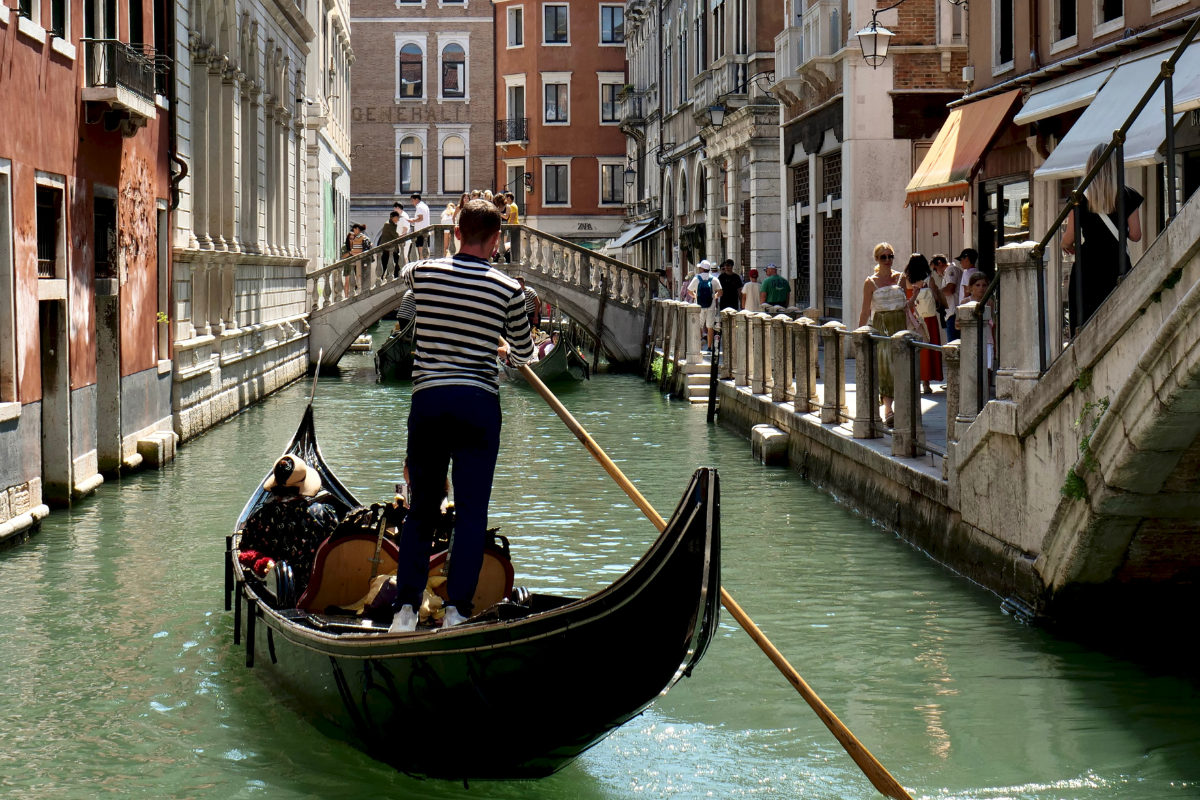
Florence and Venice are equally appealing outside the height of summer, while further south, Sicily combines beautiful coastlines, Baroque towns, vineyards and exceptional food.
For travellers who love culture, gastronomy and discovering somewhere beyond the hotel, Italy is particularly rewarding during shoulder season.
For those looking to extend summer well into autumn, Cyprus is one of the Mediterranean’s strongest contenders.
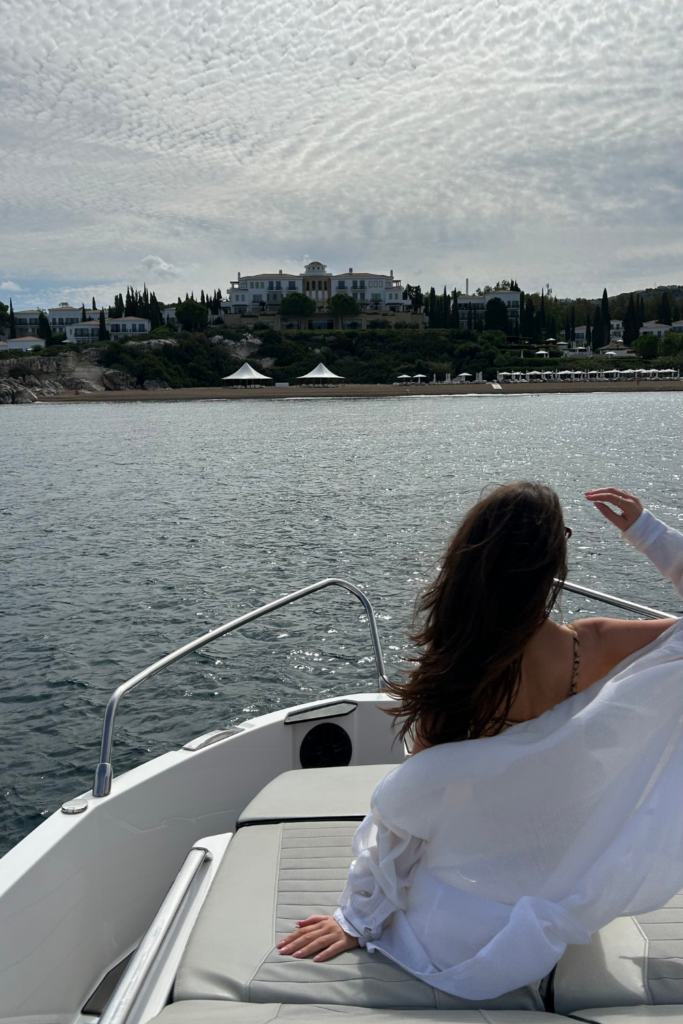
Our recent Travel Seen visit to Anassa, Annabelle and Almyra was a lovely reminder of just how appealing the island can be in October.
With warm seas, beautiful coastal scenery and plenty to discover beyond the beach, Cyprus offers the opportunity to enjoy a luxury Mediterranean holiday long after the traditional summer season has ended.
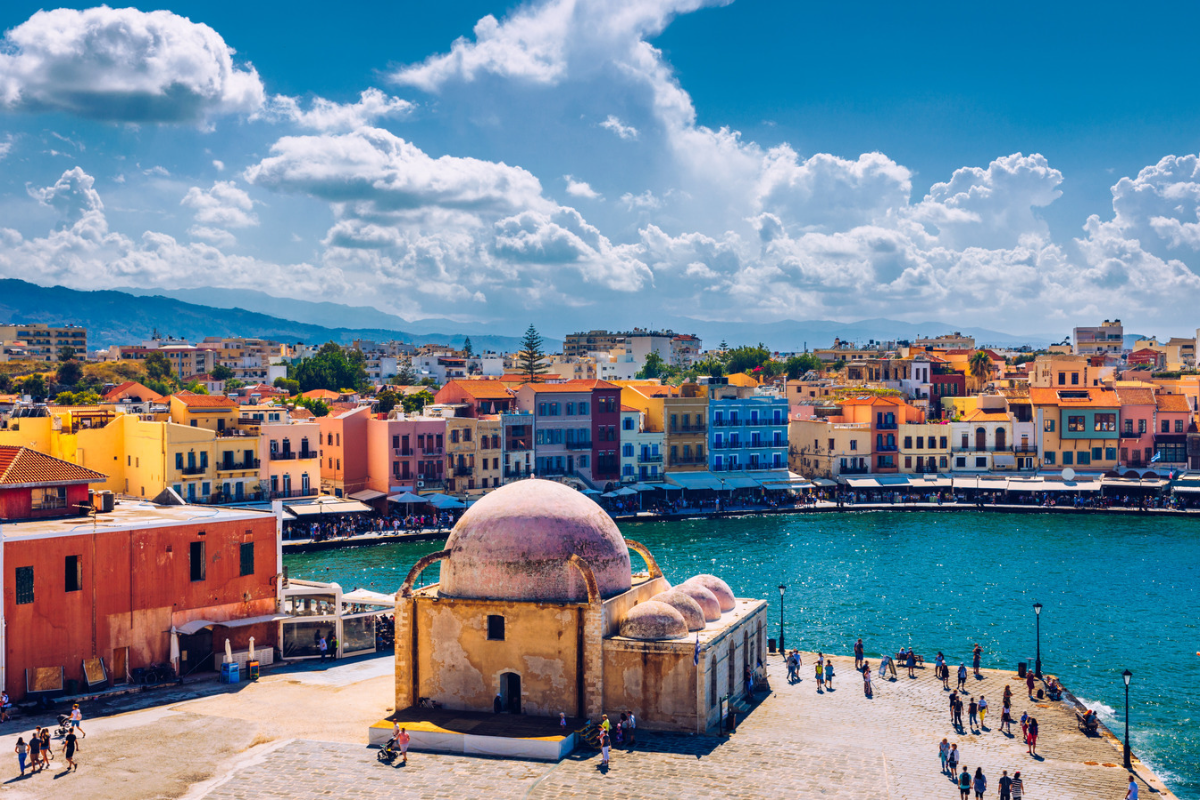
Greece’s largest island is another excellent choice for early autumn.
The sea is often still beautifully warm, while more comfortable temperatures make exploring Crete’s traditional villages, Venetian harbours and exceptional food scene particularly enjoyable.
It’s a destination that offers far more than beautiful beaches.
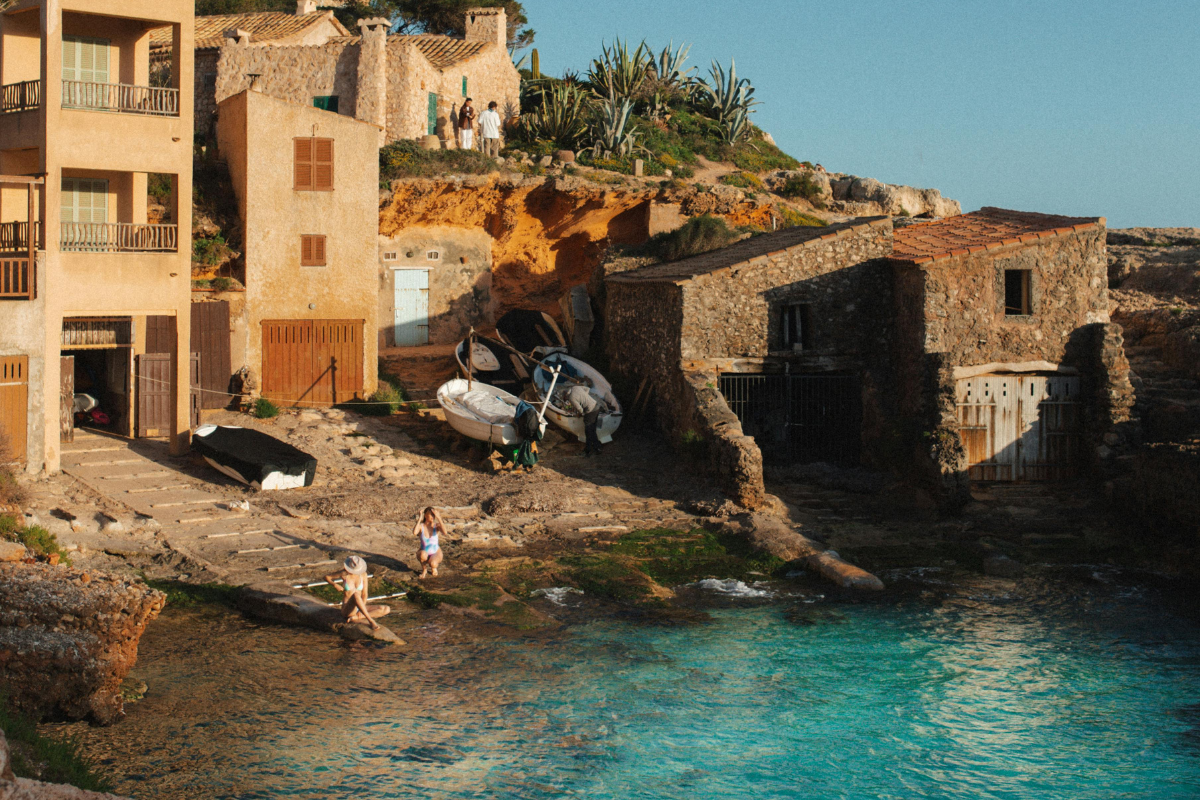
Mallorca reveals a different side of itself in spring and early autumn.
Think scenic coastal drives, mountain villages, hidden coves and long lunches overlooking the Mediterranean.
May is particularly lovely for discovering the island’s countryside and villages, while September is ideal for combining warm seas with a gentler atmosphere.
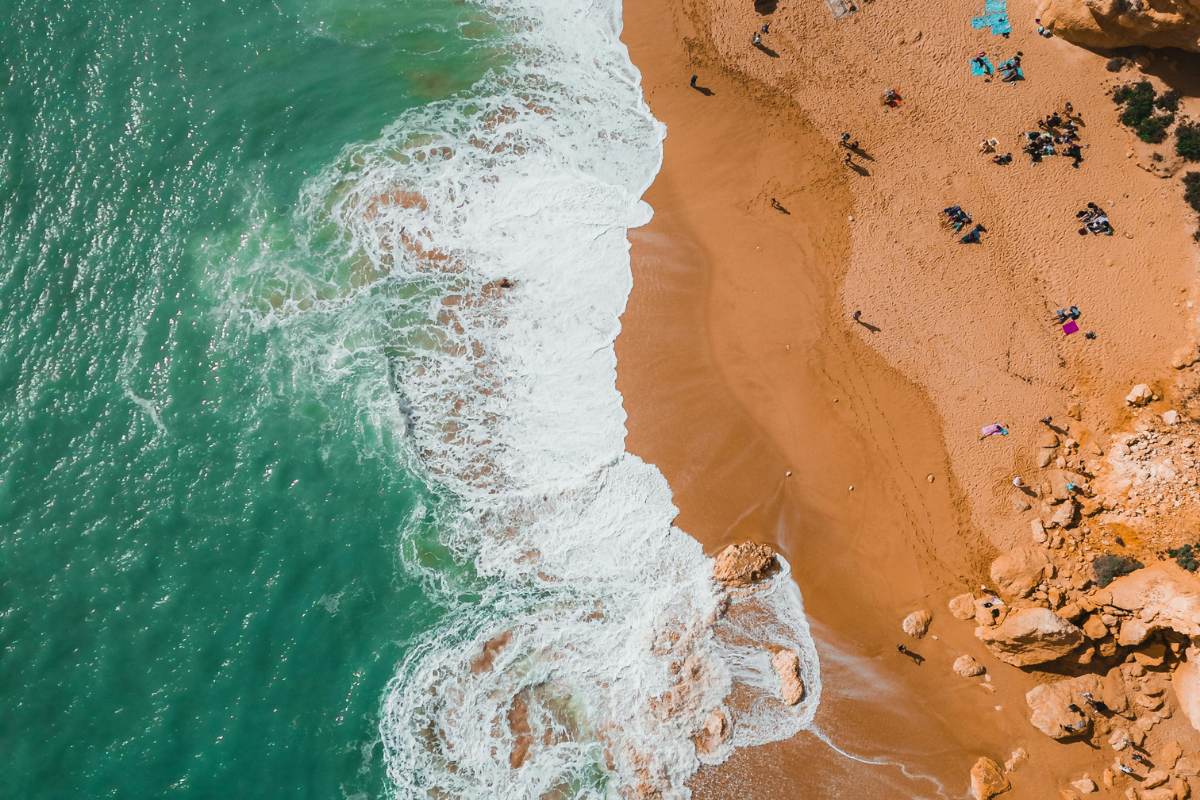
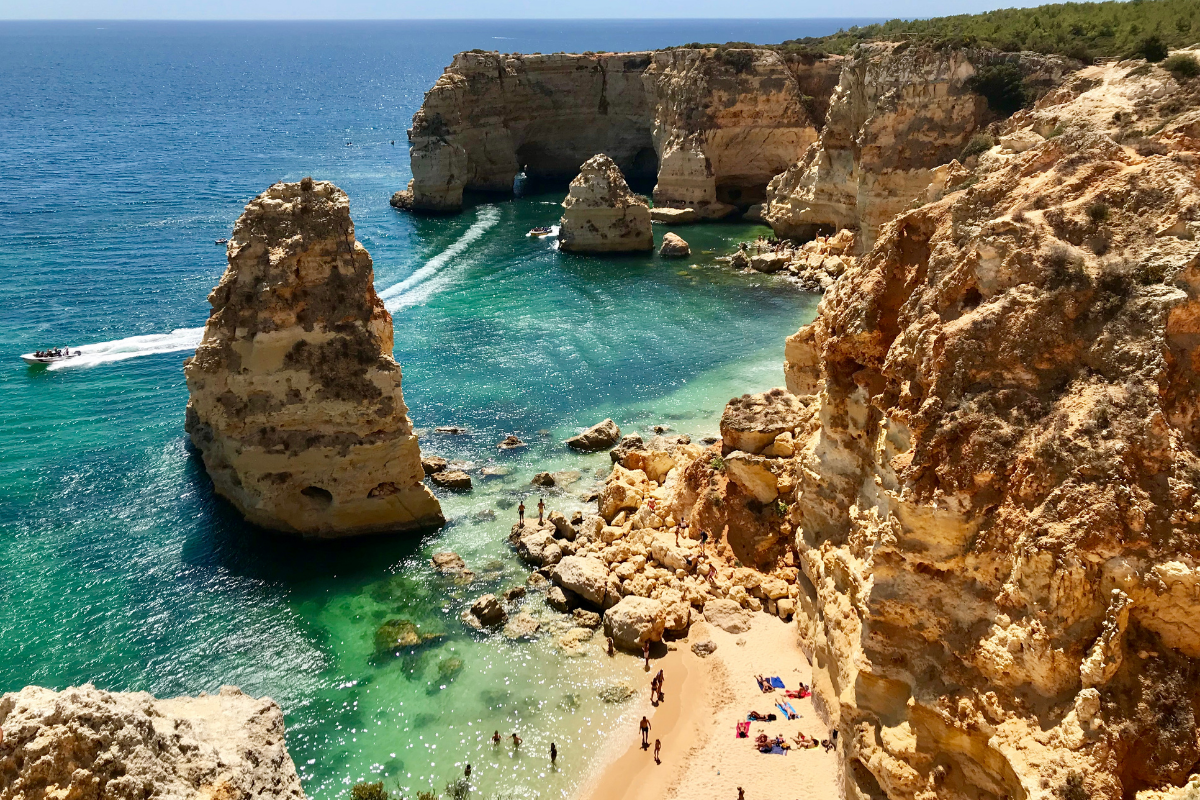
Portugal’s Algarve comes into its own outside the height of summer.
Golden beaches, dramatic clifftop walks and leisurely seafood lunches overlooking the Atlantic offer plenty of reasons to visit in spring or early autumn.
September is especially appealing for those wanting a traditional beach holiday without quite so much of the peak-season rush.
Beyond the weather, travelling outside peak summer can offer greater flexibility with hotel availability, more choice when it comes to room categories and potentially more attractive rates.
But perhaps the greatest appeal is simply experiencing a destination when everything feels a little less hurried.
Of course, July and August will always have their place, particularly for families travelling around school holidays. And shoulder season isn’t without its considerations, from changing weather to seasonal hotel and restaurant closures.
But for those with the flexibility to travel at other times, the traditional holiday calendar is becoming increasingly less relevant.
Luxury travel is no longer simply about visiting the most desirable places. It’s about knowing when those places are at their best.
When is shoulder season in Europe?
Shoulder season generally falls in April–May and September–October, although timings vary depending on the destination.
Where is warm in Europe in October?
Cyprus is one of the best options for late-season Mediterranean warmth. Crete and Sicily can also offer pleasant autumn weather, although conditions are more variable.
Is September a good time for a Mediterranean holiday?
Yes. September is particularly appealing because sea temperatures often remain warm after summer while many popular destinations become noticeably quieter.
Are luxury holidays cheaper during shoulder season?
They can be. Some hotels offer more attractive rates and greater availability outside peak summer, although this depends on the destination, property and travel dates.
Perhaps the most interesting shift in European travel isn’t where we’re choosing to go, but when.
A quieter coastline, a beautiful hotel with more room to breathe or an afternoon exploring somewhere without the midsummer heat can transform an experience entirely.
Summer, it seems, no longer needs to begin in July or end in August.
Ready to plan?
Speak to a Travel Seen specialist and start planning your next escape →
Ready to book?
Send us an enquiry and we will get you matched to the right experience. Call or Whatsapp us on 0333 305 9912.
From legendary hotels to a new generation of all-inclusive resorts, this year’s results reveal a more personal approach to luxury travel.
Every year, the Condé Nast Traveller Readers’ Choice Awards offer an interesting insight into the places making the greatest impression on travellers around the world.
The 2026 results have now been revealed, recognising the best hotels, resorts, destinations and travel experiences as voted for by readers themselves.
Unlike an editorial list of the latest openings or the destinations tipped to become the next big thing, these awards reflect real travel experiences. They recognise the places people have visited, loved and would recommend to others.
And looking at this year’s winners, one thing becomes particularly apparent, there is no longer a single definition of luxury travel.
From historic city hotels and secluded Mediterranean retreats to all-inclusive resorts and extraordinary wilderness experiences, the results reflect the increasingly individual ways we choose to travel.
So, which names came out on top? And what do the Condé Nast Traveller Readers’ Choice Awards 2026 tell us about the future of luxury holidays?
Some of the most interesting results come from the hotel categories, where established names continue to hold their own against an ever-growing collection of new luxury properties.
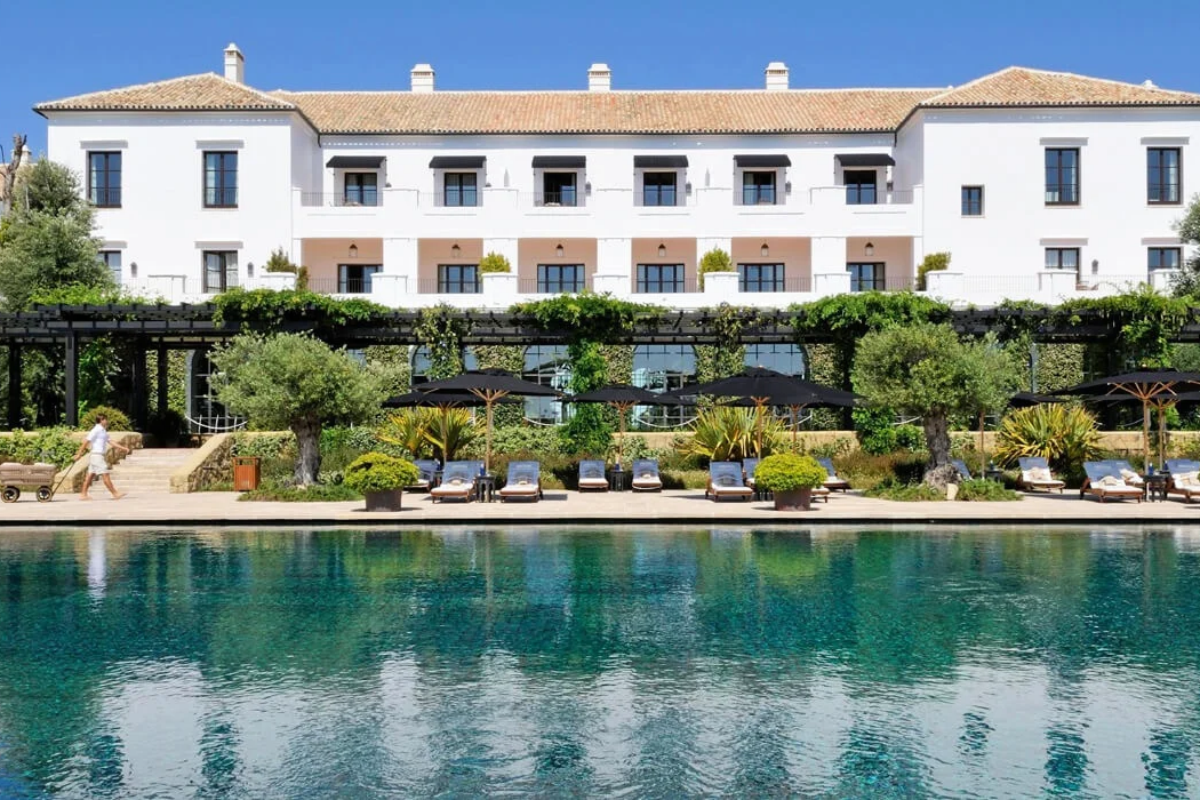
Set among the rolling hills of Andalucía, Finca Cortesín is one of Spain’s most celebrated luxury hotels.
Its appeal lies in an understated approach to Mediterranean luxury. Think beautiful gardens, spacious suites, exceptional restaurants and a world-class golf course, all within a setting that feels a world away from the busier resorts of the Costa del Sol.
Its recognition in the 2026 awards demonstrates the enduring appeal of hotels that prioritise space, privacy and attention to detail.
Rather than constantly introducing something new, Finca Cortesín has built its reputation around consistently delivering an exceptional experience.
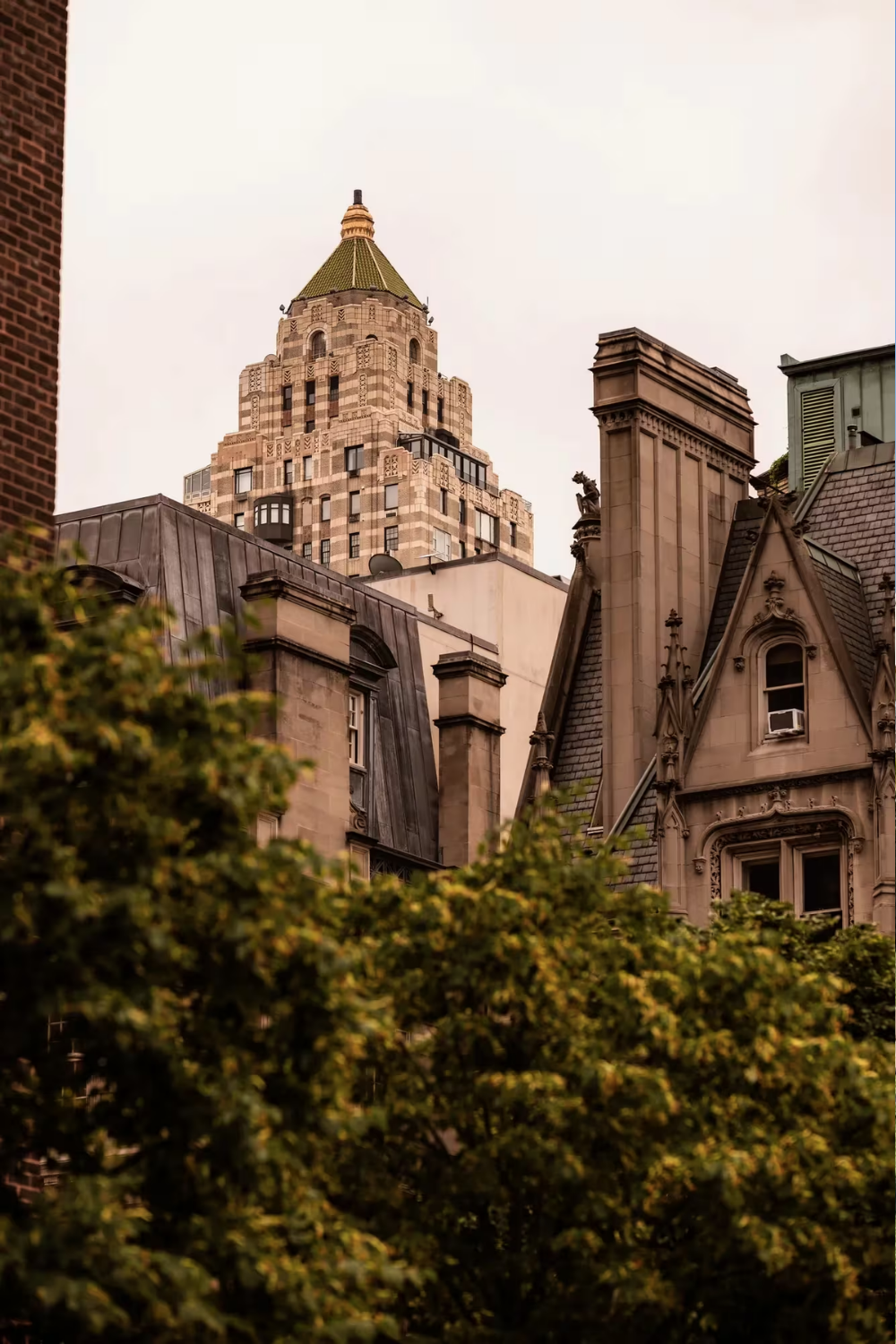
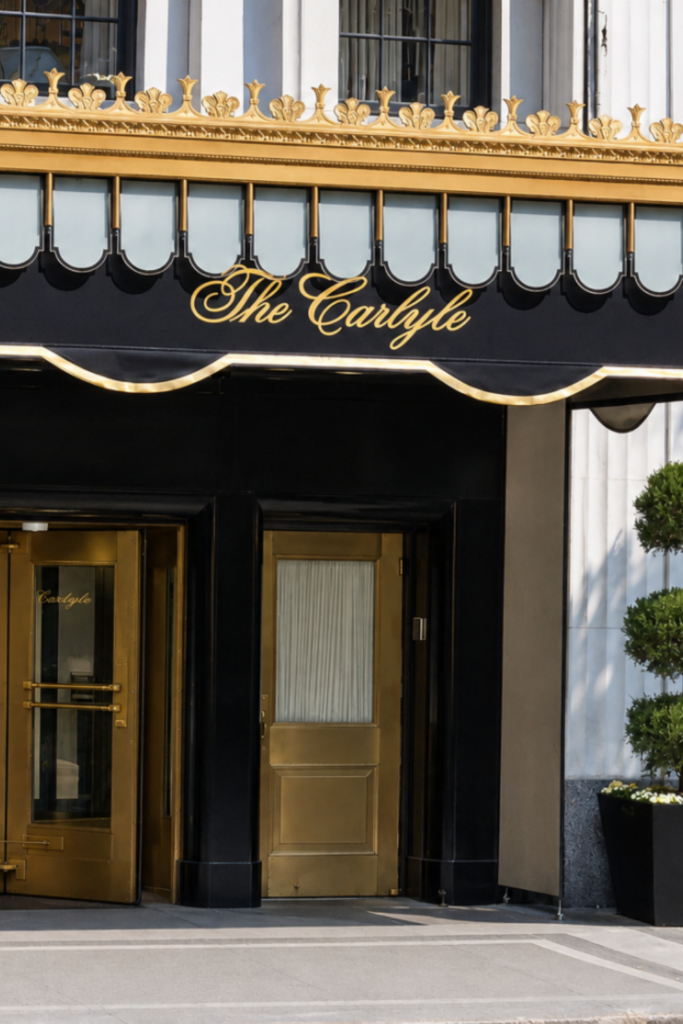
There are few hotels more closely associated with New York than The Carlyle.
An Upper East Side institution, the hotel is known for its Art Deco interiors, discreet hospitality and rich cultural history.
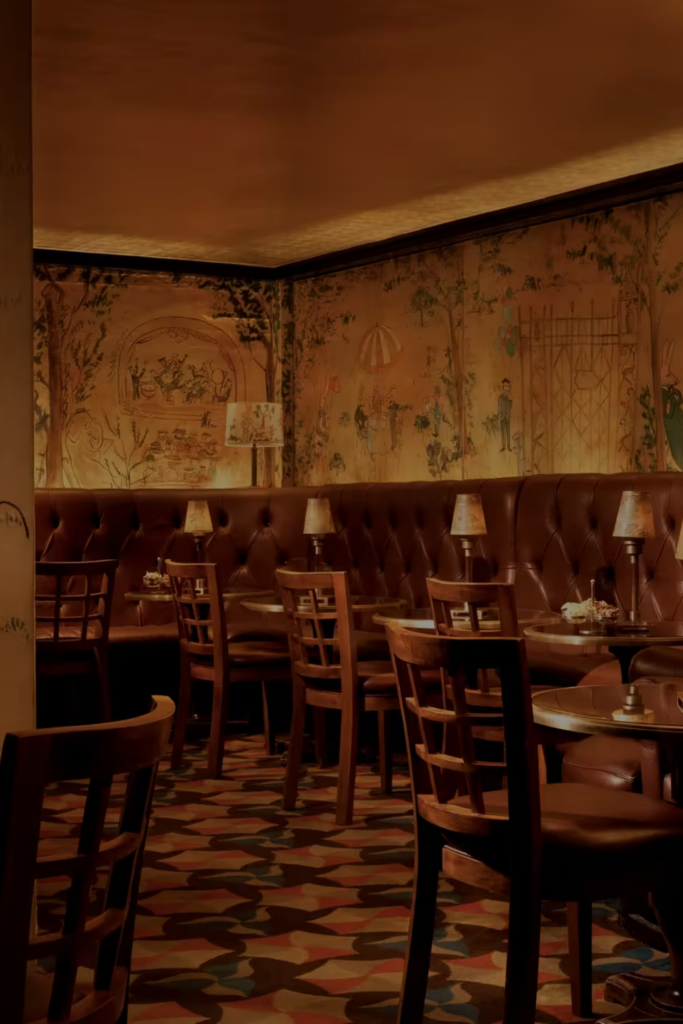
Its legendary Bemelmans Bar and Café Carlyle have welcomed generations of New Yorkers and international visitors, contributing to a personality that extends well beyond the hotel’s rooms and suites.
In a city where new luxury hotels regularly compete for attention, The Carlyle’s continued success suggests that heritage and atmosphere remain powerful attractions.
For some travellers, luxury isn’t about discovering somewhere new. It’s about returning somewhere that already feels special.
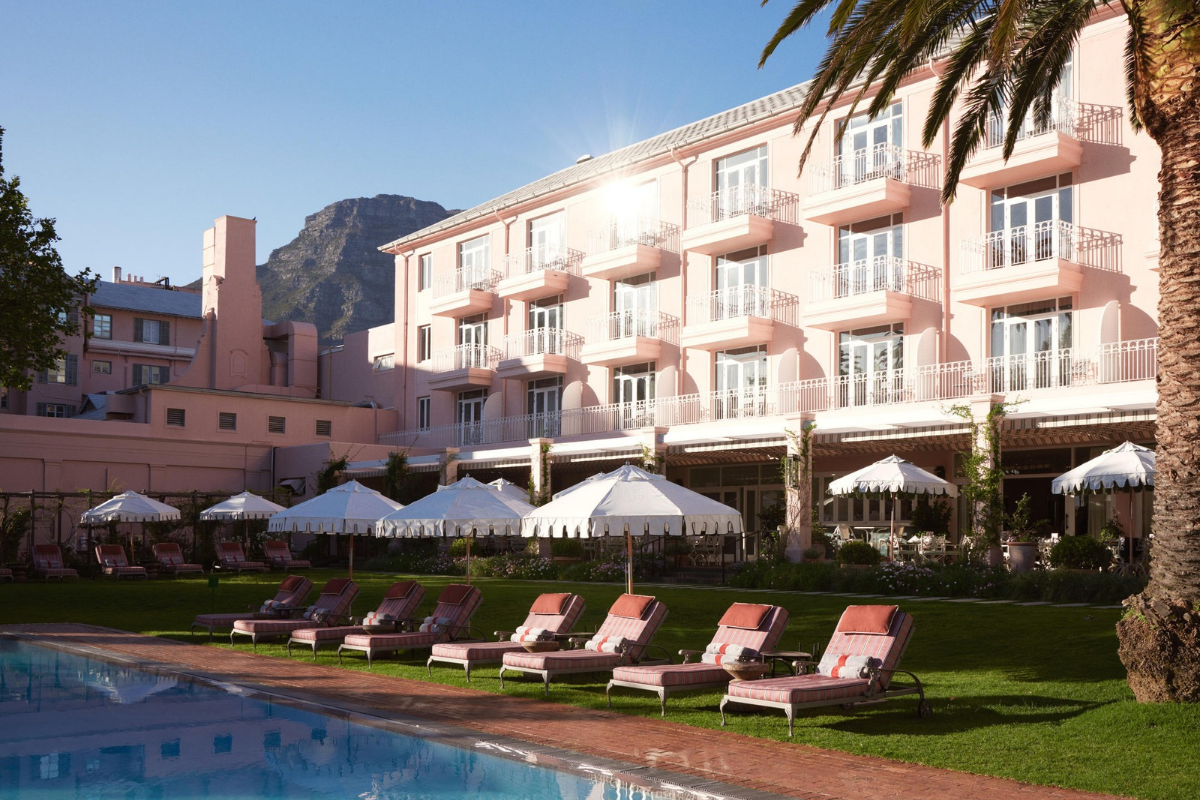
Cape Town’s Mount Nelson offers another example of the enduring appeal of a heritage hotel.
Instantly recognisable for its pink exterior, the property has welcomed visitors for more than a century and remains one of South Africa’s most celebrated addresses.
Its expansive gardens, mountain views and established traditions give it a distinctive sense of place.
While contemporary luxury properties continue to open across Africa, Mount Nelson demonstrates that character, history and a recognisable style of hospitality still resonate with travellers.
If the hotel winners celebrate heritage and established reputations, the resort categories reveal a broader interpretation of what a luxury holiday can look like.
From highly personalised wilderness experiences to contemporary all-inclusive escapes, the variety is striking.
One of the most interesting results is the recognition of Ikos Odisia as the best resort in Greece.
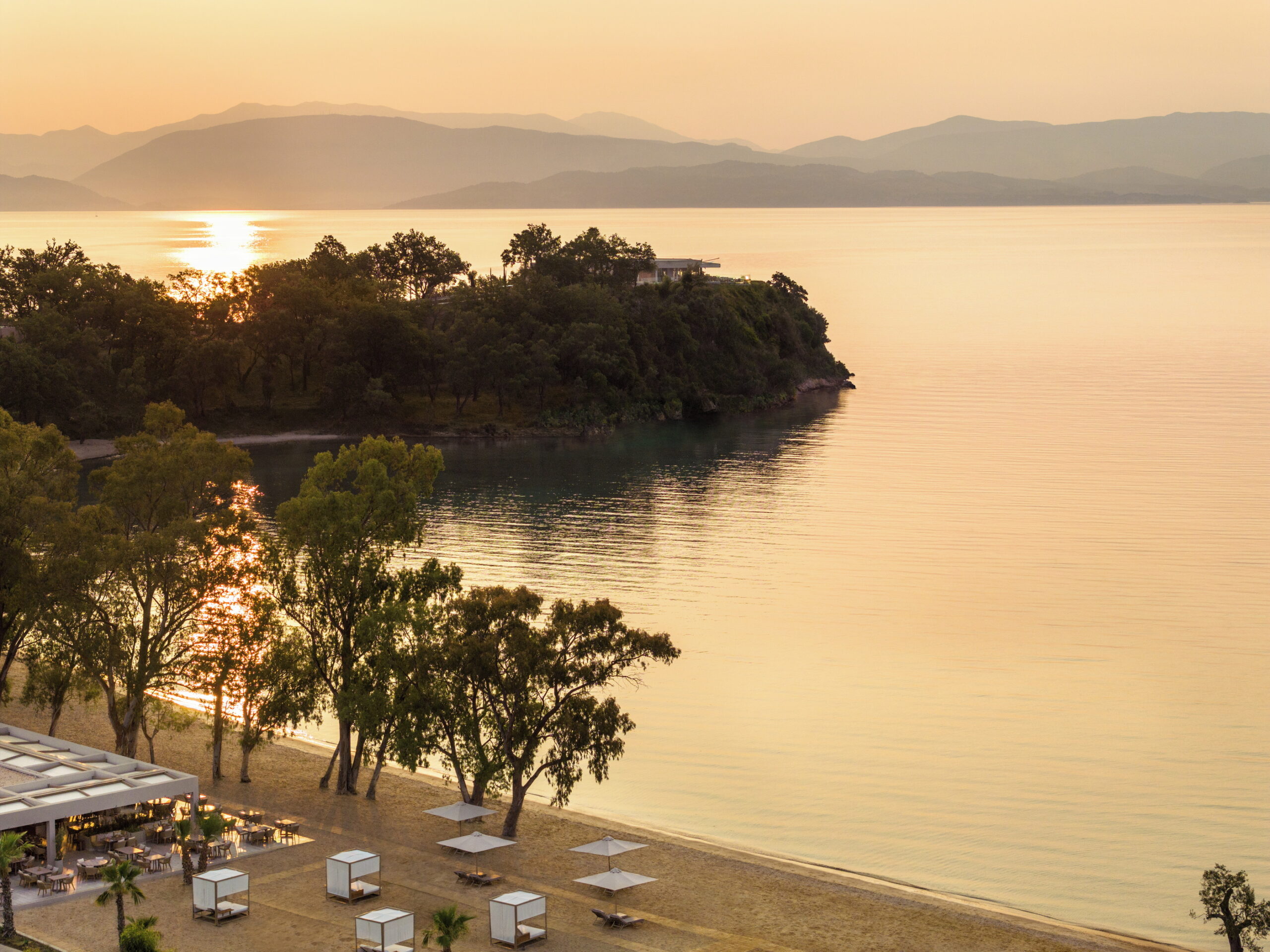
Set on Corfu’s coastline, the resort represents a new generation of premium all-inclusive holidays, where outstanding dining, beautiful accommodation and carefully curated experiences come together within one inclusive offering.
The Ikos concept challenges many of the traditional associations with all-inclusive resorts.
Rather than being defined primarily by convenience, the experience places considerable emphasis on quality, from à la carte restaurants and premium drinks to personalised hospitality and experiences beyond the resort.
Its success highlights how much the luxury all-inclusive market has evolved.
For travellers who value exceptional service without constantly having to think about the details, this approach has considerable appeal.
And as expectations surrounding all-inclusive holidays continue to rise, resorts such as Ikos Odisia are increasingly competing with traditional five-star hotels on the overall quality of the experience.
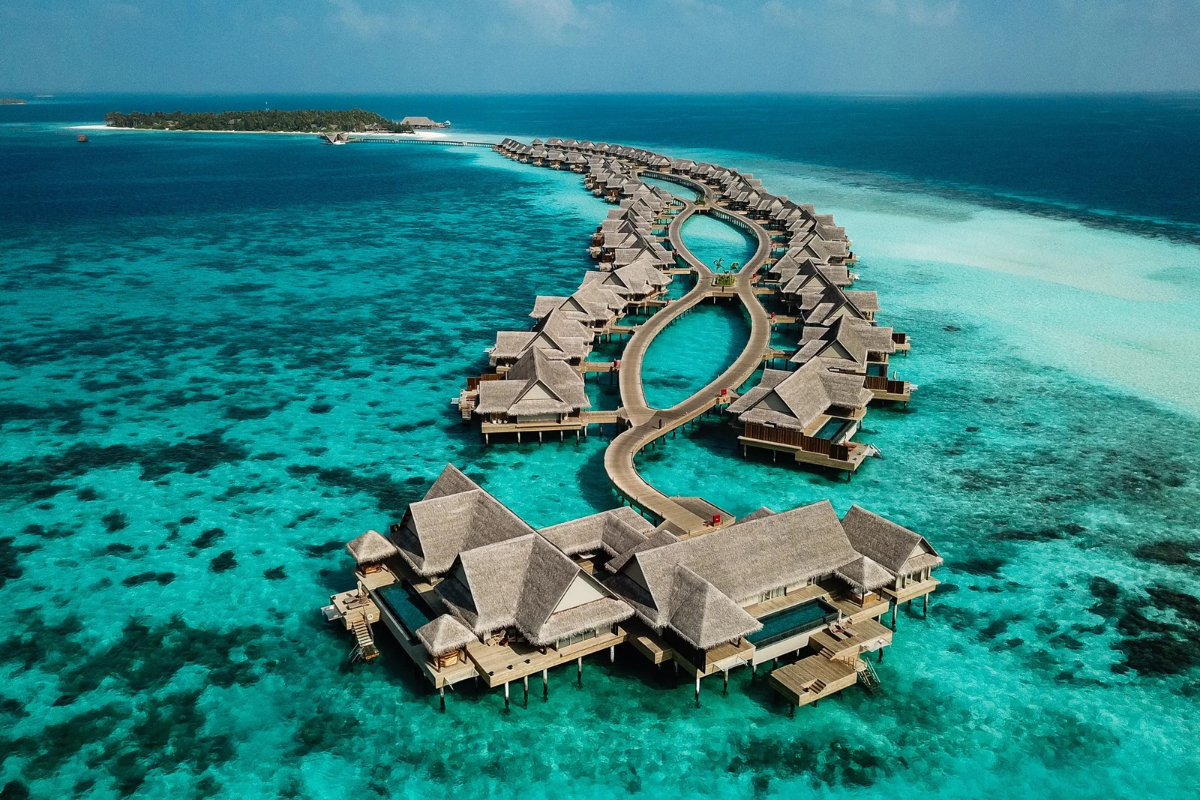
The Maldives has long been synonymous with luxury travel, but JOALI brings a particularly distinctive perspective to the destination.
Located on Muravandhoo Island, the resort combines extraordinary natural surroundings with a strong emphasis on art, architecture and design.
Its overwater and beachfront villas are complemented by carefully considered creative experiences, giving the property an identity beyond the familiar imagery of turquoise lagoons and white-sand beaches.
JOALI’s recognition reflects a growing appetite for luxury resorts with a personality of their own.
A spectacular location remains important, but increasingly travellers are looking for something beyond the view.
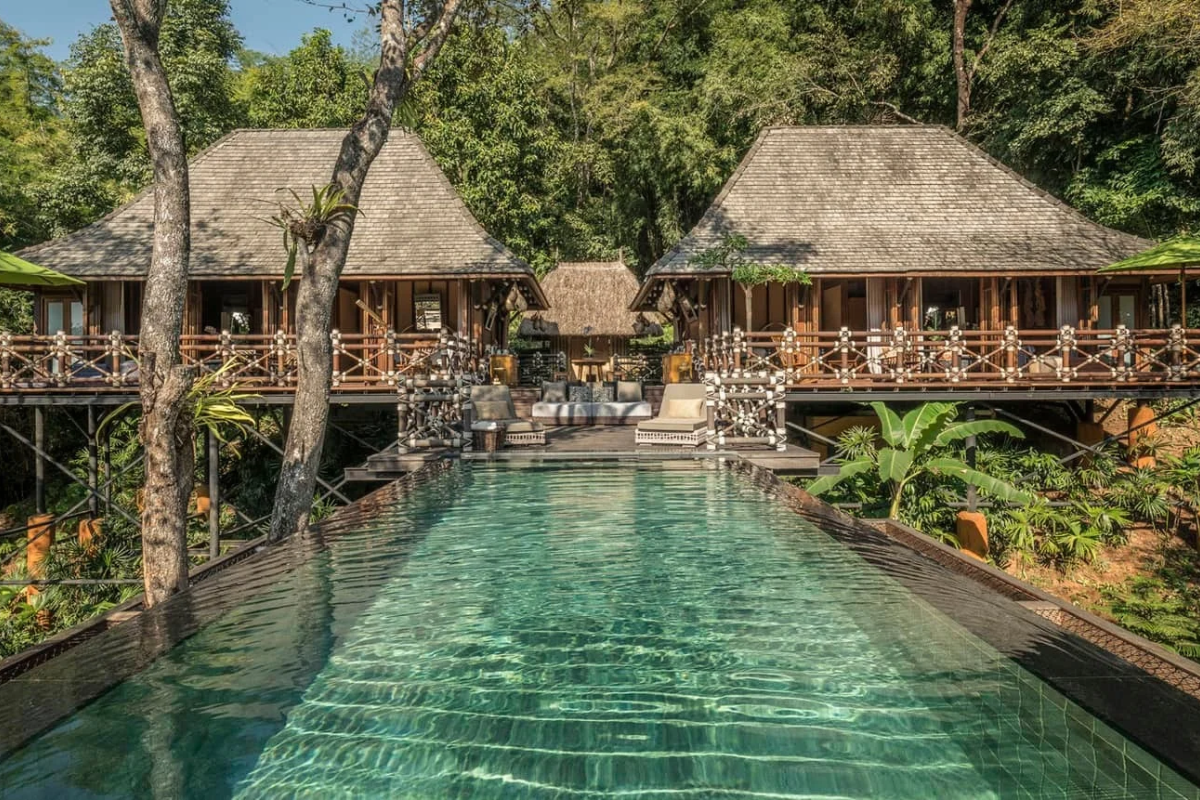
In northern Thailand, Four Seasons Tented Camp Golden Triangle offers an entirely different interpretation of luxury.
Surrounded by bamboo forests and overlooking the landscapes where Thailand, Laos and Myanmar meet, the property combines tented accommodation with immersive experiences in an extraordinary natural setting.
Here, luxury is less about grand hotel lobbies and more about privacy, adventure and a connection to the surrounding environment.
It’s the kind of experience that illustrates why luxury travel has become difficult to define through traditional categories alone.
For one traveller, the ideal holiday might involve a beachfront villa in the Maldives. For another, it could be a tented retreat in the Thai wilderness.
Both can deliver an exceptional experience, but for entirely different reasons.
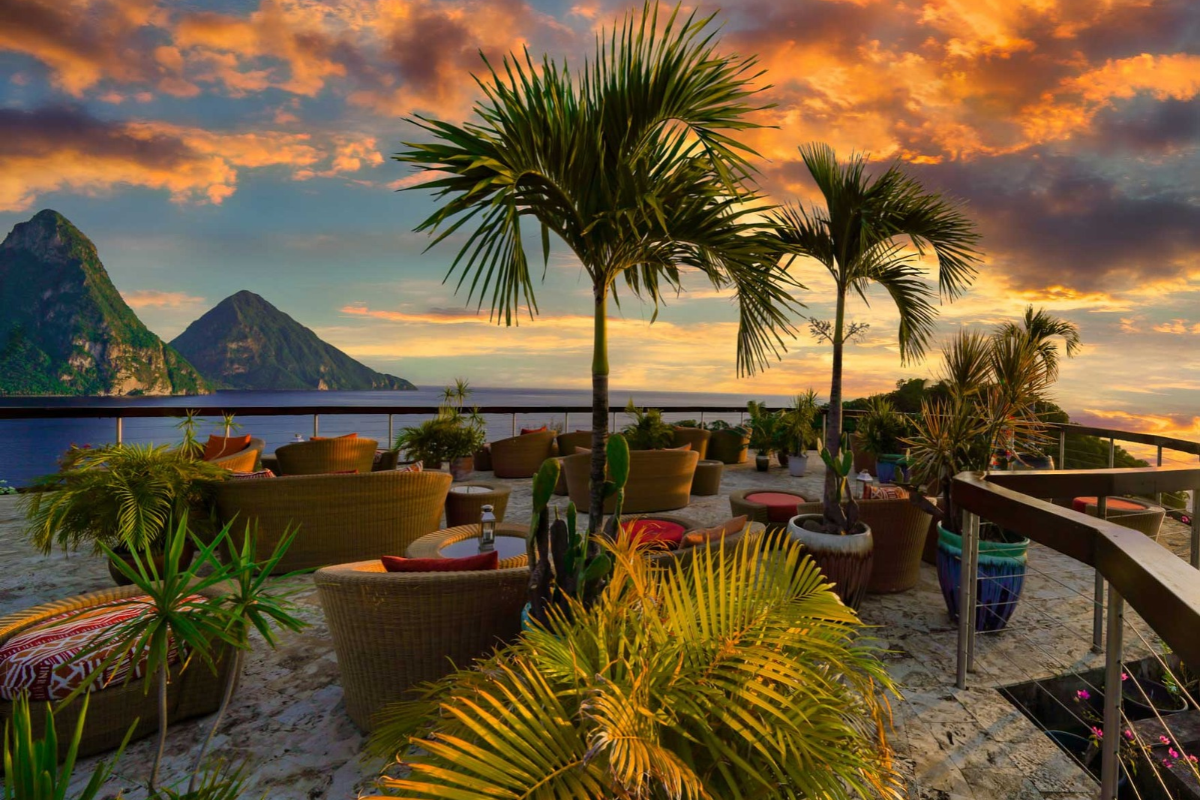
Perched above St Lucia’s dramatic coastline, Jade Mountain is famous for its extraordinary views towards the Pitons and its open-air sanctuary suites.
The architecture is designed around the surrounding landscape, with expansive spaces that blur the boundaries between the accommodation and the natural environment.
Private infinity pools and an emphasis on seclusion make it particularly appealing to couples seeking a memorable escape.
Its recognition reinforces the appeal of properties that offer a genuine sense of escape, where the location itself becomes a defining part of the experience.
The Condé Nast Traveller Readers’ Choice Awards extend well beyond individual hotels and resorts.
The destination results are equally interesting, particularly for anyone considering where to travel in 2027.
Greece was voted the best country in the world, reinforcing its continued popularity among travellers seeking everything from island escapes and historic cities to outstanding food and contemporary luxury resorts.
Meanwhile, Bangkok was named the world’s best city, reflecting the enduring appeal of a destination known for its dynamic restaurant scene, cultural attractions and impressive collection of luxury hotels.
For winter travel, Zermatt in Switzerland was recognised as Europe’s best ski resort.
With the Matterhorn providing one of the world’s most recognisable mountain backdrops, Zermatt combines exceptional skiing with mountain restaurants, luxury chalets and a beautiful car-free village.
These results demonstrate the breadth of experiences that travellers continue to value.
The perfect destination might be a Mediterranean island, an energetic capital city or an alpine village. What matters increasingly is how well it matches the experience someone wants from their holiday.
One of the most valuable things about the Readers’ Choice Awards is whose opinions they represent.
These aren’t predictions about the next big destination or simply a showcase of the latest openings. They’re a reflection of real travel experiences and the places that have made a lasting impression.
And with so many extraordinary hotels and destinations to choose from, the challenge isn’t necessarily finding somewhere five-star.
It’s finding somewhere that’s right for you.
That’s where recommendations from fellow travellers and advice from people who know these destinations personally become particularly valuable.
Because sometimes, the people who’ve already been and seen really are the best people to ask.
At Travel Seen, we explore the people, places and ideas shaping how we travel. When inspiration turns into plans, our specialist travel advisors across the Travel Seen Group can help create a holiday tailored to you.
Thinking about your next trip?
Speak to a Travel Seen specialist and start planning your next escape →
Ready to book?
Send us an enquiry and we will get you matched to the right experience. Call or Whatsapp us on 0333 305 9912.
From Courchevel and Versailles to Venice and now St Barth, Airelles is quietly becoming one of the most interesting names in ultra-luxury hospitality. Here’s why it’s firmly on our radar.
There’s one hotel name that keeps cropping up at Travel Seen.
Airelles.
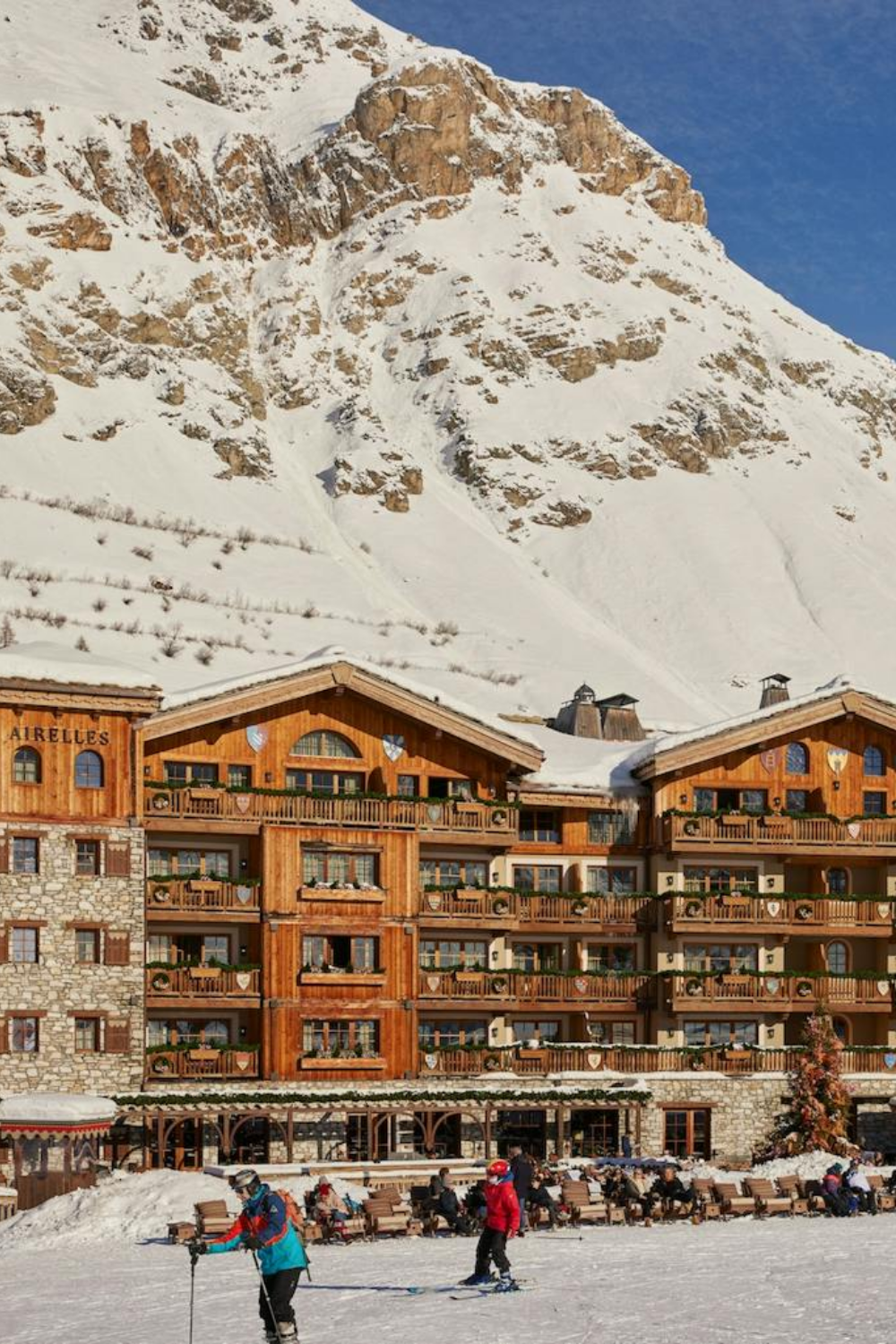
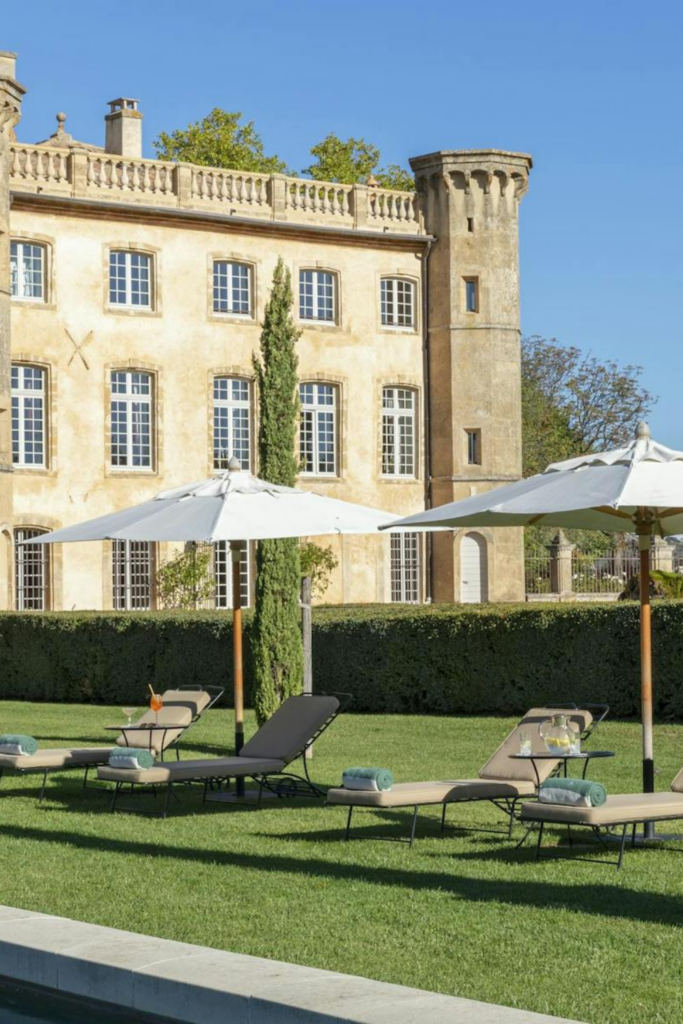
For those already familiar with the upper reaches of French luxury hospitality, it won’t be a new name. The collection includes Les Airelles in Courchevel, Airelles Val d’Isère, La Bastide in Gordes, Château de La Messardière and Pan Deï Palais in Saint-Tropez and Le Grand Contrôle within the grounds of Versailles.
It is a relatively small portfolio, particularly when compared with some of the world’s best-known luxury hotel groups.
And that is partly what makes it interesting.
Each property is completely individual. There isn’t an obvious Airelles design formula replicated from one destination to another. Instead, what connects them is a level of detail, generosity and sense of place that has become distinctly Airelles.
Now, the rest of the world is beginning to take notice.
Until recently, Airelles was entirely French.
That changed with Airelles Palladio Venezia, the collection’s first hotel outside France.
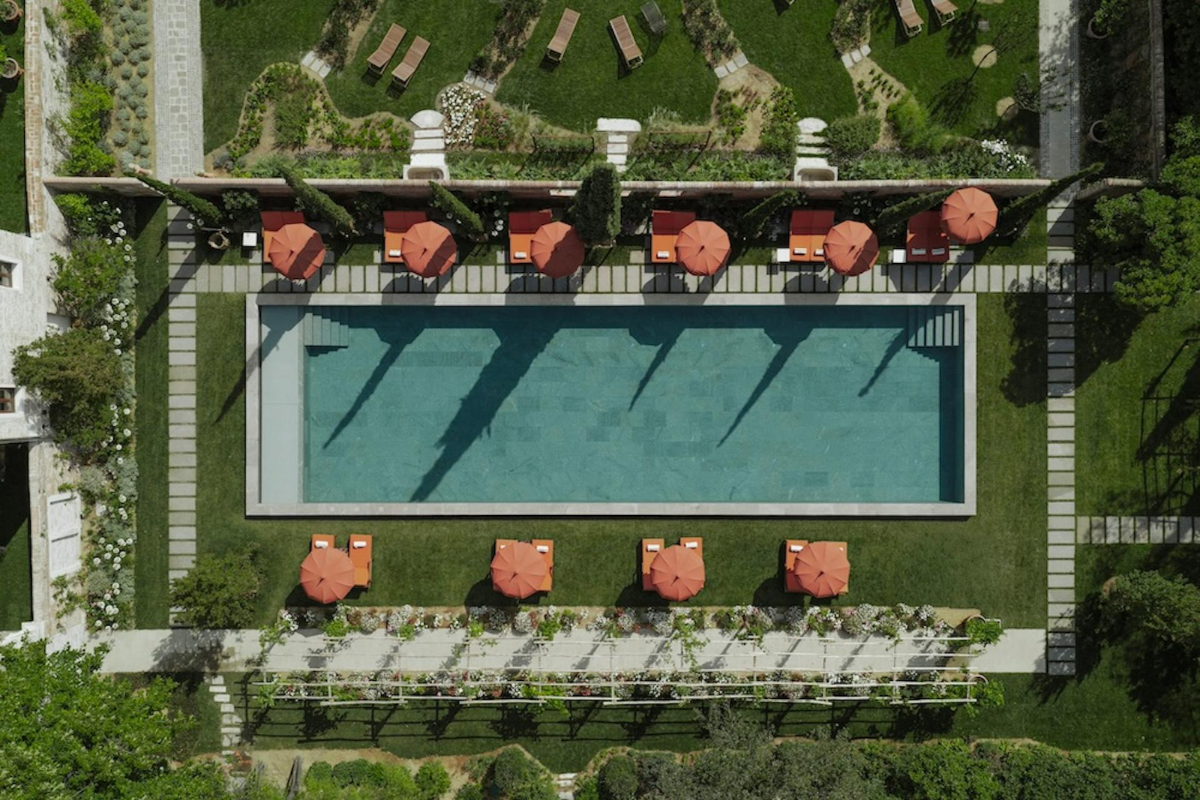
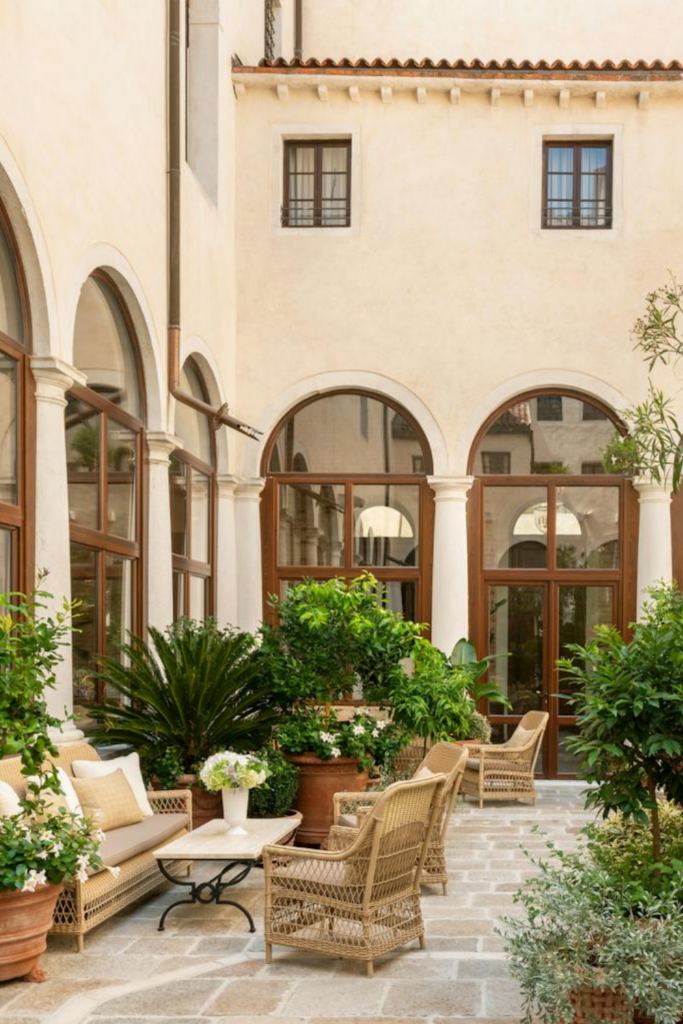
Set on Giudecca, away from the busiest parts of Venice but just across the lagoon from St Mark’s Square, the hotel feels more like a resort hidden within the city.
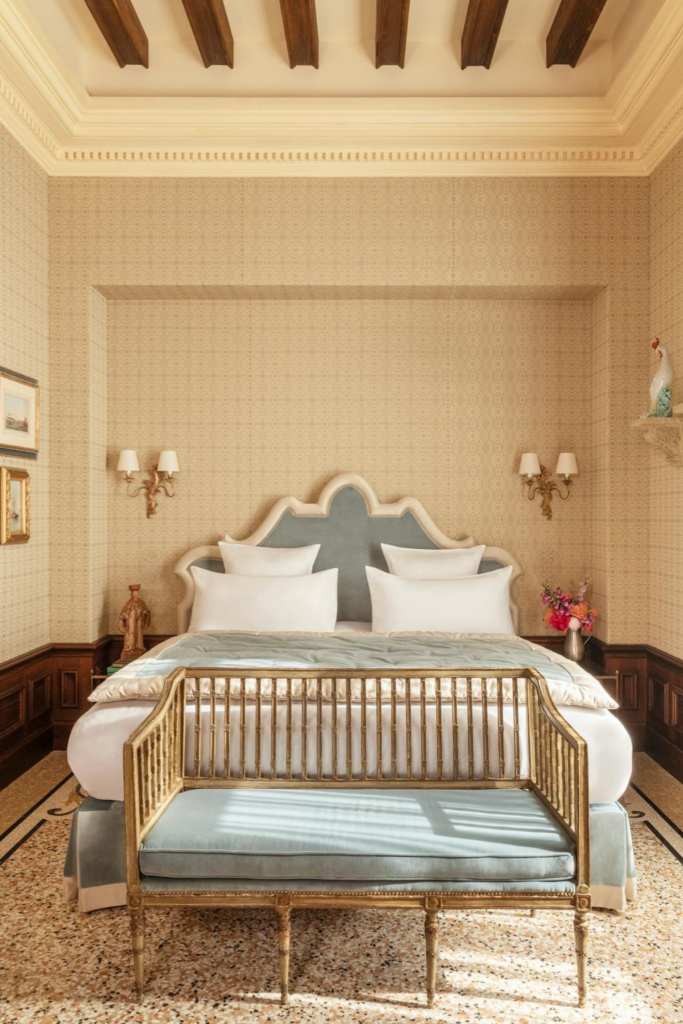
There are just 45 rooms and suites, surrounded by extensive private gardens with three swimming pools and an Airelles Spa by Guerlain.
Then there’s the food.
Its culinary line-up brings together names including Nobu Matsuhisa, Jean-Georges Vongerichten and three-Michelin-starred chef Norbert Niederkofler.
It’s an ambitious arrival in Italy, but perhaps more importantly, it shows how Airelles approaches a destination.
This isn’t simply somewhere beautiful to sleep while you explore Venice.
The hotel becomes part of the reason for travelling there in the first place.
Now Airelles is making another significant move.
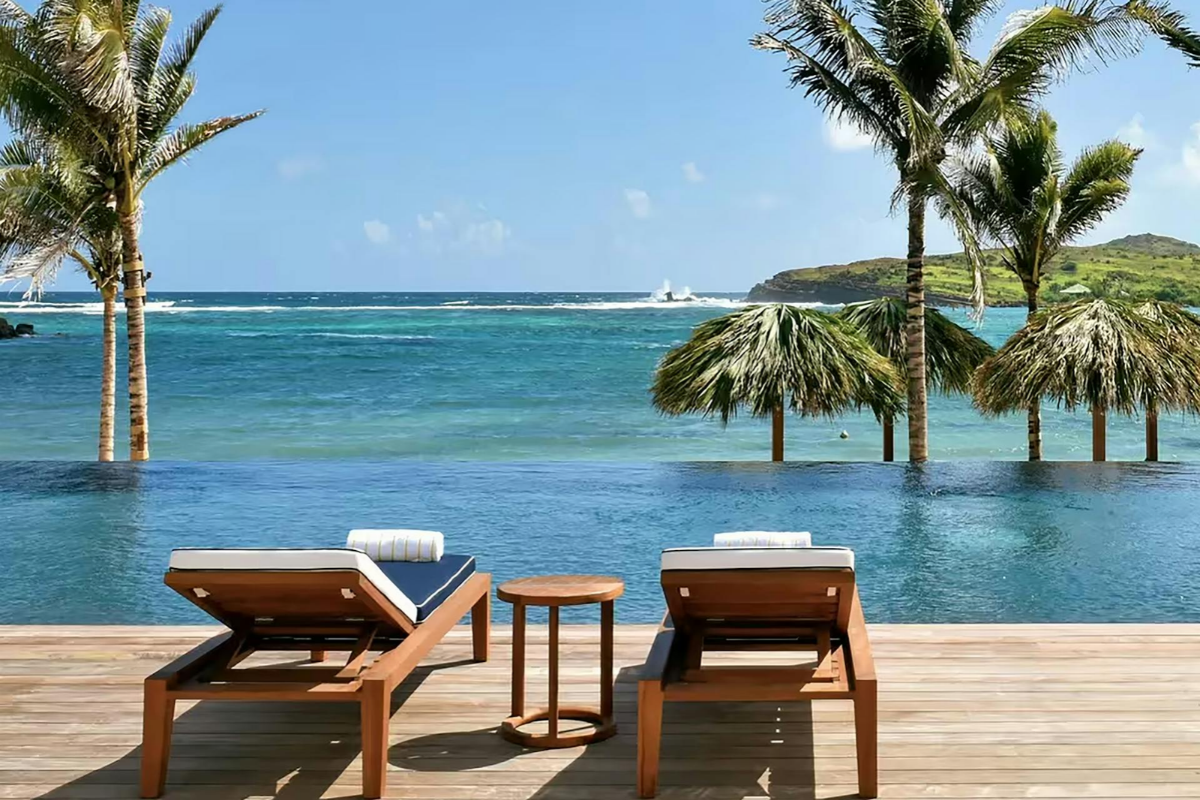
From 1st November 2026, Le Guanahani in St Barth joins the collection, taking Airelles beyond Europe and into the Caribbean.
This opening is particularly interesting because Airelles isn’t creating an entirely new hotel.
Le Guanahani is already an established name in St Barth, with its own history, identity and loyal following. Set on a private peninsula between Grand Cul-de-Sac and Marigot Bay, its colourful cottages and tropical setting have long made it one of the island’s recognisable luxury addresses.
Taking on an existing icon presents a different challenge.
How do you introduce the Airelles approach without losing what people already love about the hotel?
We’re particularly interested to find out.
It would be easy to attribute Airelles’ appeal to beautiful interiors and extraordinary locations.
But at this end of the market, those things are increasingly expected.
What makes the collection interesting is something less tangible – the feeling that almost everything has been considered before you have to think about it yourself.
Depending on the property and rate, that can mean everything from minibars and laundry to activities, dining and transport being incorporated into the experience.
Then there are the thoughtful extras, gifts and surprises that regularly appear throughout a stay.
It isn’t really about getting things for free.
When you are paying for a hotel at this level, that would be missing the point.
It’s about removing friction.
Perhaps one of the greatest luxuries now is simply having less to think about.
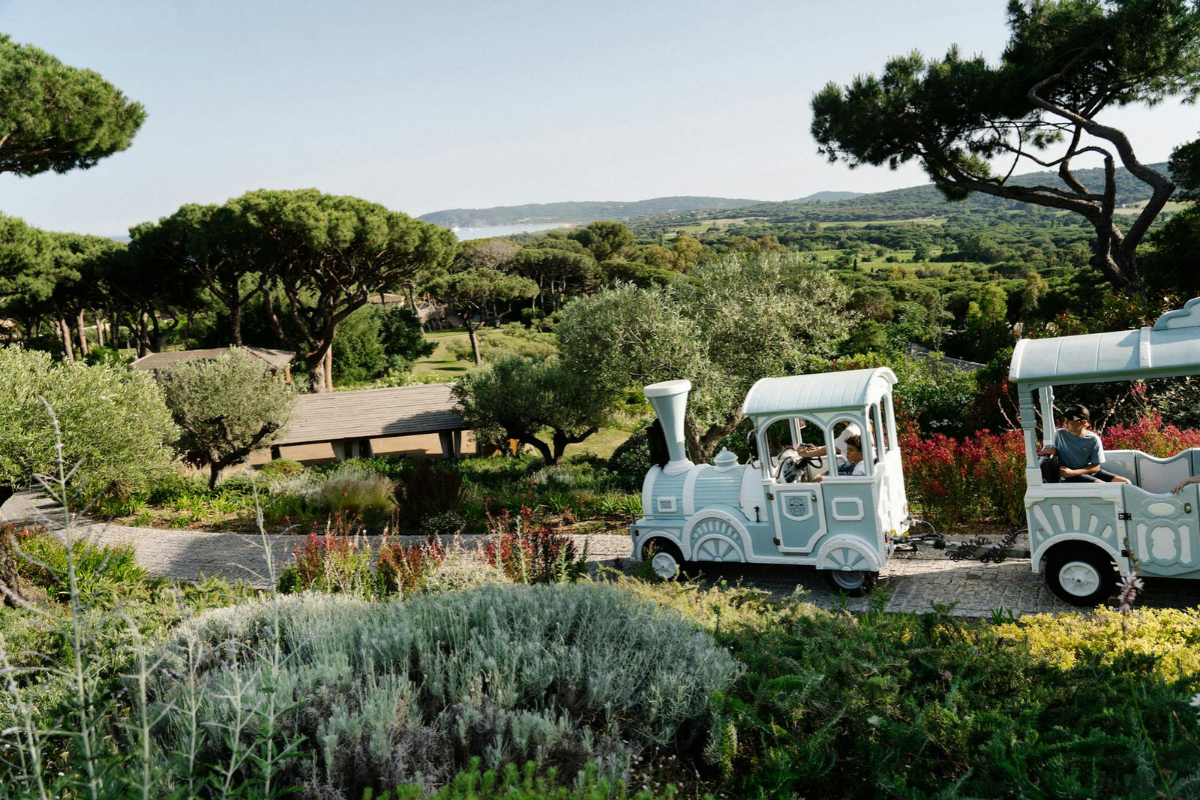
One of our favourite examples of the Airelles approach can be found at Château de La Messardière in Saint-Tropez.
Its children’s offering isn’t tucked into a spare room somewhere within the hotel.
Instead, younger guests have their own 500 sqm villa, complete with seven themed rooms, a private cinema, Lego workshop, swimming pools and a treehouse.
The wider Summer Camp even includes its own mini-farm.
It’s wonderfully over the top, of course.
But it also demonstrates something important about the way Airelles thinks about hospitality.
Children haven’t simply been accommodated while their parents enjoy the hotel.
Their holiday has been designed too.
Nothing feels like an afterthought.
Then there is perhaps the most extraordinary Airelles address of all.
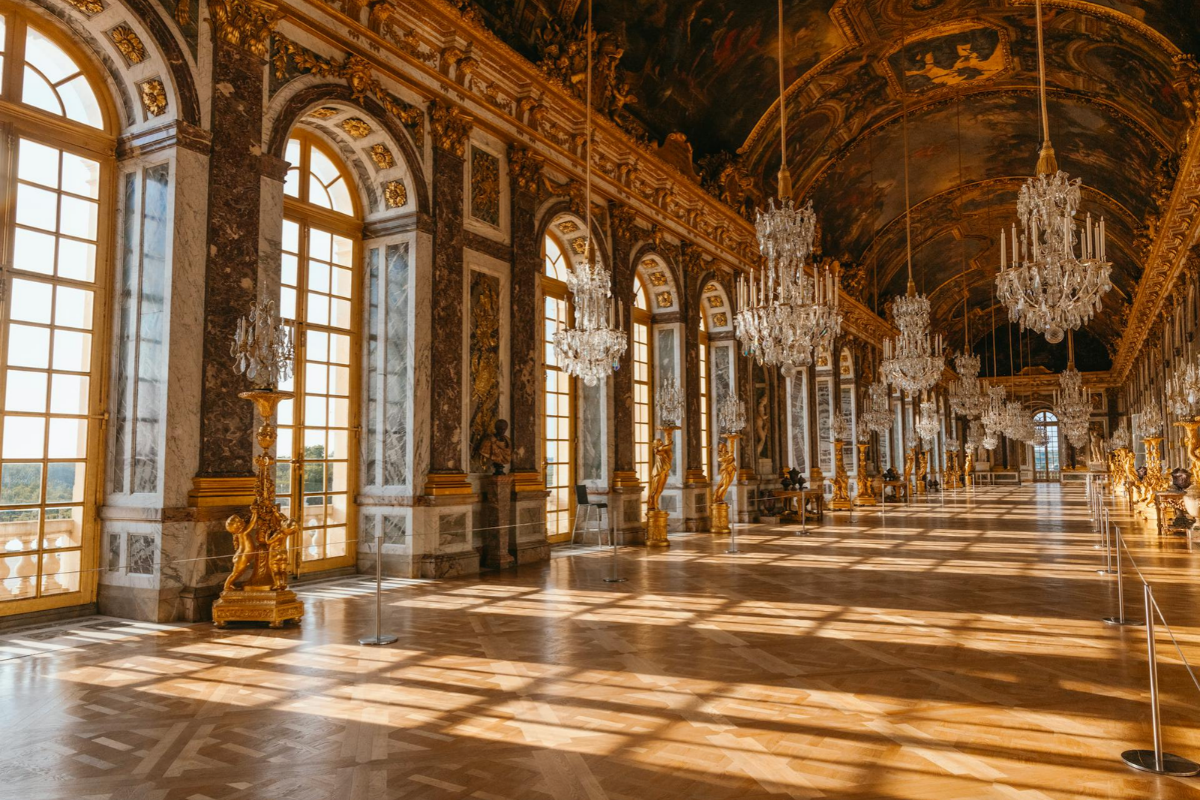
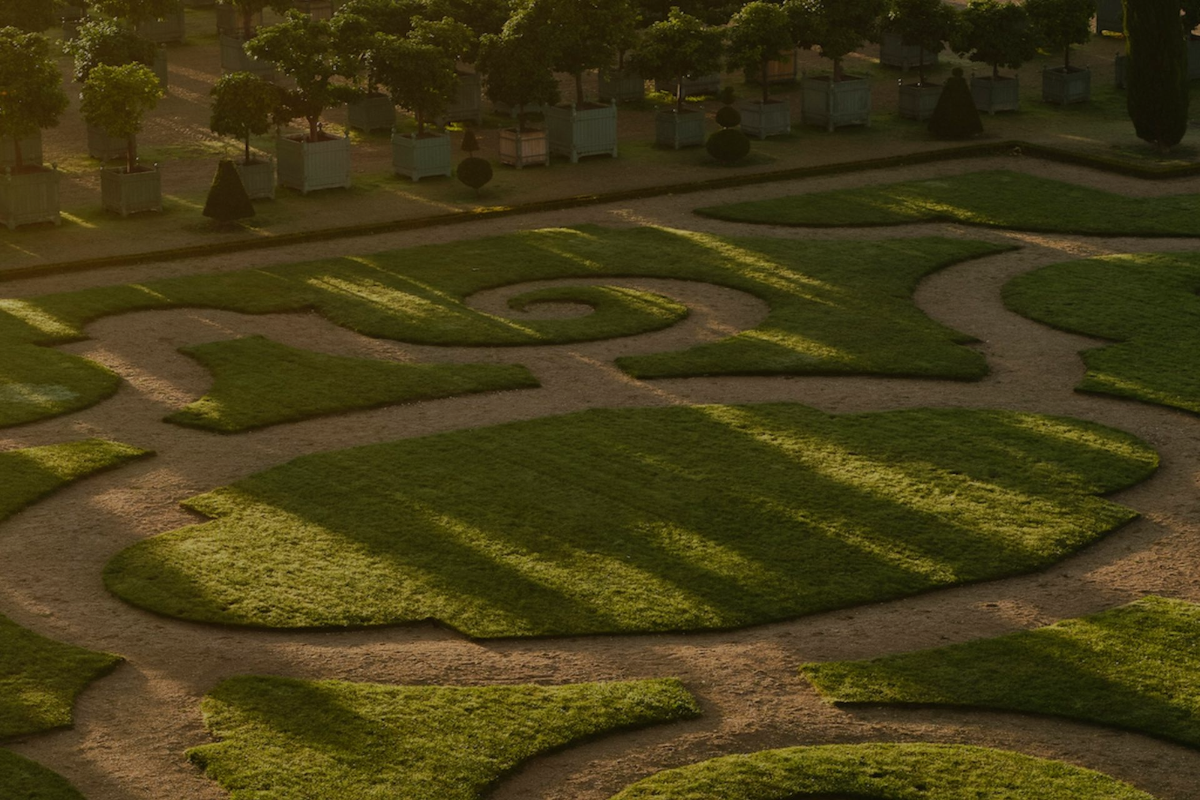
Le Grand Contrôle at Versailles.
Staying within the grounds of the Palace of Versailles is already remarkable, but the real draw is the access that comes with it.
Private experiences allow hotel guests to encounter one of France’s most famous landmarks differently from the millions of people who visit each year.
And this is where Airelles starts to tell us something bigger about how luxury travel is changing.
In Courchevel and Val d’Isère, the hotel experience is intertwined with being in the mountains.
At Versailles, the hotel unlocks the destination in a way that would otherwise be difficult to experience.
In Venice, Airelles has created somewhere that feels almost like a resort within the city.
The hotel is no longer simply supporting the trip.
It is shaping it.
This isn’t exclusive to Airelles.
Across luxury travel, we’re seeing travellers become increasingly interested in properties that offer a compelling reason to visit in their own right.
Part of that is a consequence of rising expectations.
Luxury hotels have become extraordinarily expensive and at the very top of the market, a beautiful bedroom, an excellent restaurant, a great spa and impeccable service are no longer enough to distinguish one property from another.
They are the starting point.
What is harder to replicate yourself is access.
It’s a genuine connection to a destination. An experience you couldn’t easily organise independently. A hotel that understands what you might want before you ask for it.
It is the difference between staying somewhere beautiful and feeling that the place you stayed fundamentally changed the holiday.
And that is where Airelles becomes particularly interesting.
There is, of course, a challenge ahead.
Part of Airelles’ appeal is precisely that there aren’t Airelles hotels everywhere.
The collection feels considered rather than ubiquitous. Each property has a reason to exist in its particular location and each has retained a strong individual identity.
As luxury hotel groups expand, maintaining that sense of rarity becomes increasingly difficult.
With Venice now open and St Barth joining the collection, Airelles is entering a new chapter.
The question is whether it can become a truly international hotel name without becoming just another international hotel brand.
If it can preserve the individuality, generosity and almost obsessive attention to detail that made its French properties stand out in the first place, we could be watching the emergence of one of the defining names in ultra-luxury hospitality.
For now, one thing is certain.
Airelles is firmly one to watch.
Travel is Changing is our ongoing series exploring the trends, destinations and ideas shaping the way we travel now.
Speak to a Travel Seen specialist
Start planning your next escape and we’ll connect you with our luxury travel specialists at Luxx Collective →
Ready to start planning?
Send us an enquiry or call or WhatsApp us on 0333 305 9912 and we’ll help you find the right experience.
Curated travel stories, hidden destinations and
exclusive offers – direct to your inbox.
We are delighted to assist you in crafting your dream holiday. Please complete the form below, and one of our travel specialists will be in touch.