Travel is Changing | Airelles, the hotel name to know now
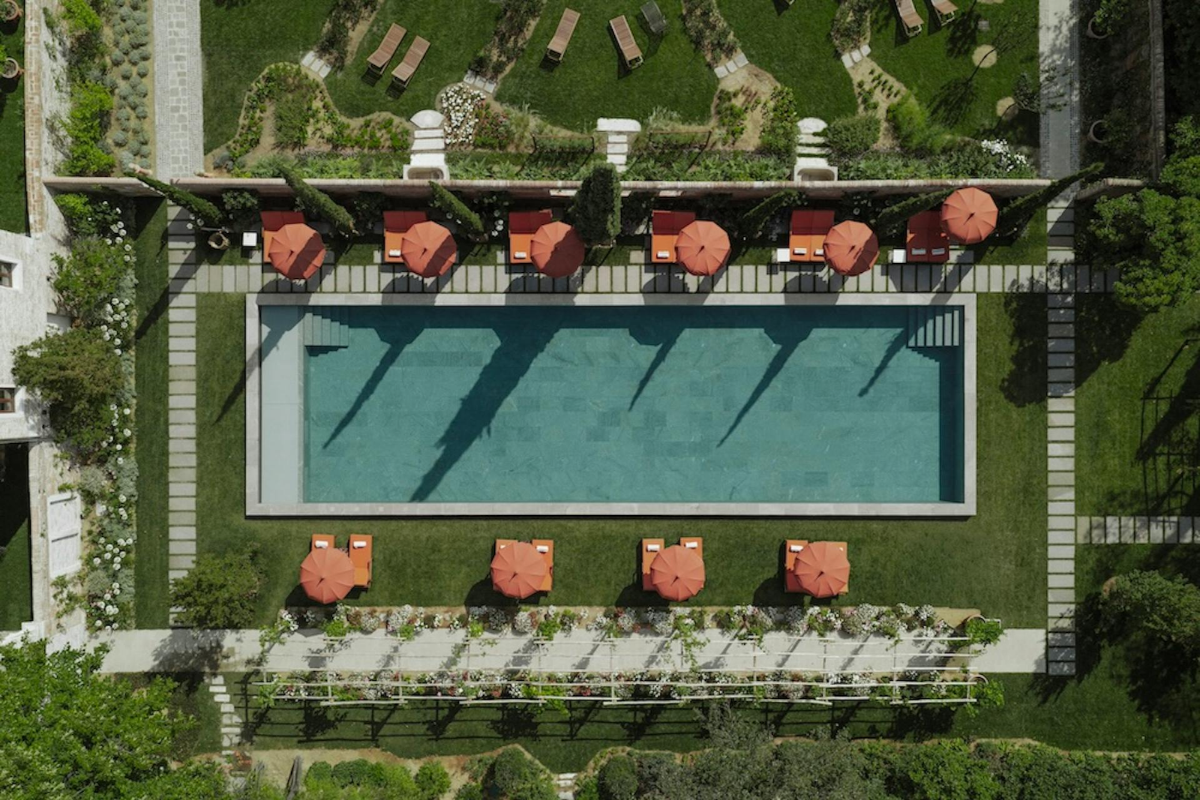
From Courchevel and Versailles to Venice and now St Barth, Airelles is quietly becoming one of the most interesting names in ultra-luxury hospitality. Here’s why it’s firmly on our radar.
There’s one hotel name that keeps cropping up at Travel Seen.
Airelles.
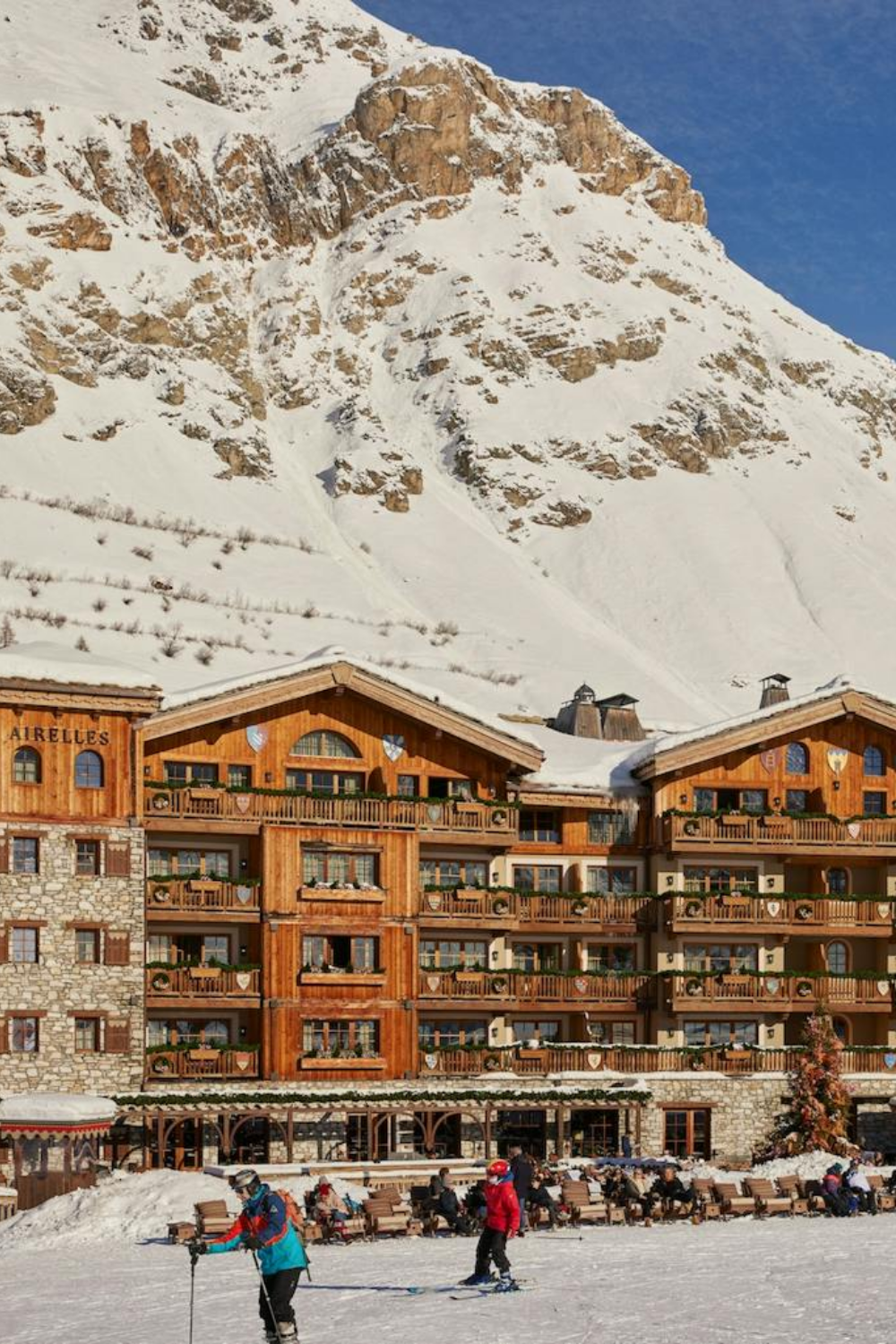
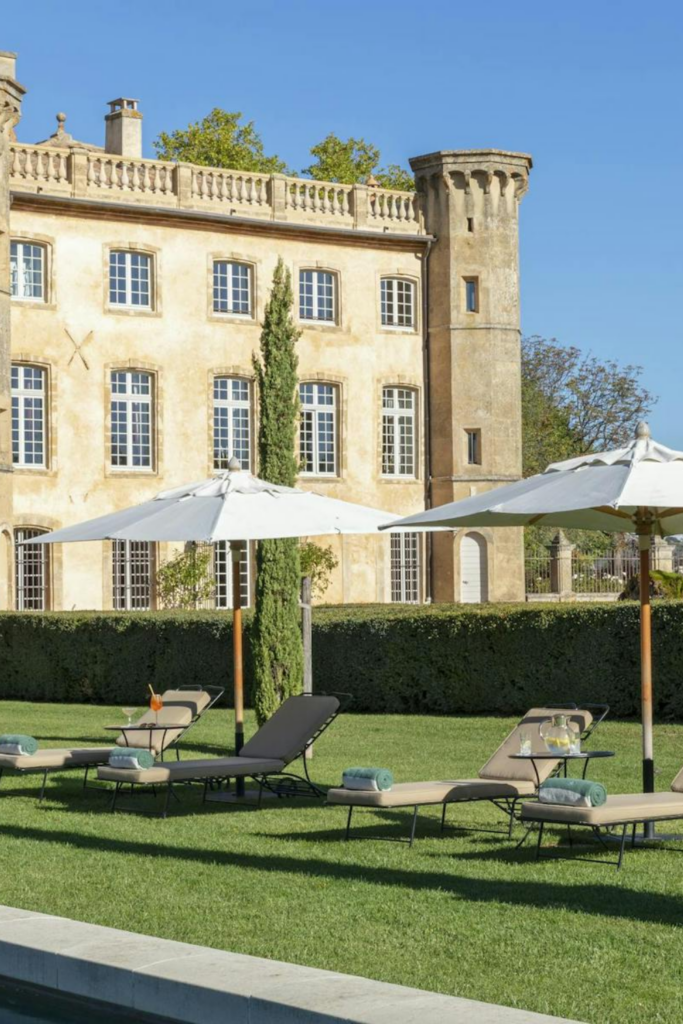
For those already familiar with the upper reaches of French luxury hospitality, it won’t be a new name. The collection includes Les Airelles in Courchevel, Airelles Val d’Isère, La Bastide in Gordes, Château de La Messardière and Pan Deï Palais in Saint-Tropez and Le Grand Contrôle within the grounds of Versailles.
It is a relatively small portfolio, particularly when compared with some of the world’s best-known luxury hotel groups.
And that is partly what makes it interesting.
Each property is completely individual. There isn’t an obvious Airelles design formula replicated from one destination to another. Instead, what connects them is a level of detail, generosity and sense of place that has become distinctly Airelles.
Now, the rest of the world is beginning to take notice.
From French secret to international hotel name
Until recently, Airelles was entirely French.
That changed with Airelles Palladio Venezia, the collection’s first hotel outside France.
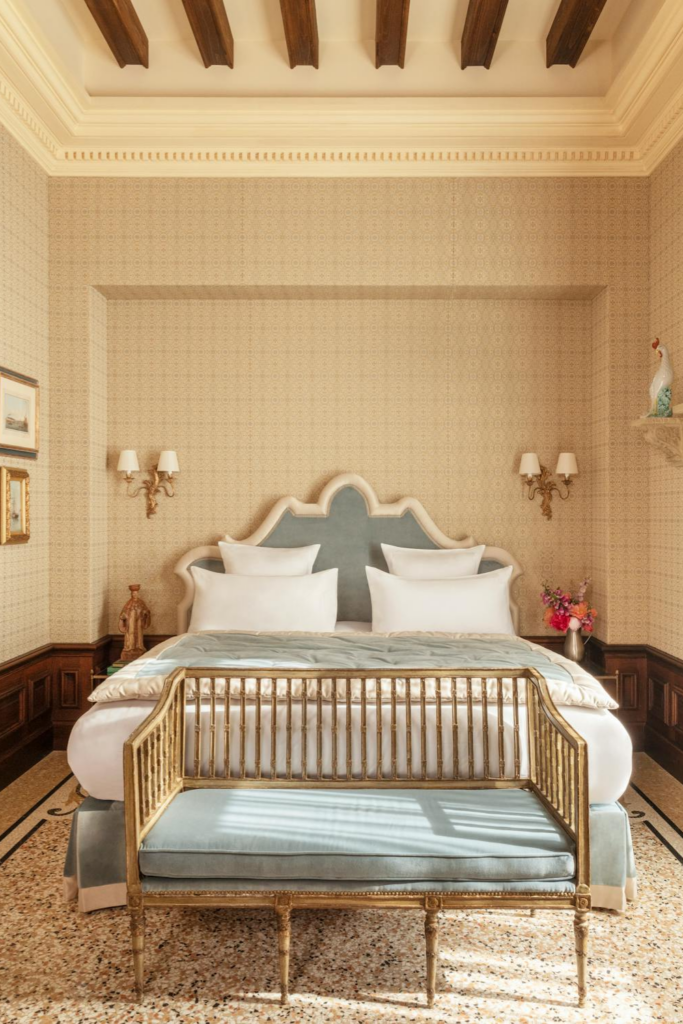
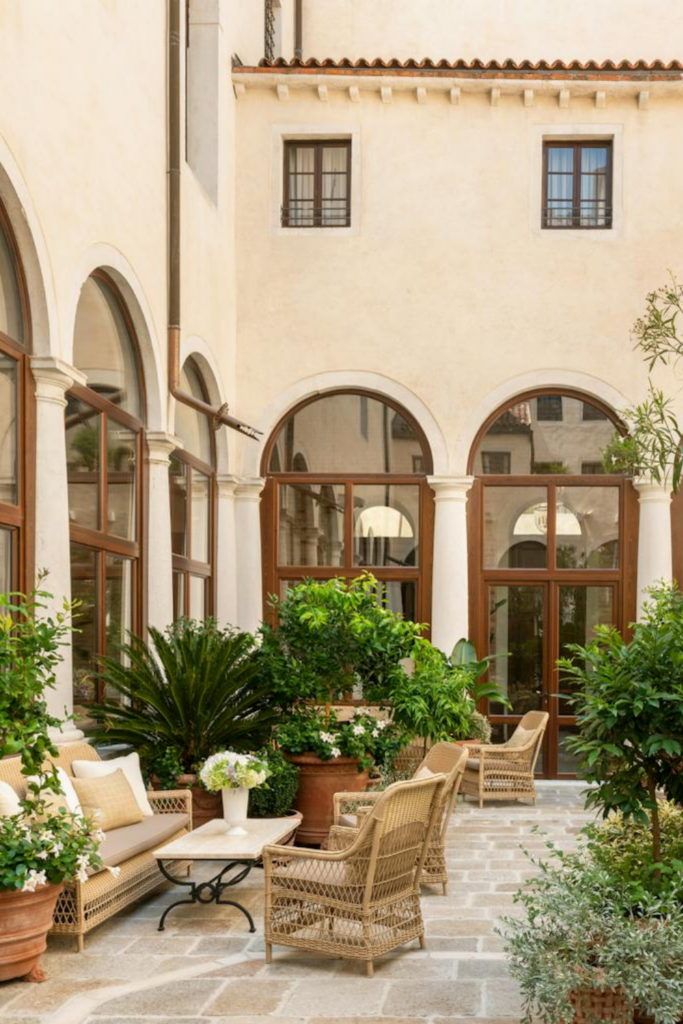
Set on Giudecca, away from the busiest parts of Venice but just across the lagoon from St Mark’s Square, the hotel feels more like a resort hidden within the city.
There are just 45 rooms and suites, surrounded by extensive private gardens with three swimming pools and an Airelles Spa by Guerlain.
Then there’s the food.
Its culinary line-up brings together names including Nobu Matsuhisa, Jean-Georges Vongerichten and three-Michelin-starred chef Norbert Niederkofler.
It’s an ambitious arrival in Italy, but perhaps more importantly, it shows how Airelles approaches a destination.
This isn’t simply somewhere beautiful to sleep while you explore Venice.
The hotel becomes part of the reason for travelling there in the first place.
Next stop St Barth
Now Airelles is making another significant move.
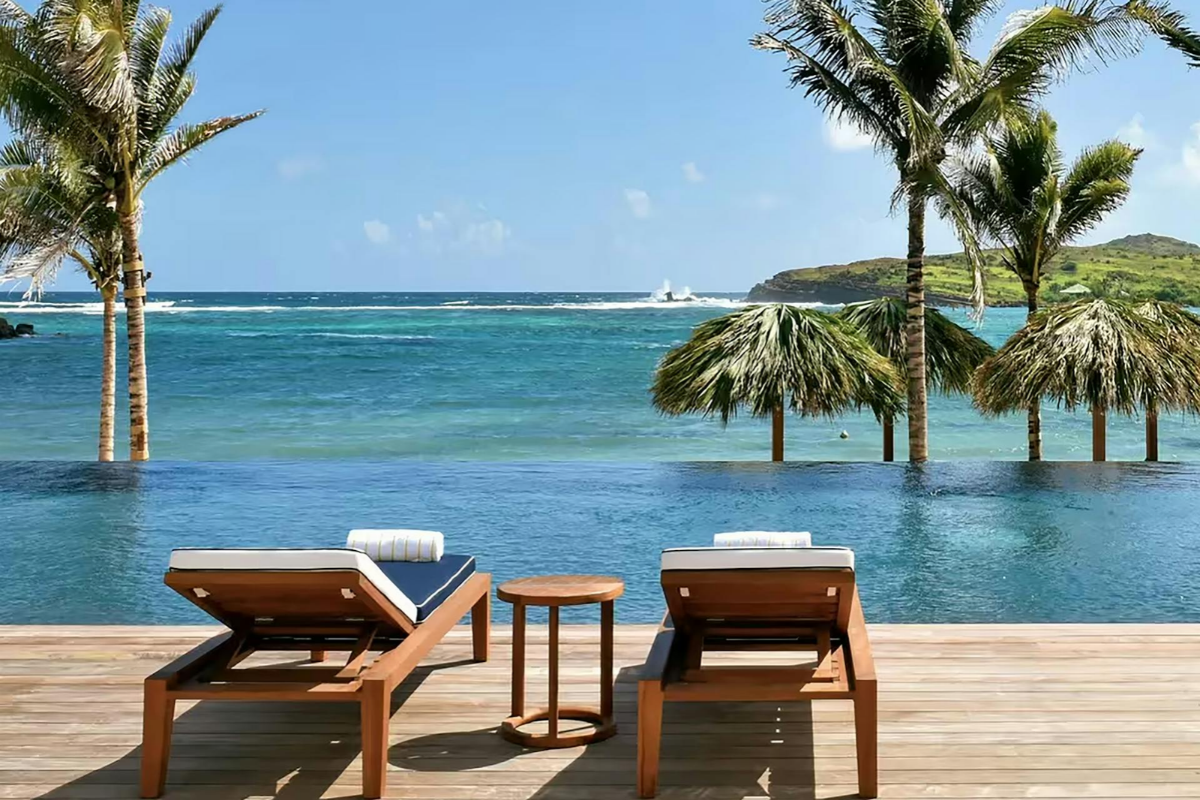
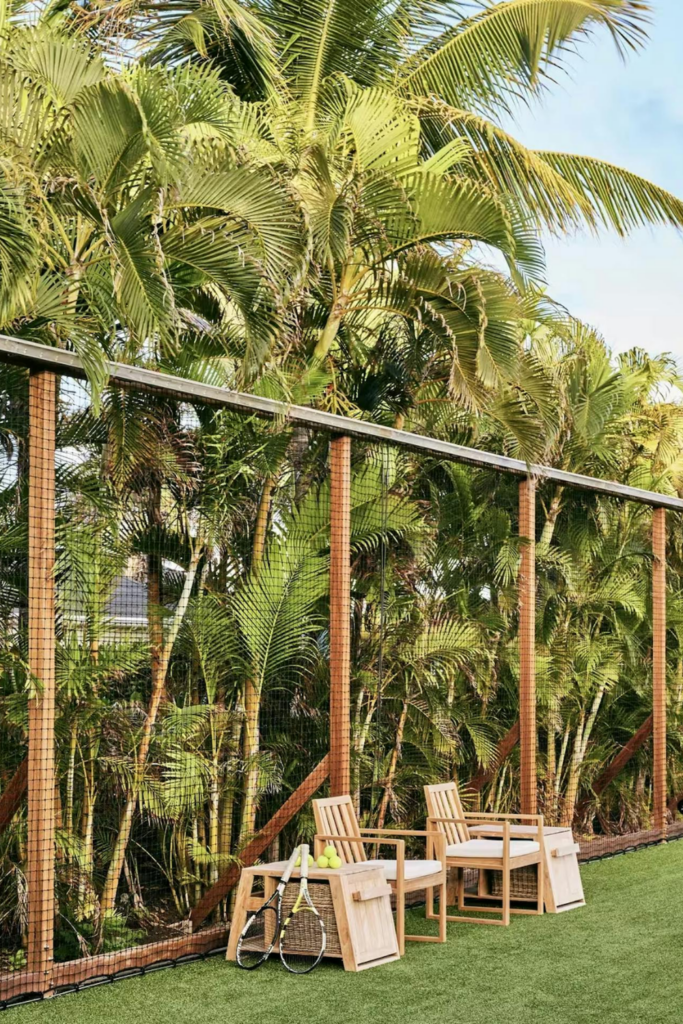
From 1st November 2026, Le Guanahani in St Barth joins the collection, taking Airelles beyond Europe and into the Caribbean.
This opening is particularly interesting because Airelles isn’t creating an entirely new hotel.
Le Guanahani is already an established name in St Barth, with its own history, identity and loyal following. Set on a private peninsula between Grand Cul-de-Sac and Marigot Bay, its colourful cottages and tropical setting have long made it one of the island’s recognisable luxury addresses.
Taking on an existing icon presents a different challenge.
How do you introduce the Airelles approach without losing what people already love about the hotel?
We’re particularly interested to find out.
So, what is the ‘Airelles touch’?
It would be easy to attribute Airelles’ appeal to beautiful interiors and extraordinary locations.
But at this end of the market, those things are increasingly expected.
What makes the collection interesting is something less tangible – the feeling that almost everything has been considered before you have to think about it yourself.
Depending on the property and rate, that can mean everything from minibars and laundry to activities, dining and transport being incorporated into the experience.
Then there are the thoughtful extras, gifts and surprises that regularly appear throughout a stay.
It isn’t really about getting things for free.
When you are paying for a hotel at this level, that would be missing the point.
It’s about removing friction.
Perhaps one of the greatest luxuries now is simply having less to think about.
Even the children’s club tells you something
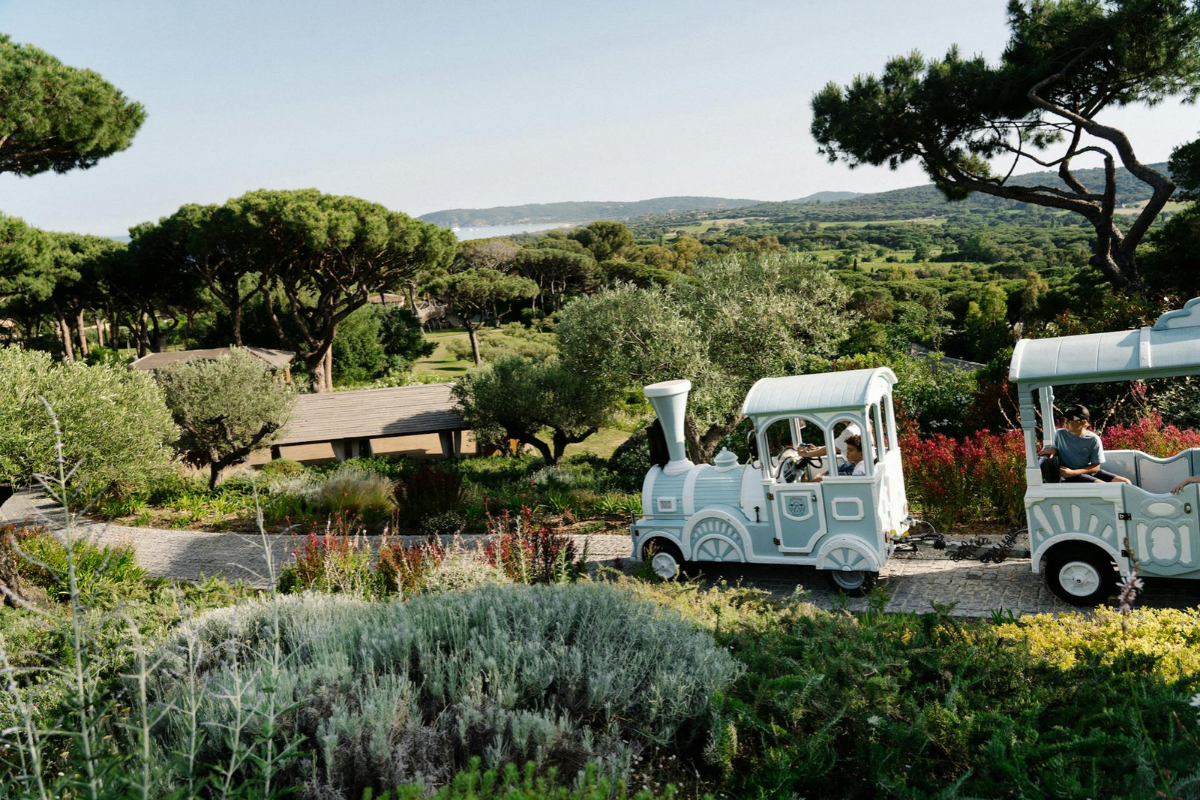
One of our favourite examples of the Airelles approach can be found at Château de La Messardière in Saint-Tropez.
Its children’s offering isn’t tucked into a spare room somewhere within the hotel.
Instead, younger guests have their own 500 sqm villa, complete with seven themed rooms, a private cinema, Lego workshop, swimming pools and a treehouse.
The wider Summer Camp even includes its own mini-farm.
It’s wonderfully over the top, of course.
But it also demonstrates something important about the way Airelles thinks about hospitality.
Children haven’t simply been accommodated while their parents enjoy the hotel.
Their holiday has been designed too.
Nothing feels like an afterthought.
What if your hotel could change the way you experience a destination?
Then there is perhaps the most extraordinary Airelles address of all.
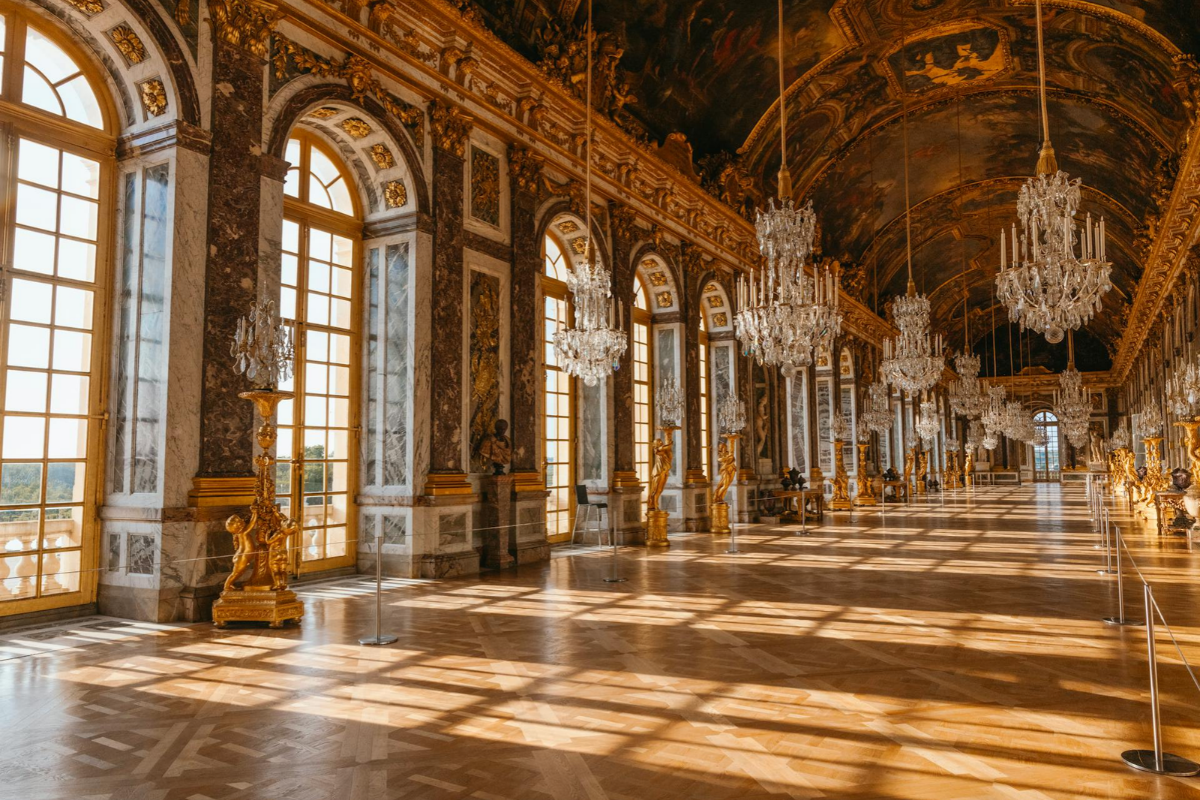
Le Grand Contrôle at Versailles.
Staying within the grounds of the Palace of Versailles is already remarkable, but the real draw is the access that comes with it.
Private experiences allow hotel guests to encounter one of France’s most famous landmarks differently from the millions of people who visit each year.
And this is where Airelles starts to tell us something bigger about how luxury travel is changing.
In Courchevel and Val d’Isère, the hotel experience is intertwined with being in the mountains.
At Versailles, the hotel unlocks the destination in a way that would otherwise be difficult to experience.
In Venice, Airelles has created somewhere that feels almost like a resort within the city.
The hotel is no longer simply supporting the trip.
It is shaping it.
The rise of the hotel as a destination
This isn’t exclusive to Airelles.
Across luxury travel, we’re seeing travellers become increasingly interested in properties that offer a compelling reason to visit in their own right.
Part of that is a consequence of rising expectations.
Luxury hotels have become extraordinarily expensive and at the very top of the market, a beautiful bedroom, an excellent restaurant, a great spa and impeccable service are no longer enough to distinguish one property from another.
They are the starting point.
What is harder to replicate yourself is access.
It’s a genuine connection to a destination. An experience you couldn’t easily organise independently. A hotel that understands what you might want before you ask for it.
It is the difference between staying somewhere beautiful and feeling that the place you stayed fundamentally changed the holiday.
And that is where Airelles becomes particularly interesting.
Can Airelles grow without losing what makes it special?
There is, of course, a challenge ahead.
Part of Airelles’ appeal is precisely that there aren’t Airelles hotels everywhere.
The collection feels considered rather than ubiquitous. Each property has a reason to exist in its particular location and each has retained a strong individual identity.
As luxury hotel groups expand, maintaining that sense of rarity becomes increasingly difficult.
With Venice now open and St Barth joining the collection, Airelles is entering a new chapter.
The question is whether it can become a truly international hotel name without becoming just another international hotel brand.
If it can preserve the individuality, generosity and almost obsessive attention to detail that made its French properties stand out in the first place, we could be watching the emergence of one of the defining names in ultra-luxury hospitality.
For now, one thing is certain.
Airelles is firmly one to watch.
Travel is Changing is our ongoing series exploring the trends, destinations and ideas shaping the way we travel now.
Inspired to experience Airelles?
Speak to a Travel Seen specialist
Start planning your next escape and we’ll connect you with our luxury travel specialists at Luxx Collective →
Ready to start planning?
Send us an enquiry or call or WhatsApp us on 0333 305 9912 and we’ll help you find the right experience.
More From Our Blogs

Join our community of travellers
Curated travel stories, hidden destinations and
exclusive offers – direct to your inbox.
ENQUIRE NOW
We are delighted to assist you in crafting your dream holiday. Please complete the form below, and one of our travel specialists will be in touch.
How would you like to speak to us?
Choose the option that suits you and we’ll take it from there.
Call our Travel Experts at
0333 305 9912
(Office hours 9am-5pm Monday-Friday)
Start on WhatsApp. Our smart travel assistant will chat things through with you, share inspiration, then introduce you to the right specialist to plan and book.
Call us today
Prefer to talk it through? Call 0333 305 9912 and we’ll start shaping your trip.
(Office hours 9am-5pm Monday-Friday)
Prefer email?
Leave your details and what you’re planning and we’ll come back to you.