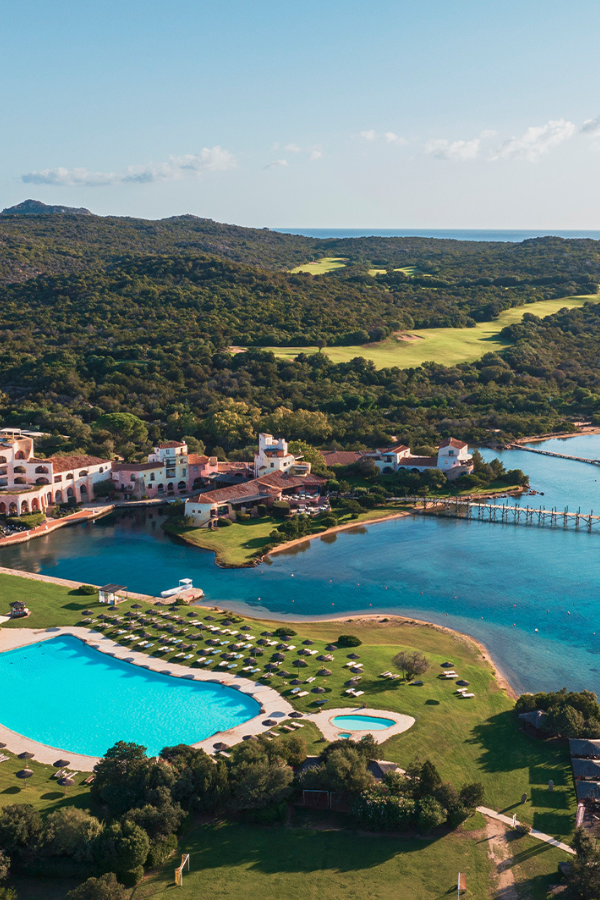
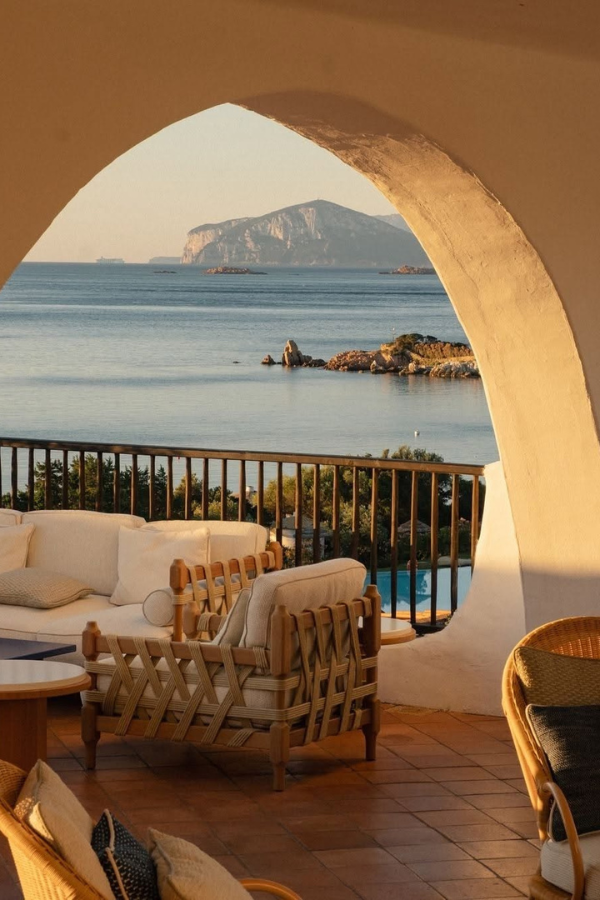
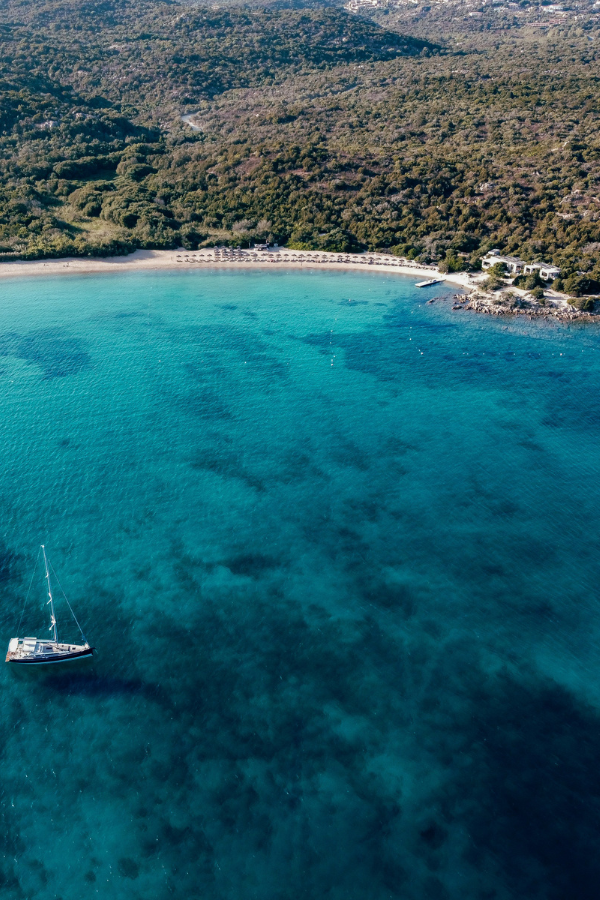
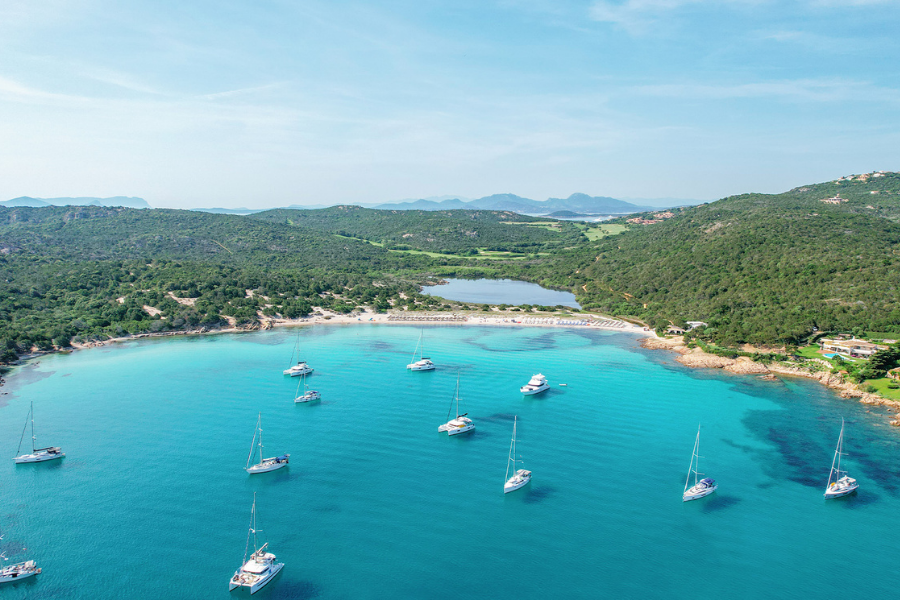
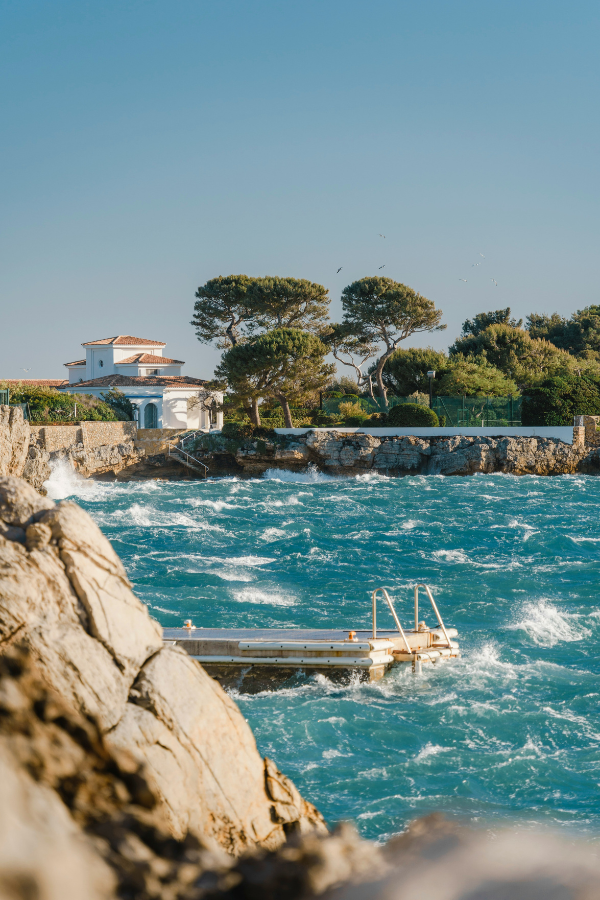
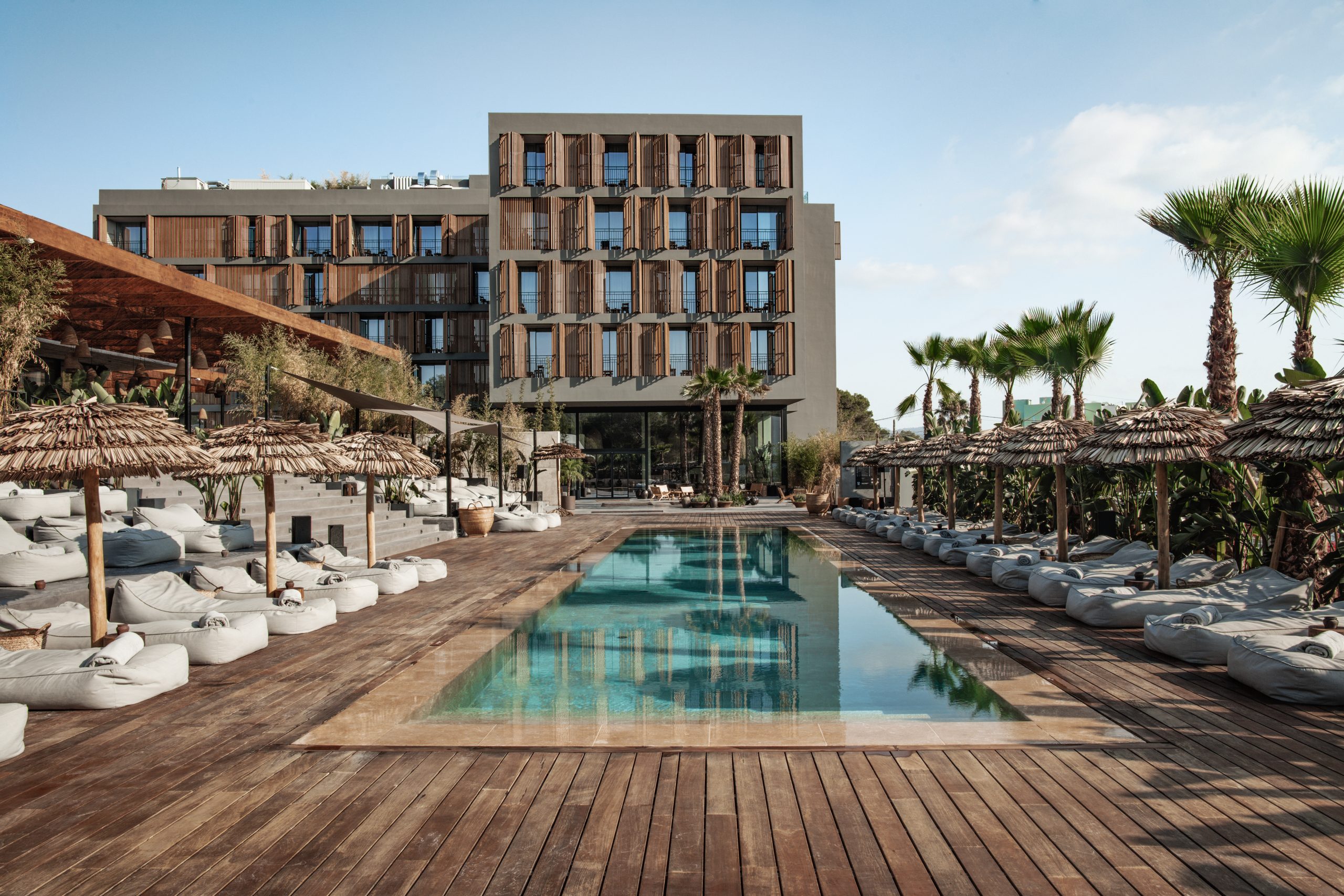
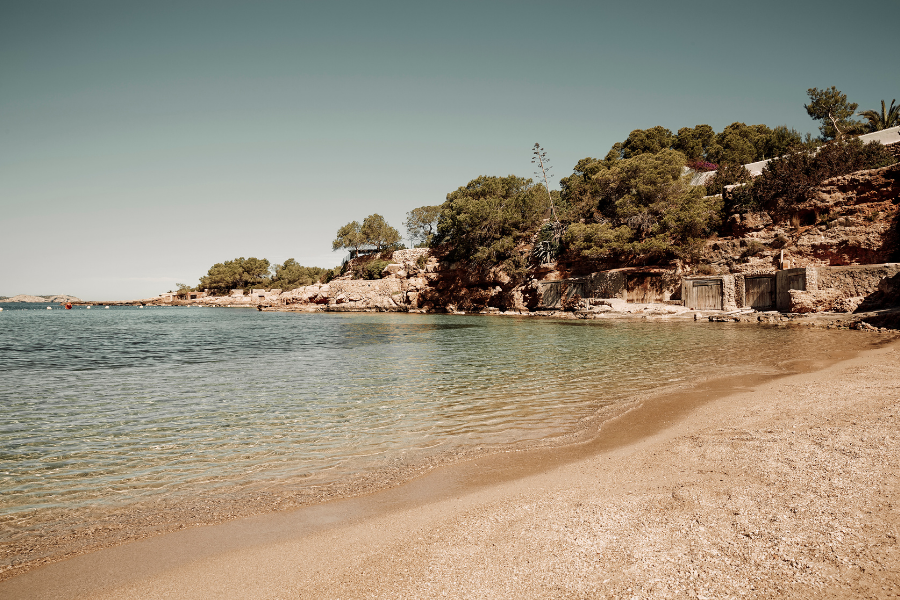
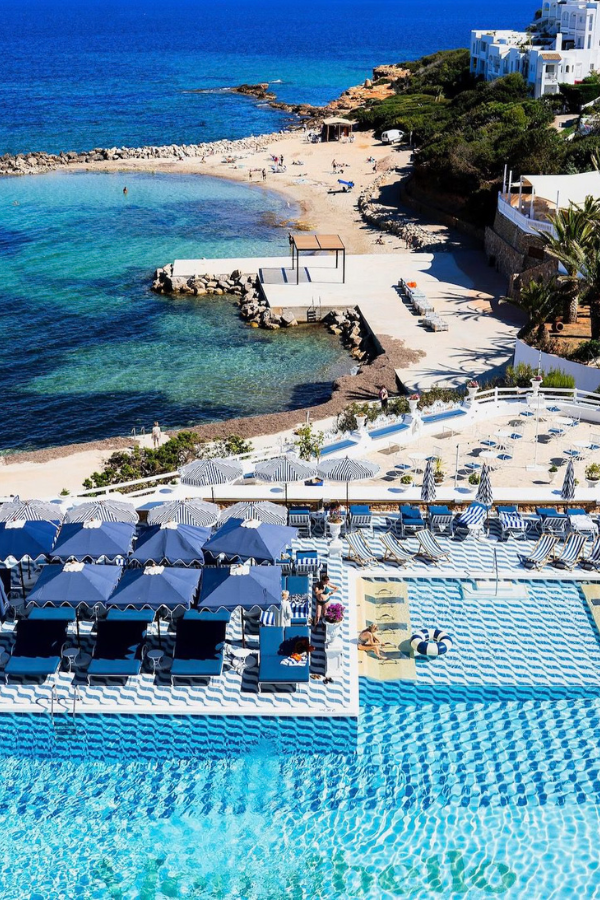
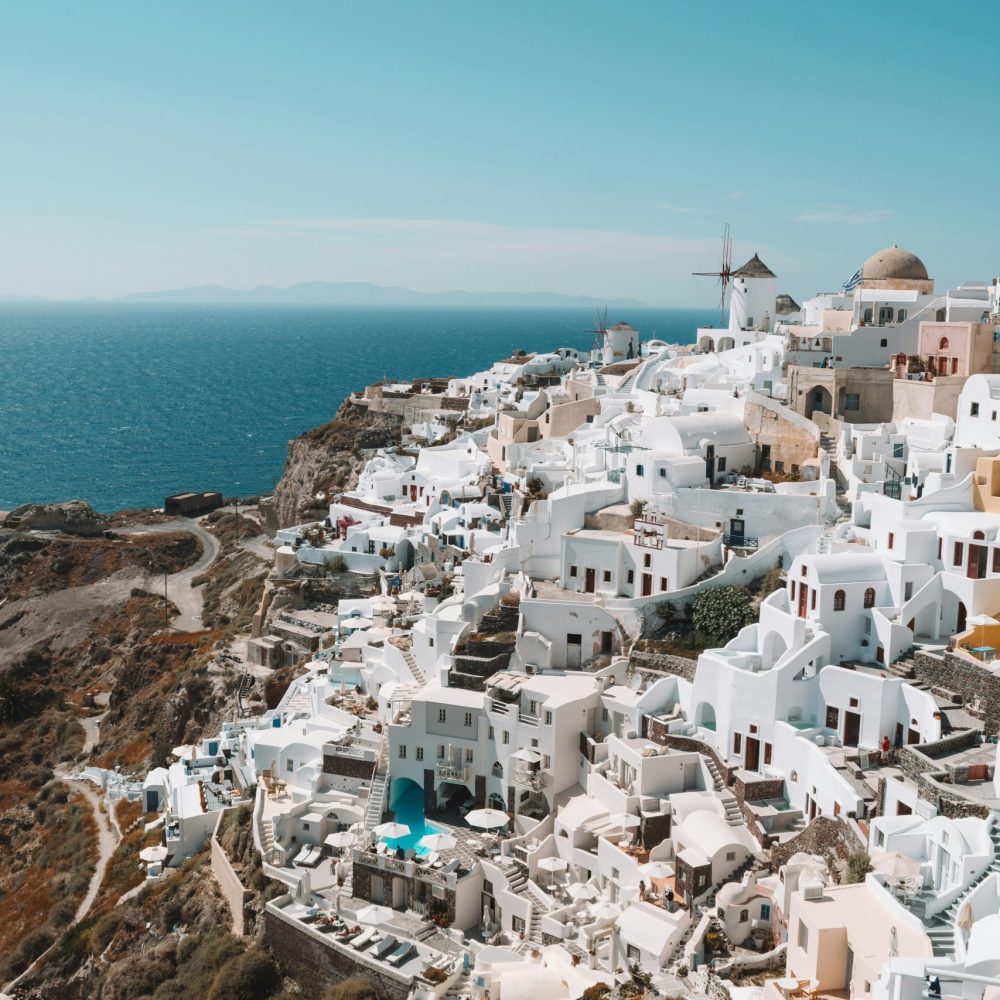
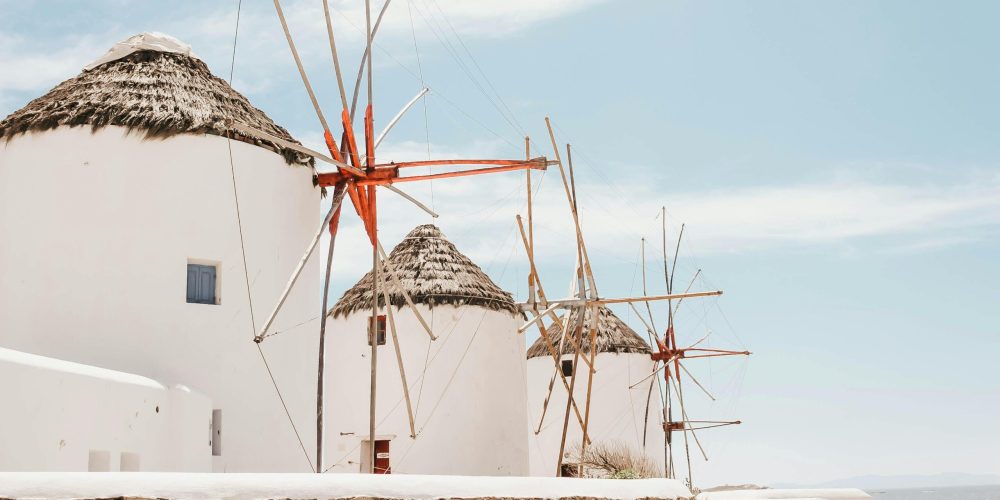
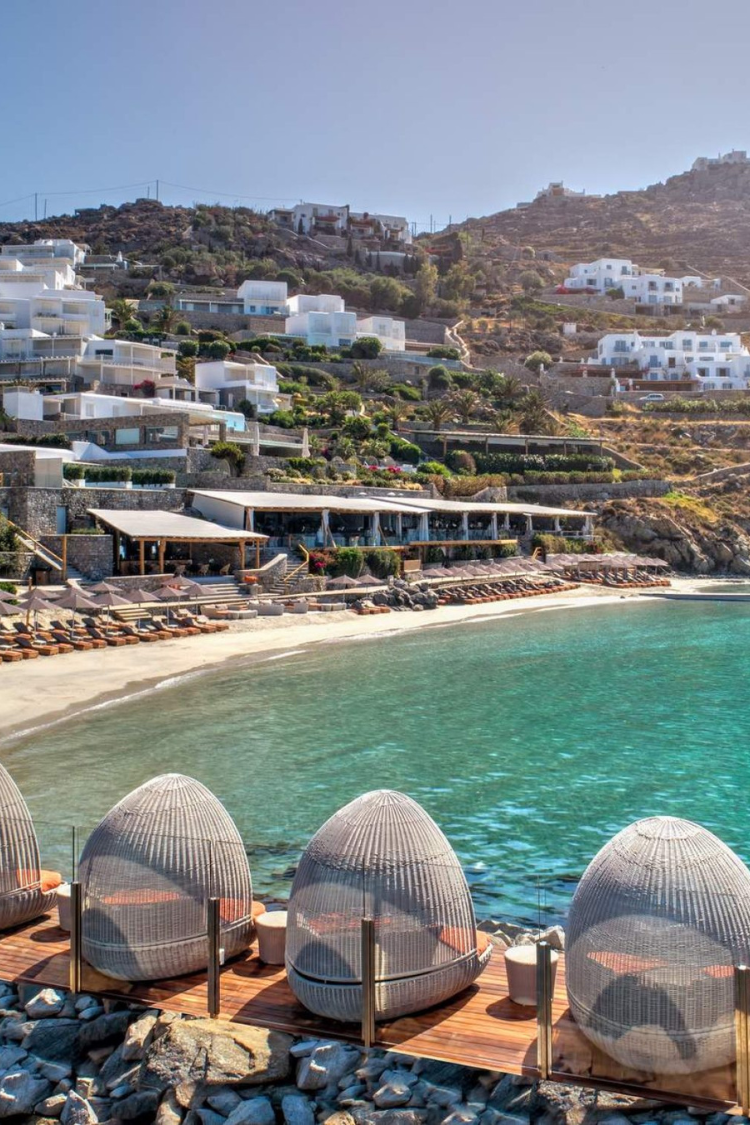
There are Mediterranean islands with beautiful beaches and then there is Mykonos. A place where glamour, mythology and excess collide to create one of the world’s most photographed summer playgrounds.
For decades, the island has been less a destination and more a seasonal stage: a whitewashed backdrop where models, musicians, athletes and billionaires arrive each summer to be seen, disappear, and party until sunrise.
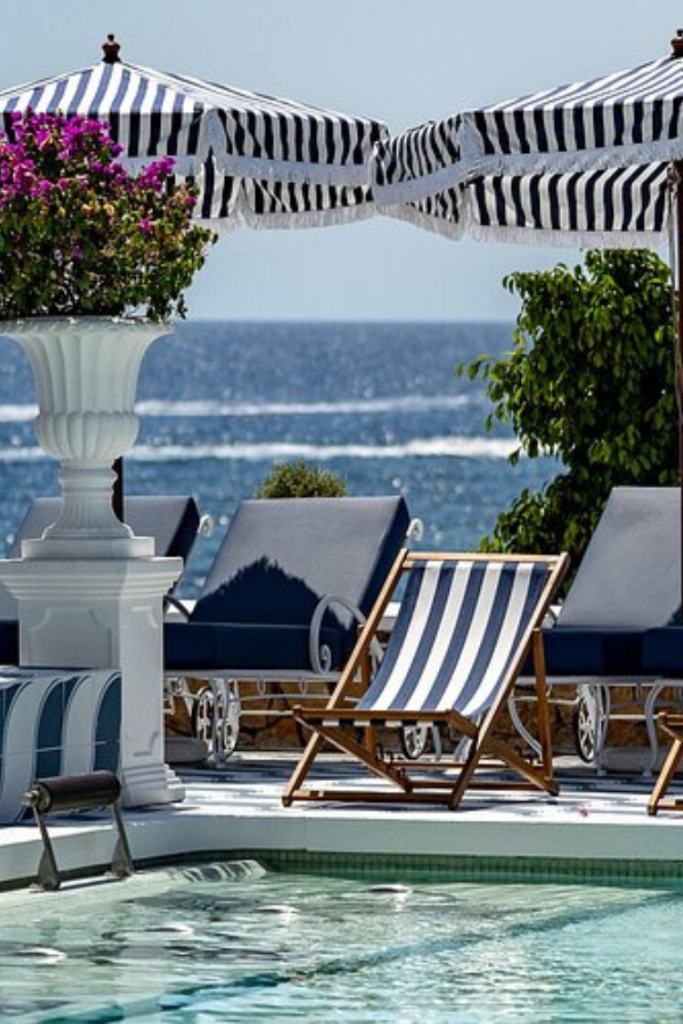
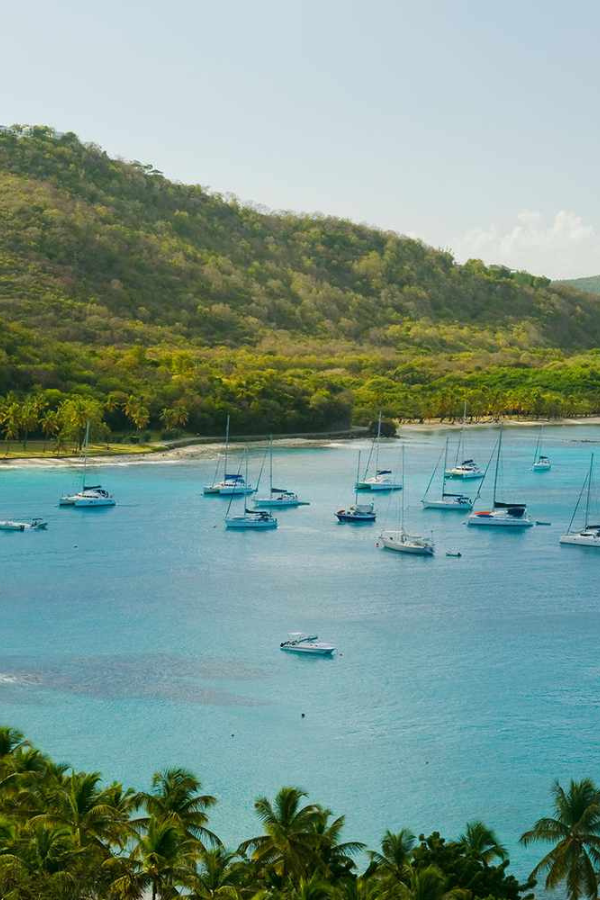
What makes Mykonos remarkable isn’t just its beauty, but its aura of curated exclusivity. Luxury yachts line the turquoise bays, DJs soundtrack the sunset and the narrow streets of Mykonos Town become a nightly runway of linen shirts, designer sunglasses and spontaneous celebrity sightings. In peak summer, the island feels like a floating members’ club – one where the global jet set gathers under the Aegean sun.
Long before Instagram turned travel into theatre, Mykonos had already begun attracting a glamorous crowd. In the 1950s and 60s, artists, aristocrats and European elites discovered the island’s quiet fishing villages and free-spirited atmosphere. Early visitors such as Sophia Loren and Gianni Agnelli helped plant the seeds of Mykonos’ jetset identity.
By the 1970s, the island had evolved into something rarer: a Mediterranean refuge defined by creative freedom. Writers, fashion figures and LGBTQ travellers flocked to the island’s beaches and late night tavernas creating a culture that was both glamorous and rebellious. Mykonos became known not only for its natural beauty but for its sense of liberation – a place where the rules of mainland Europe seemed to soften under the island sun.
That mix of freedom, spectacle and seaside elegance would shape Mykonos for decades to come.