Beyond the weather, travelling outside peak summer can offer greater flexibility with hotel availability, more choice when it comes to room categories and potentially more attractive rates.
But perhaps the greatest appeal is simply experiencing a destination when everything feels a little less hurried.
Of course, July and August will always have their place, particularly for families travelling around school holidays. And shoulder season isn’t without its considerations, from changing weather to seasonal hotel and restaurant closures.
But for those with the flexibility to travel at other times, the traditional holiday calendar is becoming increasingly less relevant.
Luxury travel is no longer simply about visiting the most desirable places. It’s about knowing when those places are at their best.
Shoulder season FAQs
When is shoulder season in Europe?
Shoulder season generally falls in April–May and September–October, although timings vary depending on the destination.
Where is warm in Europe in October?
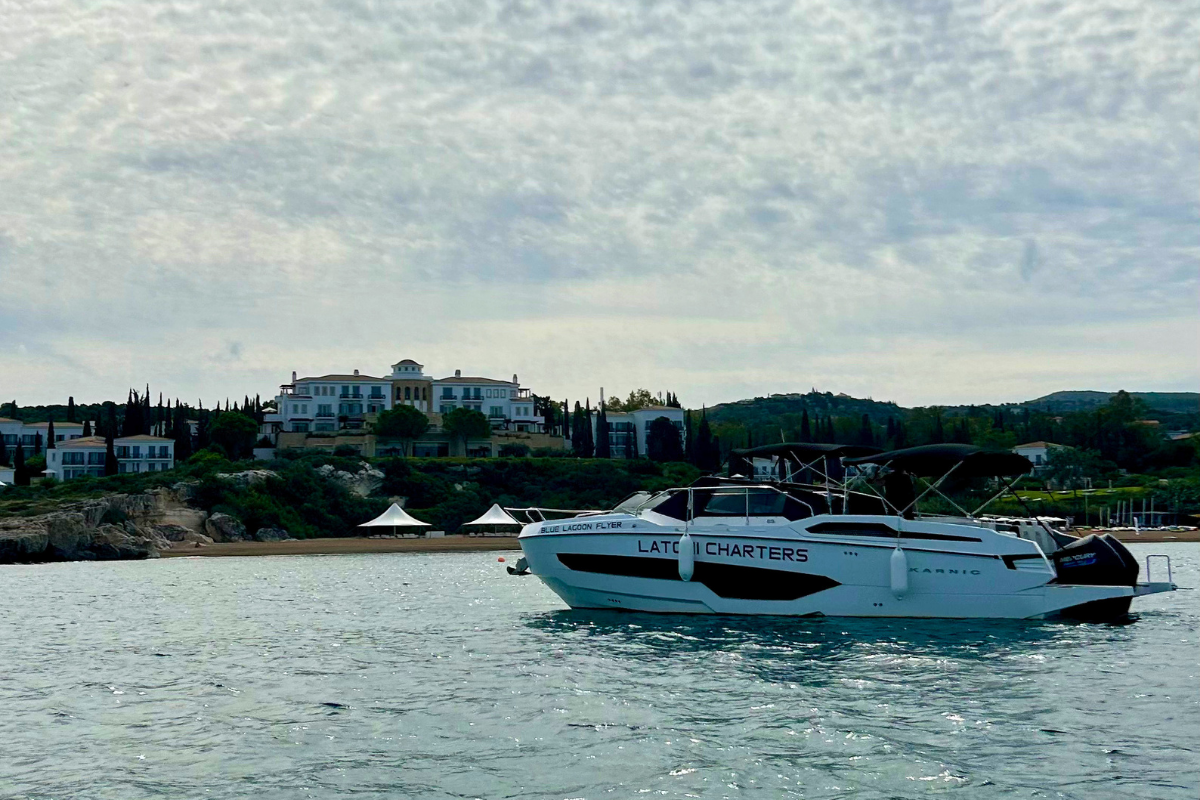
Cyprus is one of the best options for late-season Mediterranean warmth. Crete and Sicily can also offer pleasant autumn weather, although conditions are more variable.
Is September a good time for a Mediterranean holiday?
Yes. September is particularly appealing because sea temperatures often remain warm after summer while many popular destinations become noticeably quieter.
Are luxury holidays cheaper during shoulder season?
They can be. Some hotels offer more attractive rates and greater availability outside peak summer, although this depends on the destination, property and travel dates.
The best time to travel isn’t always when everyone else does
Perhaps the most interesting shift in European travel isn’t where we’re choosing to go, but when.
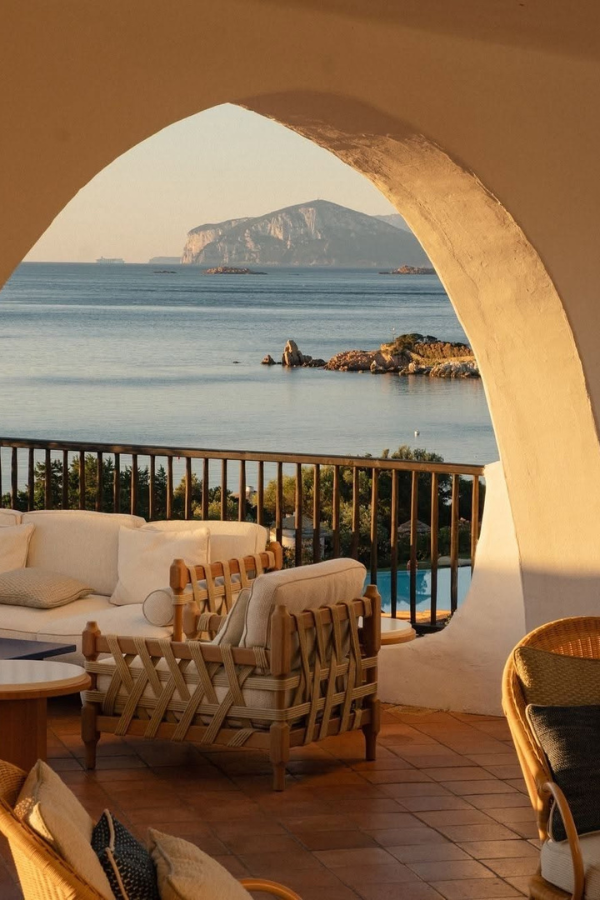
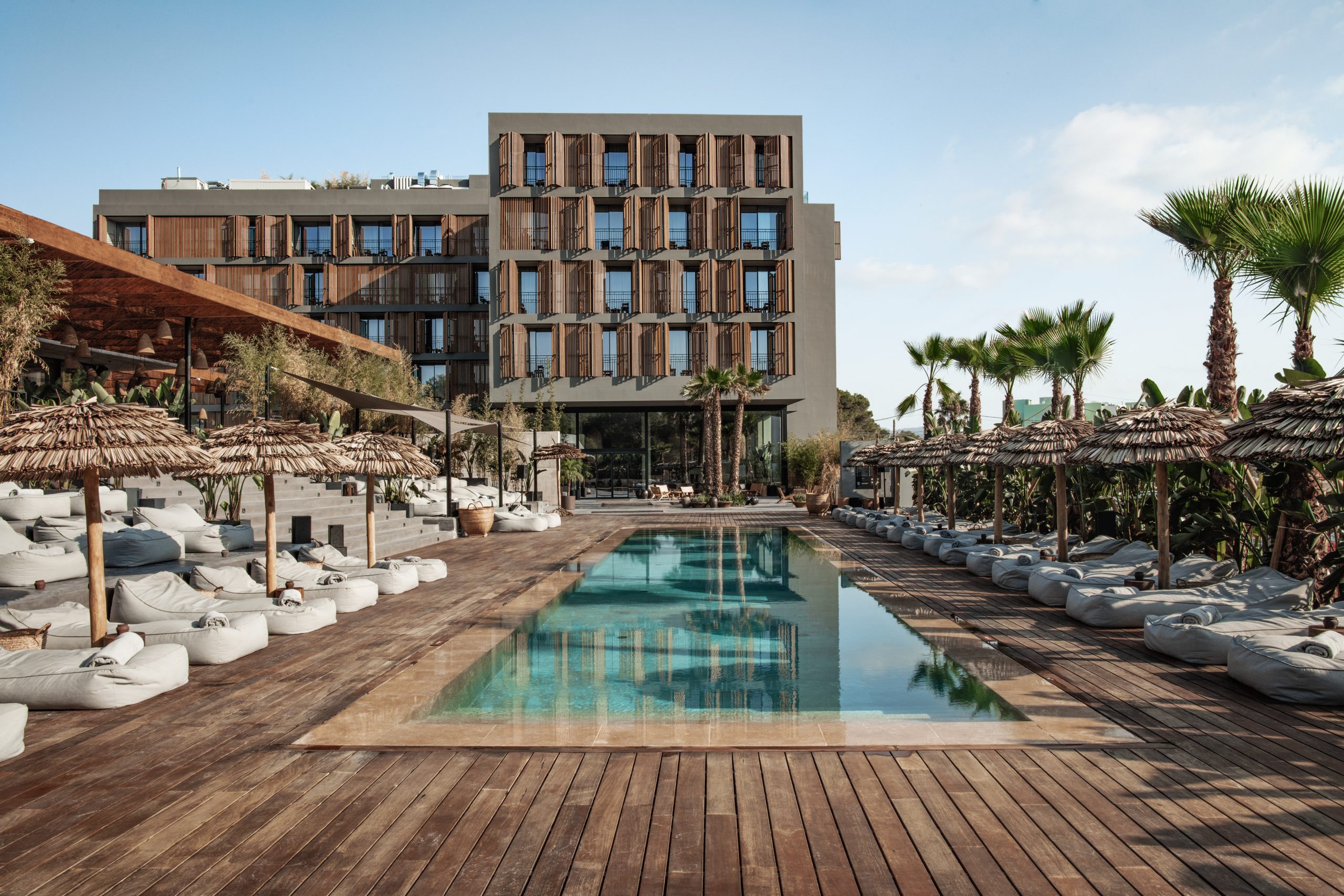
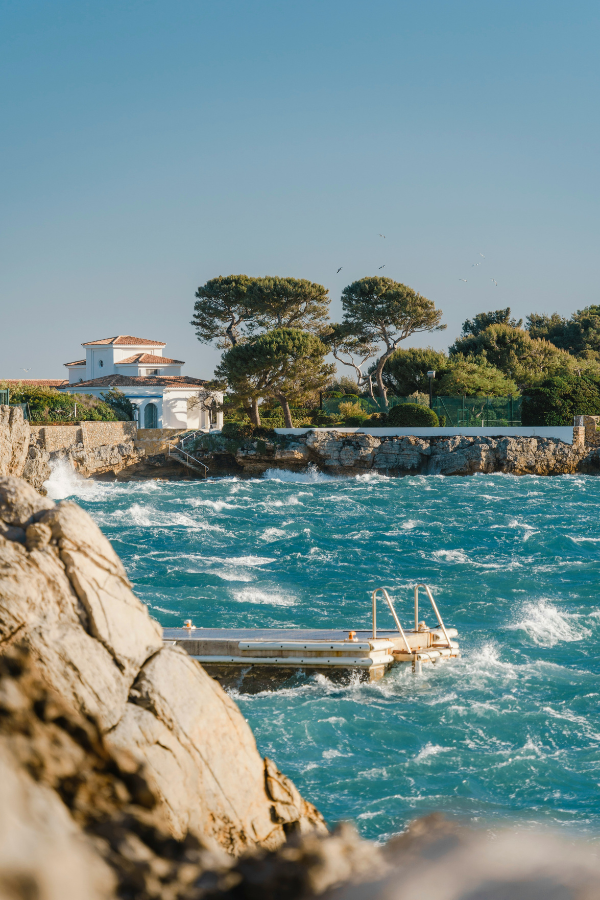
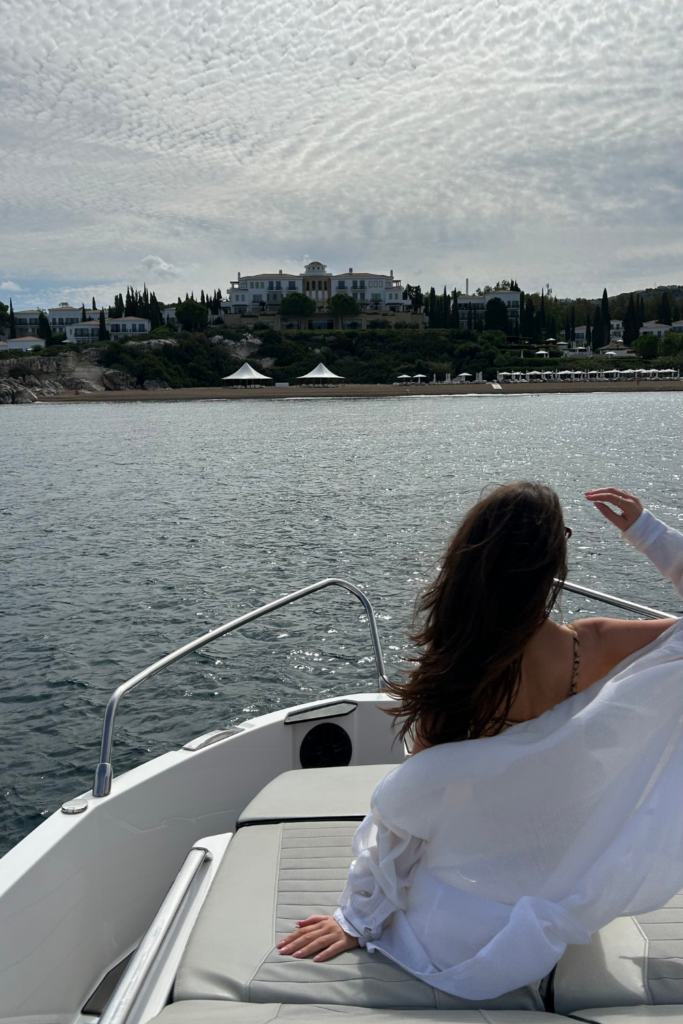
A quieter coastline, a beautiful hotel with more room to breathe or an afternoon exploring somewhere without the midsummer heat can transform an experience entirely.
Summer, it seems, no longer needs to begin in July or end in August.